Thermometer Shop | Buy Air Conditioner Thermometers Online in Australia
40 products
Showing 1 - 24 of 40 products
Accurate temperature readings are the backbone of good HVAC work. Whether you’re charging a split system, checking a cool room or verifying comfort conditions in an office, the right thermometer helps you make better decisions, save energy and keep clients comfortable.
Why thermometers matter in HVAC & refrigeration
In Australian homes and commercial buildings, air temperature and thermal comfort directly affect health, productivity and energy use. Government and WHS guidance emphasises maintaining indoor temperatures within comfortable ranges and using reliable measurements to manage conditions, rather than working off guesswork or “feel”.
For HVAC technicians and refrigeration mechanics, thermometers are used every day to:
- Measure supply and return air temperatures on split systems and ducted units.
- Confirm superheat and subcooling on refrigeration systems and heat pumps.
- Check discharge temperatures on compressors and motors.
- Log product and room temperatures in cold rooms, freezers and display cabinets.
- Verify comfort conditions in offices and other conditioned spaces.
Accurate measurement is also central to tuning HVAC systems efficiently, as highlighted in Australian energy-efficiency guidance for business HVAC systems.
Types of HVAC thermometers in this collection
This collection brings together a wide range of HVAC-ready thermometers from leading brands such as Testo, Fieldpiece, SUPCO, Mastercool and Uni-T, carefully selected for Australian conditions.
Pocket & probe thermometers
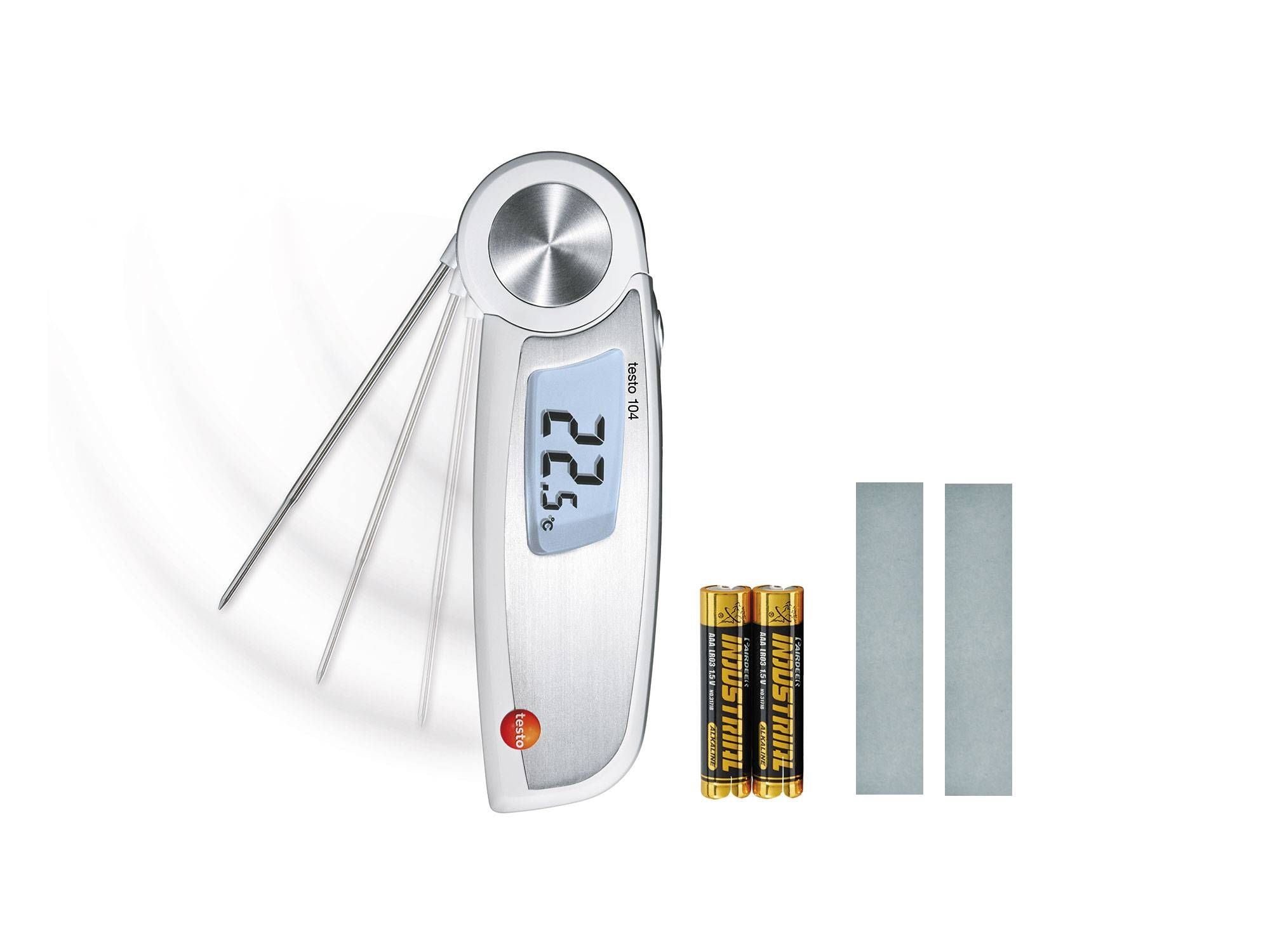
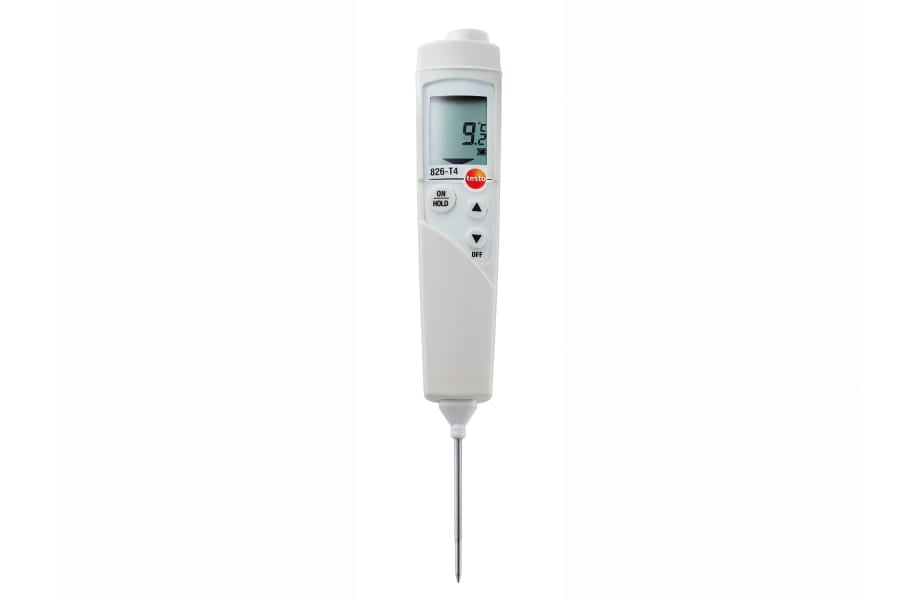
Pocket thermometers are ideal for quick air and surface checks on the go.
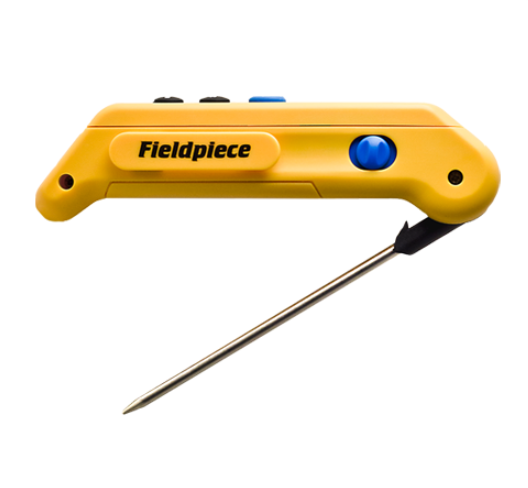
- SPK2 Pocket Temperature Thermometer with Probe – a folding Fieldpiece probe thermometer that slips into your pocket, perfect for grille temperatures and spot checks in tight spaces.
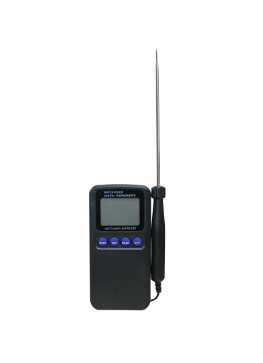
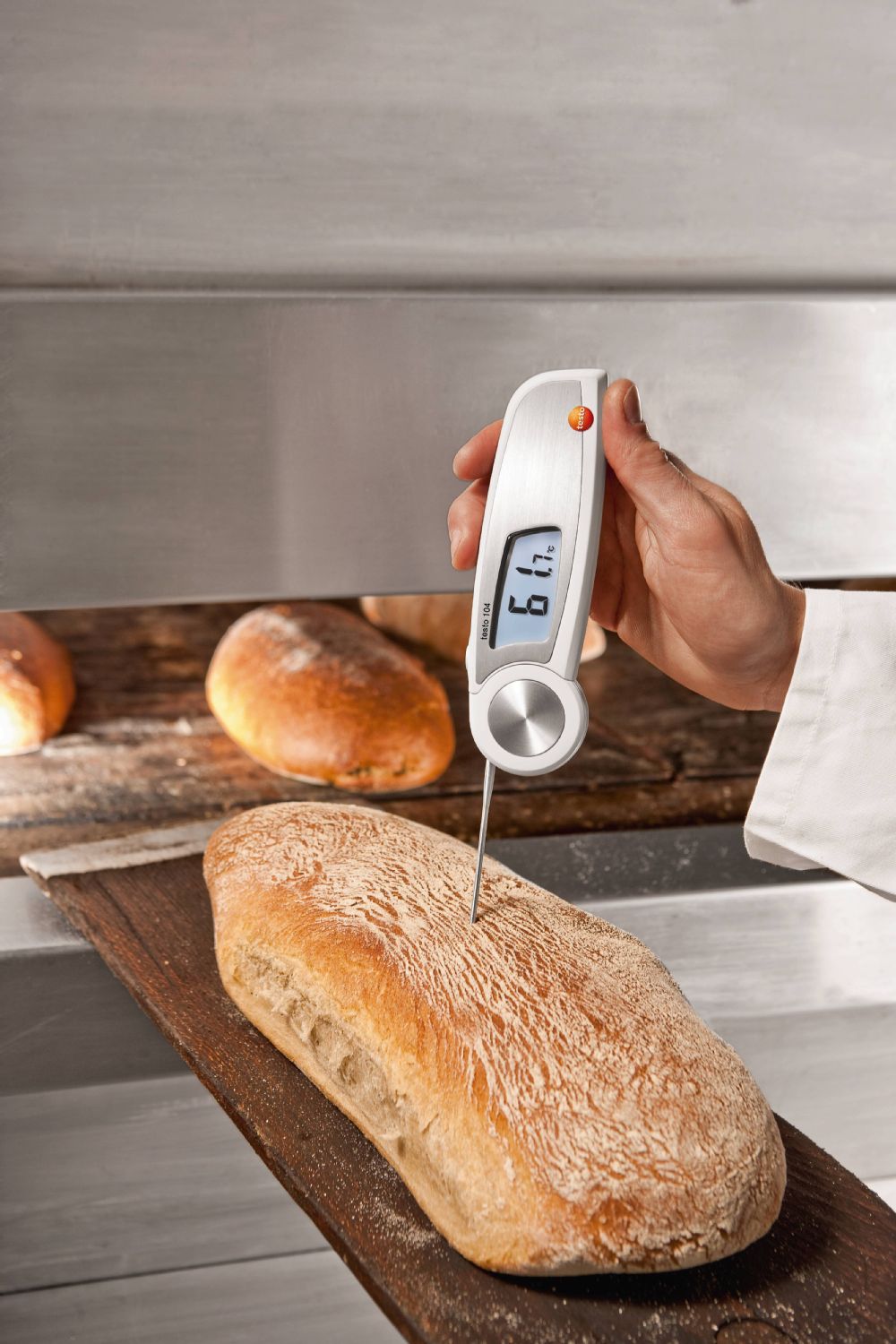
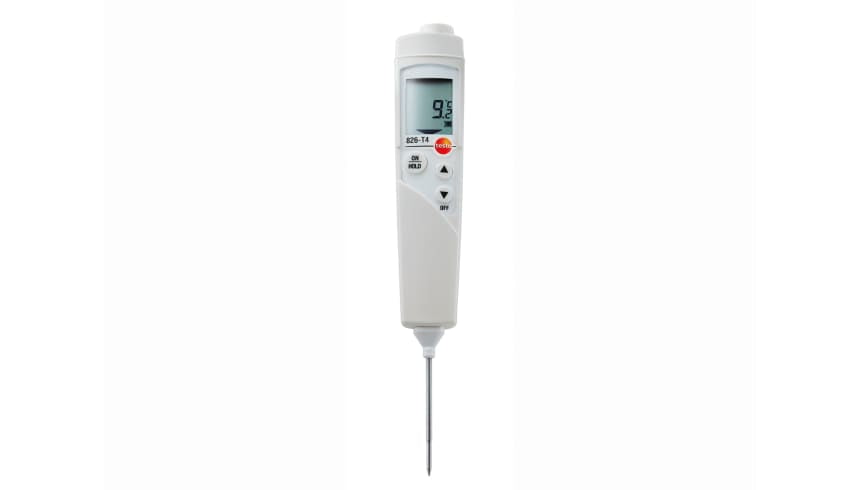
- Waterproof and food-safe style thermometers for situations where you need regular wash-down or exposure to condensation.
Clamp thermometers for pipe temperatures
Clamp thermometers attach directly to suction or liquid lines, giving a stable reading for superheat and subcooling calculations.
- Testo 115i Smart Clamp Thermometer – a wireless clamp thermometer that works with the Testo app, ideal for split-system commissioning and routine service.
- Superheat kits that combine thermometer clamps with service tools for fast, repeatable charging and fault finding.
Infrared thermometers (non-contact)
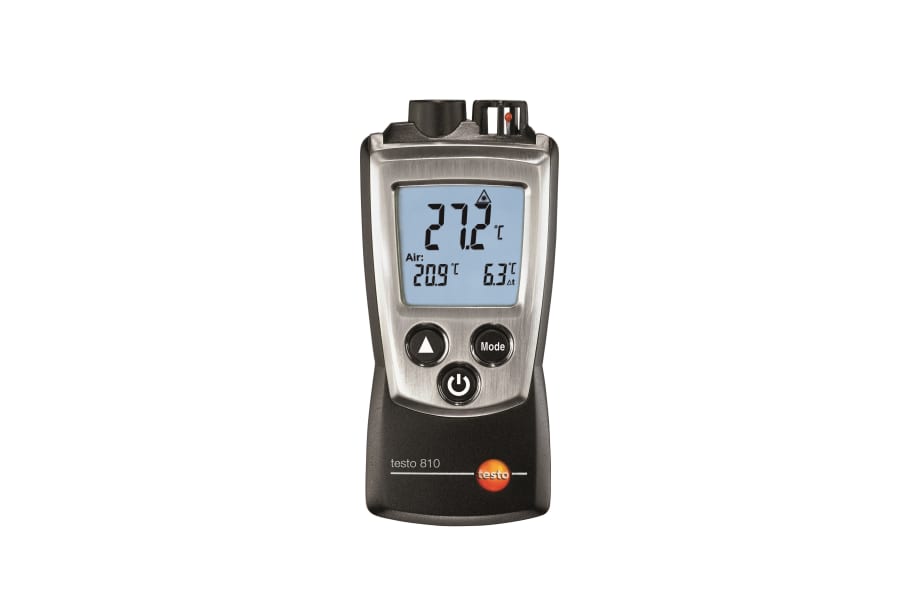
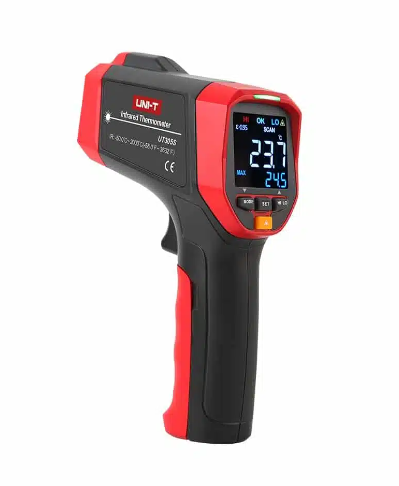
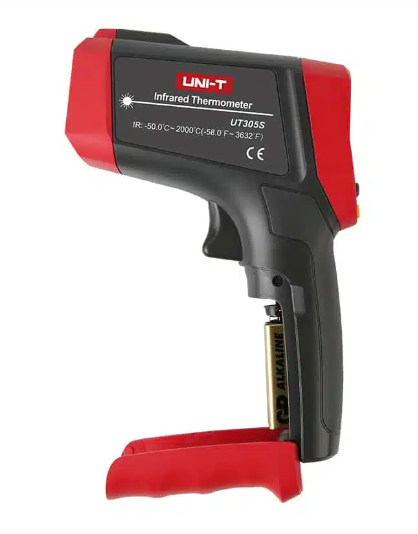
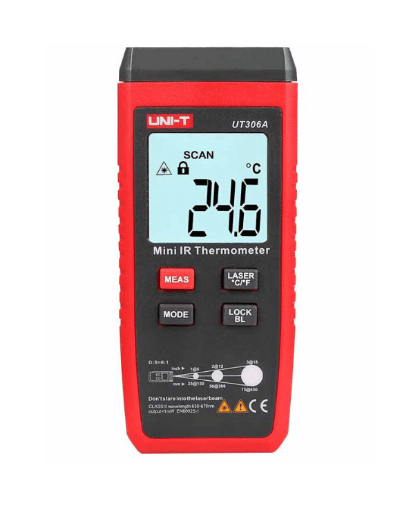
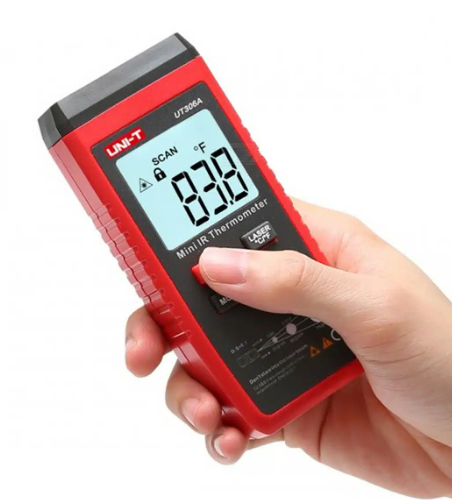
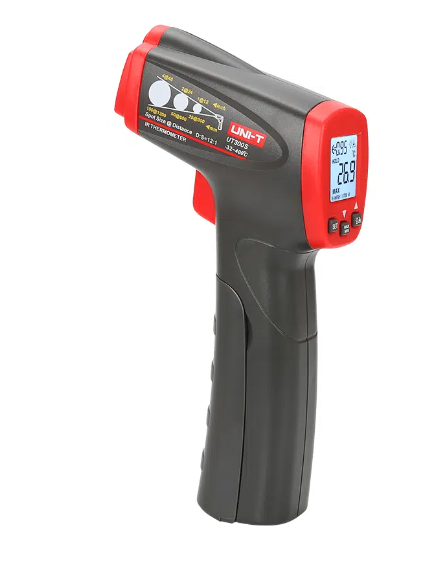
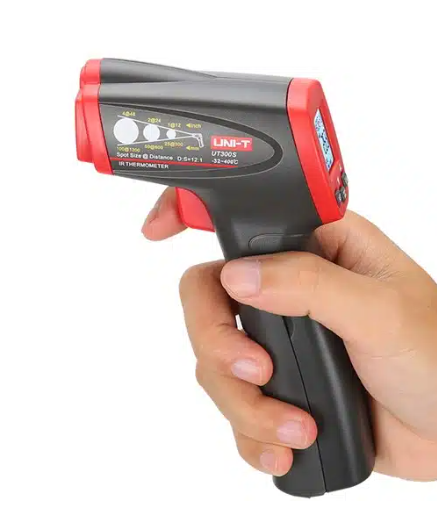
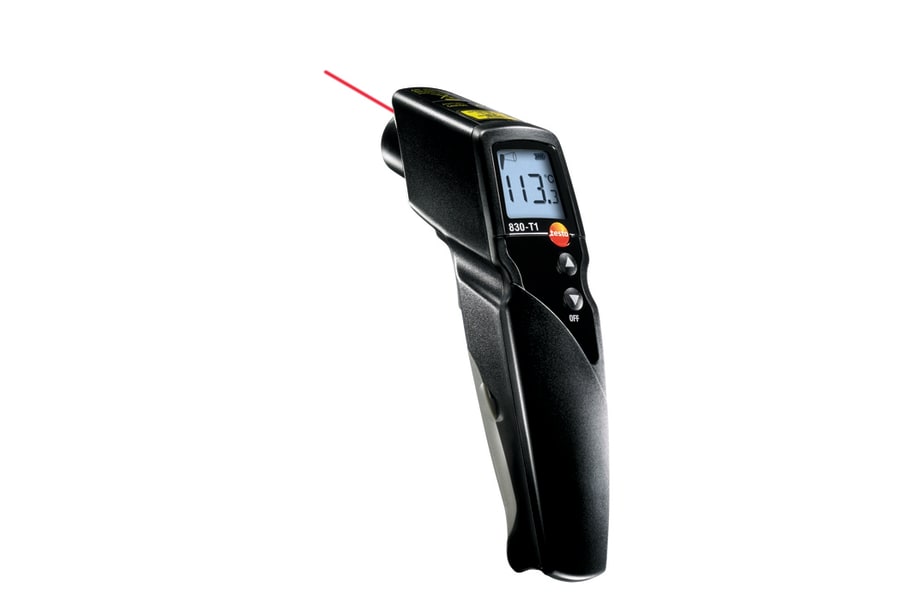
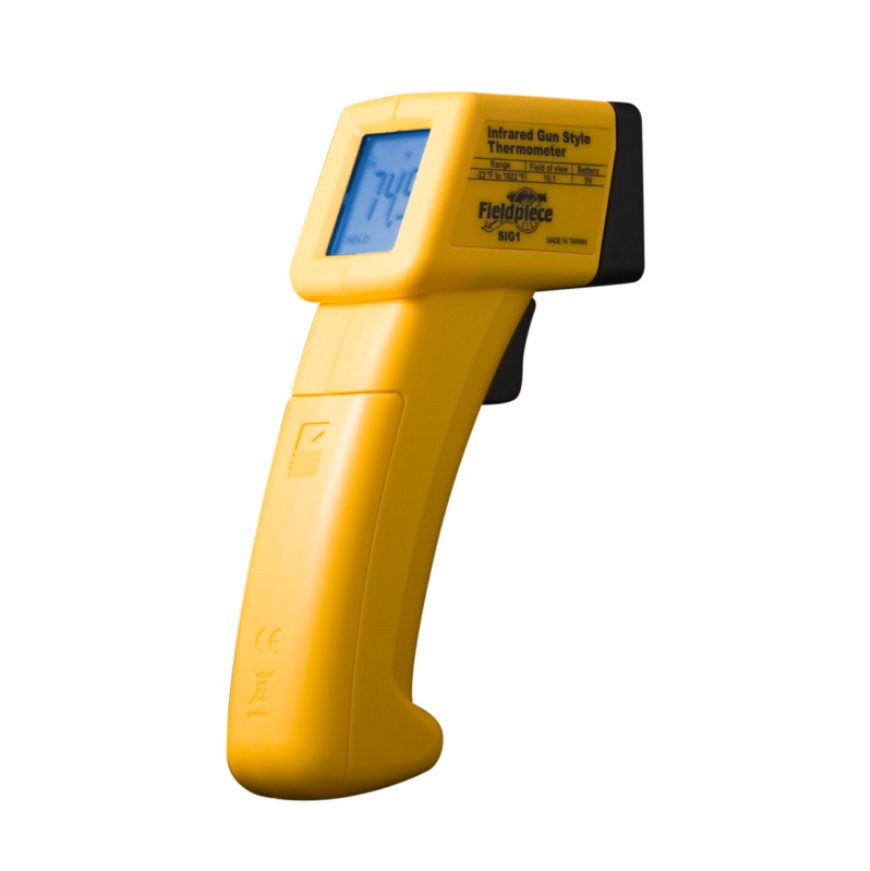
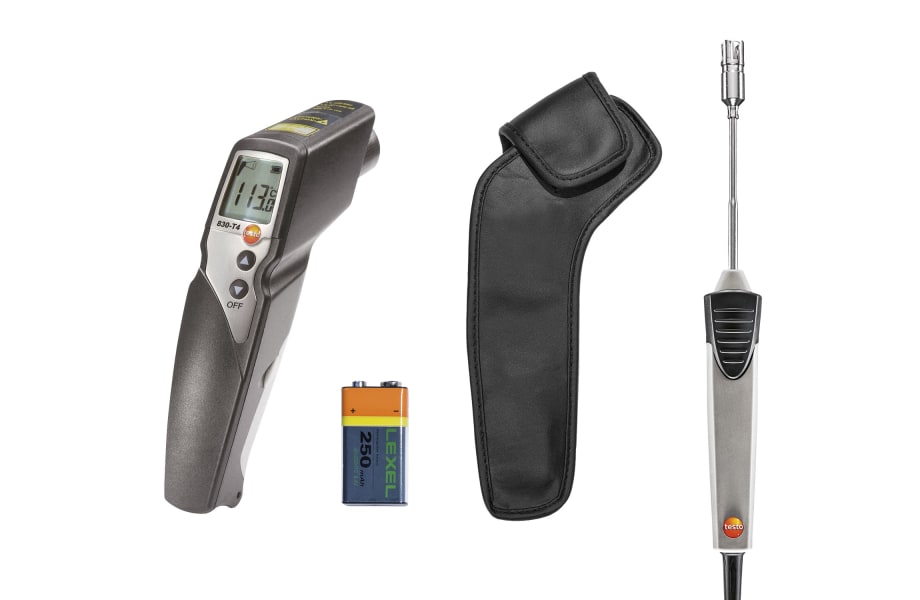
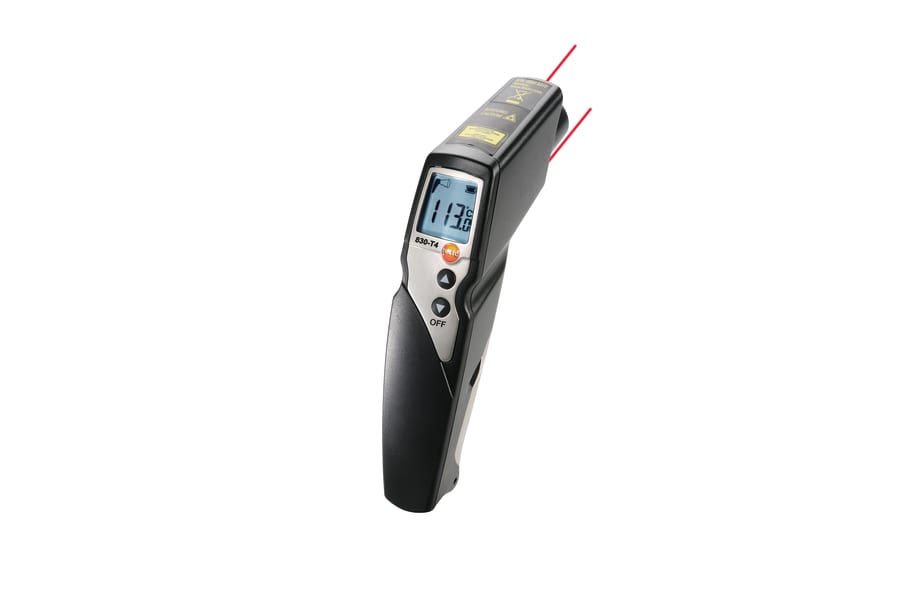
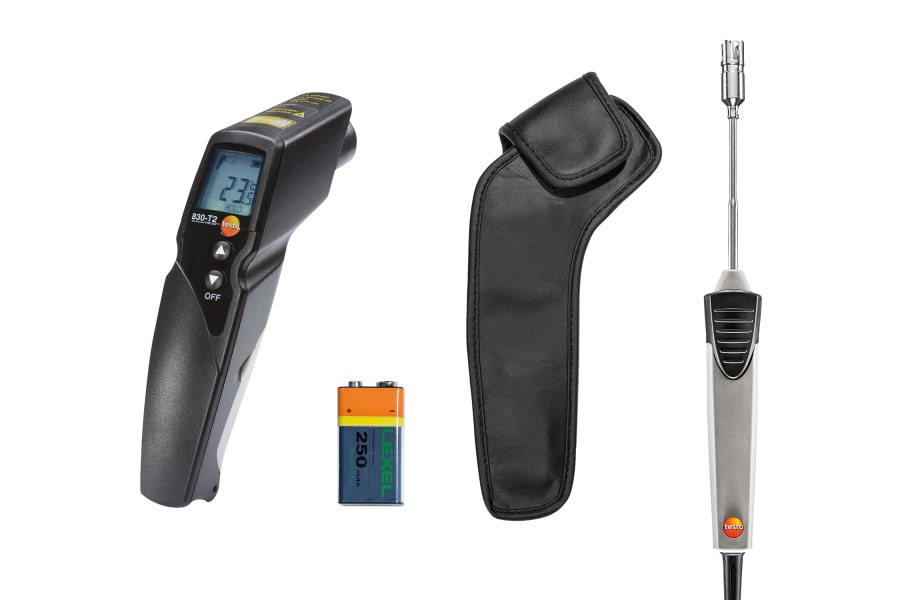
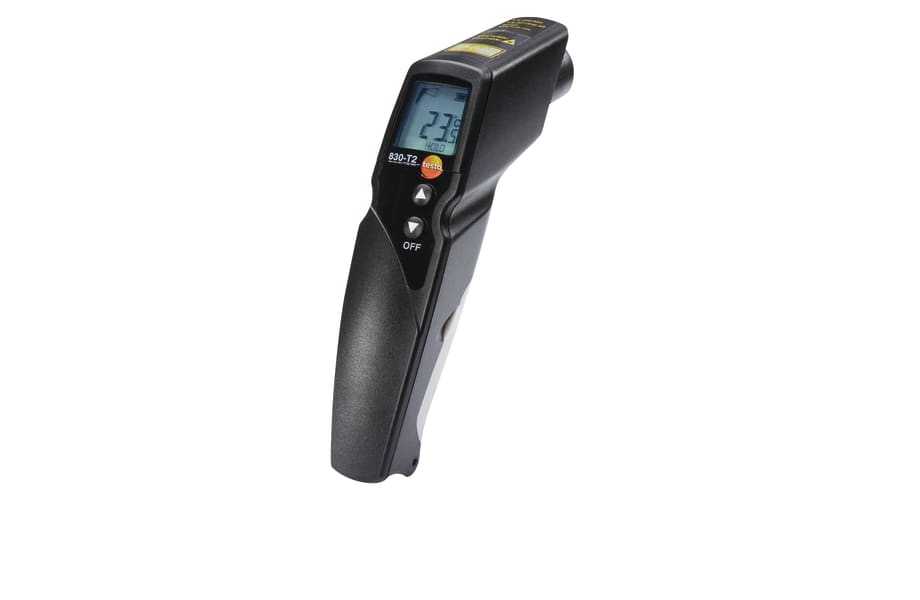
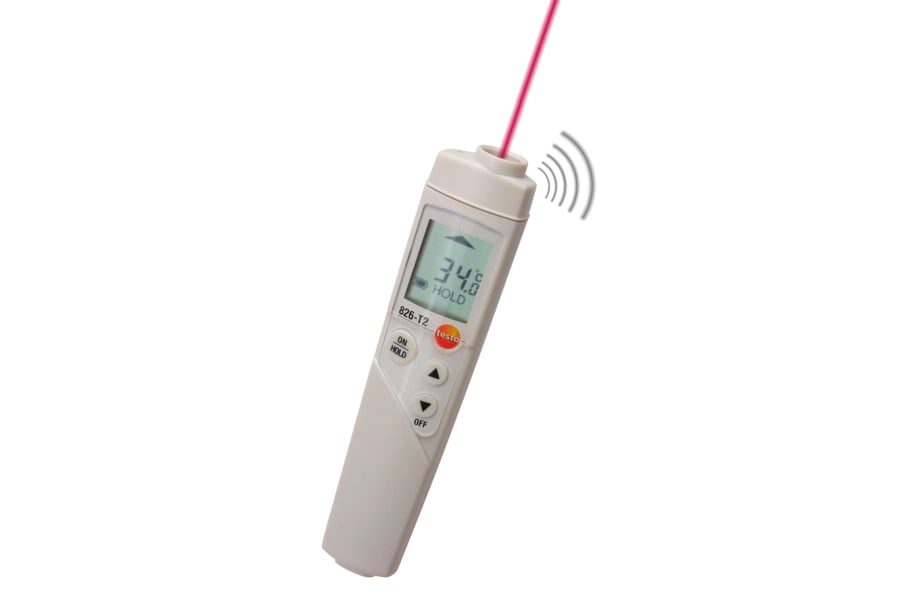
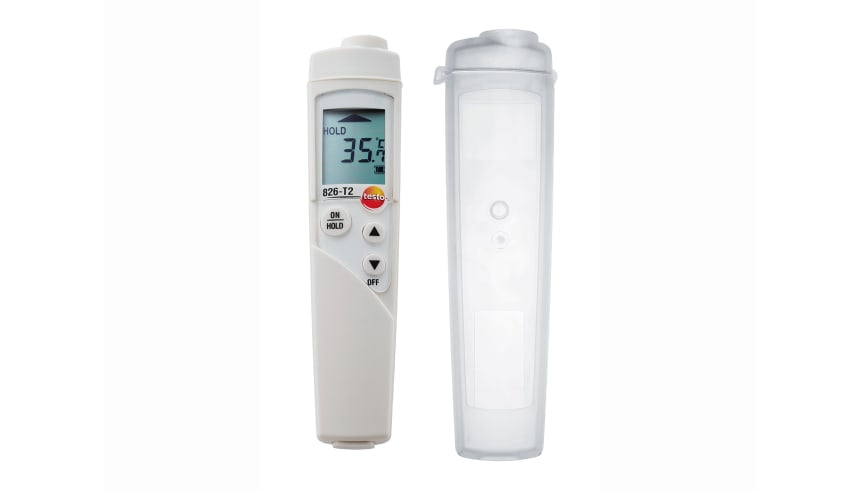
Infrared thermometers (IR temp guns) are perfect when you need quick, non-contact readings from a distance, such as on hot compressor heads, ductwork, ceiling registers or hard-to-reach surfaces.
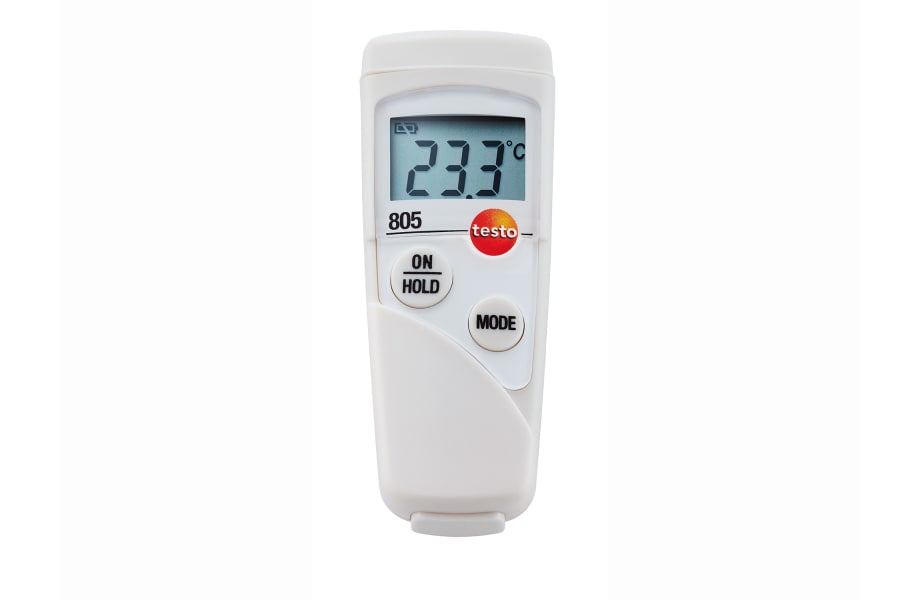
- Compact IR thermometers for quick checks on supply grilles and diffusers.
- Professional dual-laser IR thermometers with extended ranges for plant rooms and industrial equipment.
Dual & differential thermometers
For more advanced diagnostics, dual-input and differential thermometers let you compare two points at once and see the temperature difference directly on screen.
- EM90 Dual Thermometer (Infrared & Thermocouple) – combines infrared and K-type thermocouple inputs for flexible HVAC and refrigeration checks.
- Differential thermometers that show ΔT across coils, across a heat exchanger or between indoor and outdoor air.
How to choose the right thermometer for your jobs
Not sure which thermometer is best? Start with how you actually work on site:
- Air temperature checks: Pocket probe thermometers and clamp thermometers are ideal for supply/return readings and superheat checks.
- Surface and electrical: Infrared thermometers let you scan motor housings, switchboards and ductwork from a safe distance.
- Detailed diagnostics: Dual or differential models make it easy to log ΔT across coils, heat exchangers and duct runs.
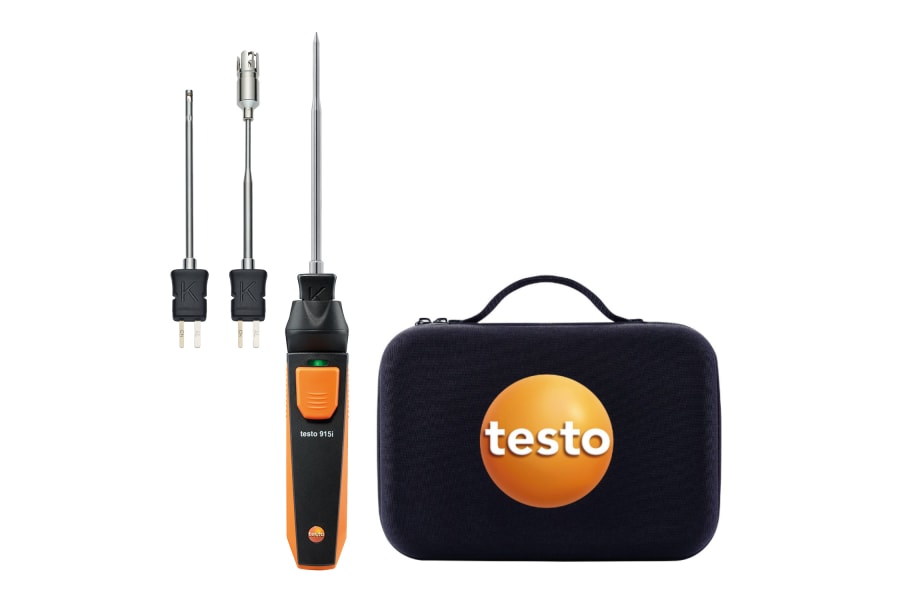
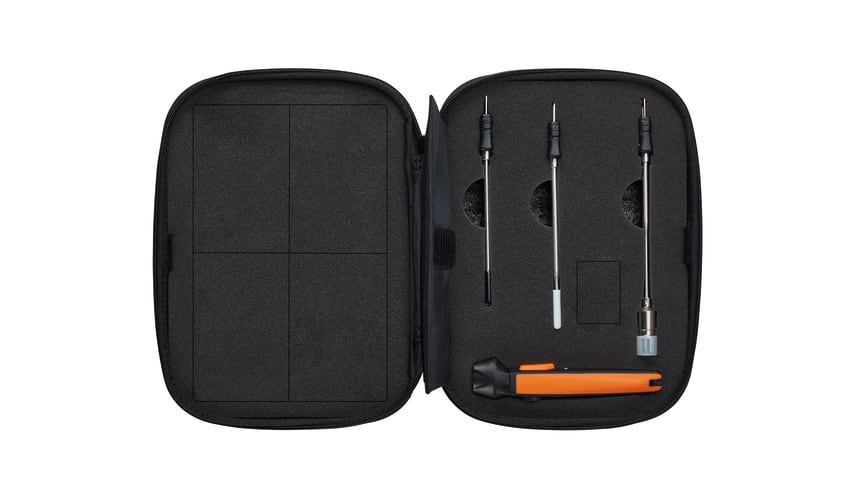
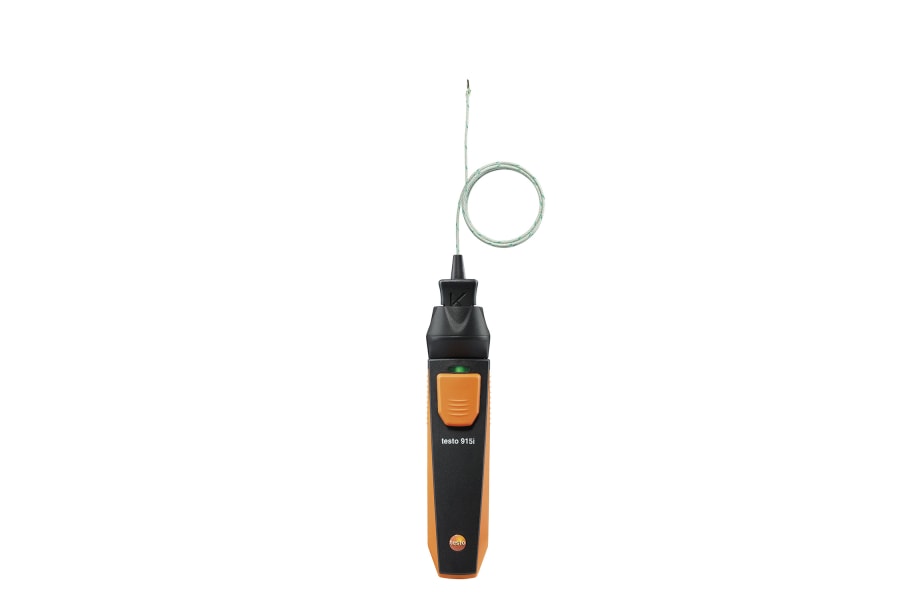
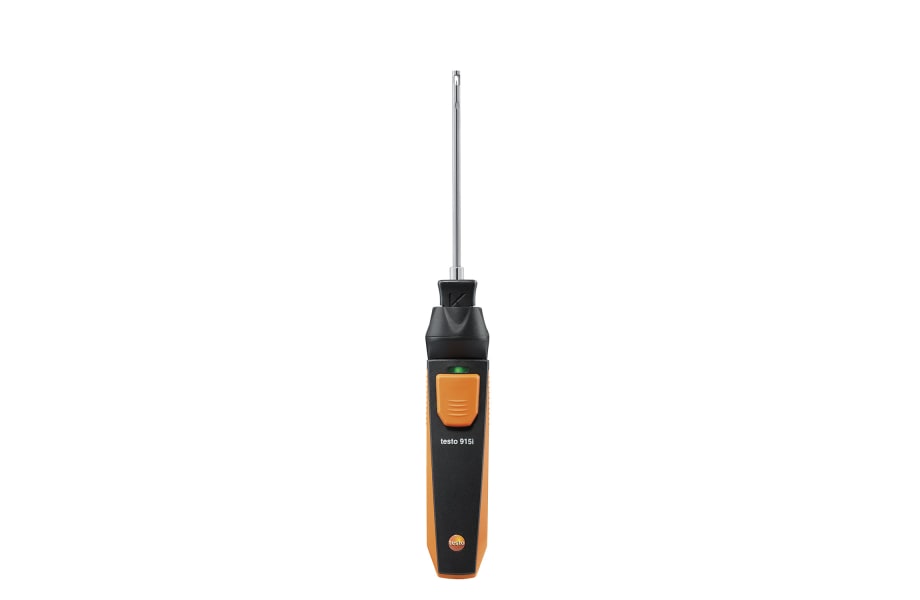
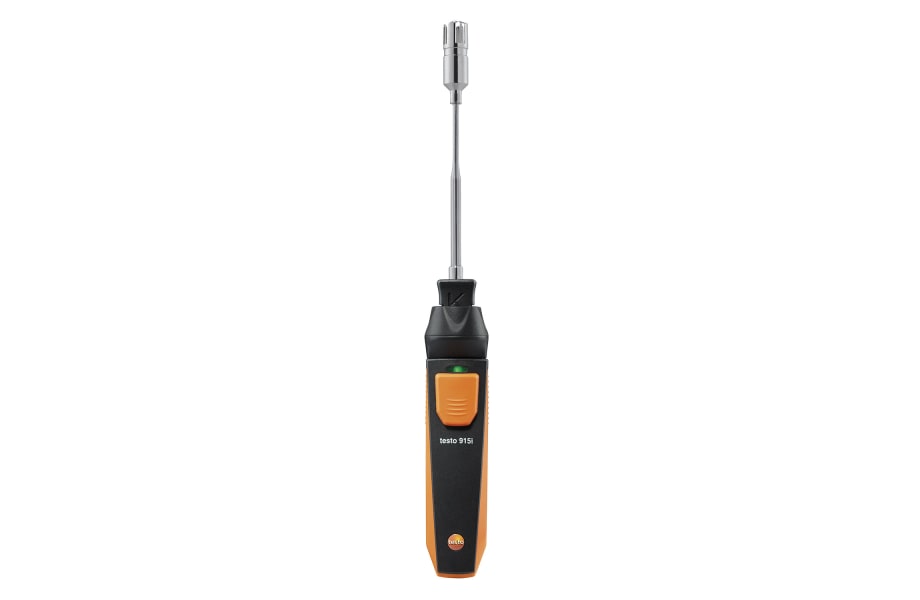
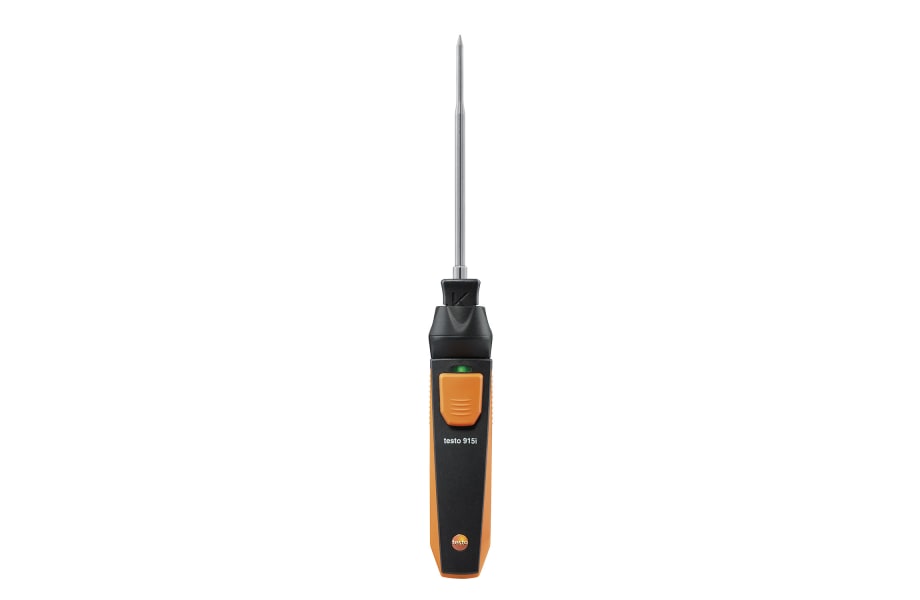
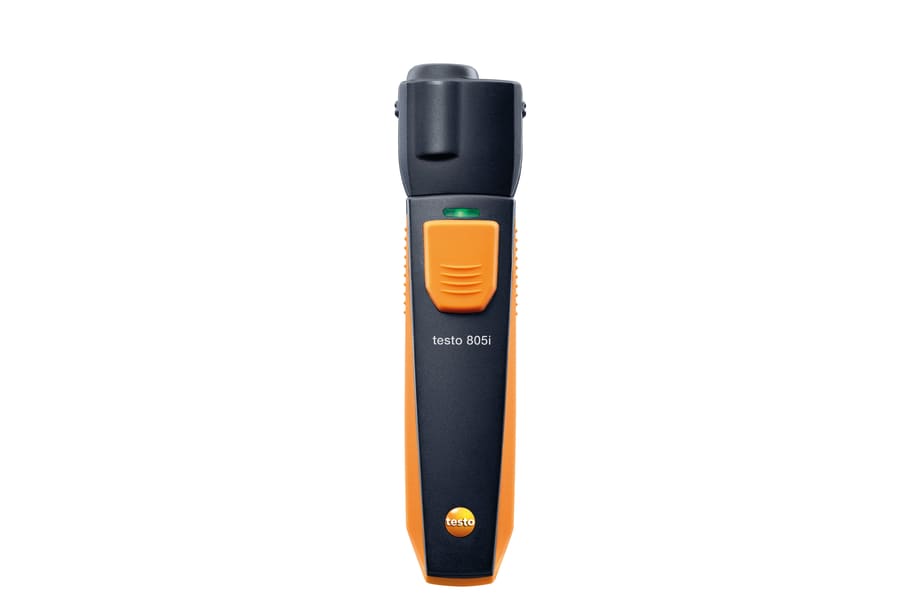
- Smart & report-driven workflows: For tradies who like app-based reporting, look at Bluetooth smart tools such as Testo wireless thermometers that log and graph your readings on the job.
If you want to build a complete kit, pair your thermometer with:
- digital multimeters for electrical tests,
- refrigerant gauges for pressure readings,
- and a thermal imaging camera for visualising temperature patterns on switchboards and building envelopes.
Measurement accuracy, standards & good practice
In Australia, temperature measurement standards are overseen by the National Measurement Institute, which maintains national temperature and humidity standards and provides calibration services. This ensures that calibrated instruments can be traced back to recognised references.
For day-to-day HVAC work:
- Pick instruments with clear specifications for accuracy and resolution, usually at least 0.1 °C.
- Follow manufacturer instructions for warm-up times, probe placement and emissivity (for infrared readings).
- Protect sensors from physical damage and contamination, especially when working in dusty plant rooms or greasy kitchens.
- Consider periodic calibration or replacement for instruments used on critical systems or formal reports.
For guidance on indoor comfort and workplace temperatures, always check current advice from your local WHS regulator and relevant Australian standards or rating schemes.
Related HVAC test & measurement collections
Thermometers sit within our broader Test & Measurements range . You may also want to browse:
- Bluetooth smart tools – app-connected thermometers, hygrometers and anemometers.
- hygrometers – for humidity and comfort checks alongside temperature.
- inspection cameras – to see inside ducts, ceilings and plant enclosures.
FAQs: HVAC thermometers for Australian tradies
Which thermometer is best for air conditioner commissioning?
For split systems and ducted AC, a clamp thermometer like the Testo 115i on the suction line makes superheat and system checks much easier. Pair it with a pocket probe thermometer (for supply/return air) and you can capture the full picture quickly. Infrared thermometers are great for fast surface scans but shouldn’t be your only tool for charging decisions.
What’s the difference between contact and infrared thermometers?
Contact thermometers (probe, clamp or immersion types) physically touch what you are measuring and generally give more stable, precise readings. Infrared thermometers measure surface temperature from a distance using emitted infrared radiation. They are brilliant for hot, moving or live parts, but you need to understand distance-to-spot ratio and emissivity to avoid errors.
How accurate does my thermometer need to be?
For typical HVAC service and commissioning, 0.1 °C resolution and around ±1 °C accuracy is usually sufficient. For cold chain, laboratory or critical rooms you may need tighter tolerances, plus formal calibration. Check the product specification sheet and align it with your client’s requirements or any applicable standard.
Can I use a food or medical thermometer on HVAC jobs?
It’s better not to. Food and medical thermometers are built for those applications and, in the case of medical devices, are regulated by the Therapeutic Goods Administration (TGA). For HVAC and refrigeration jobs, choose robust industrial thermometers designed for pipes, ducts and plant temperatures, with appropriate ranges, probes and safety ratings.
Do my thermometers need regular calibration?
If you rely on your readings for commissioning reports, guarantees or compliance, regular verification or calibration is good practice. In Australia, calibration services traceable to national standards are managed by the National Measurement Institute. For everyday service tools, at least compare suspect instruments against a known-good reference and replace ones that drift.
Author: HVAC Shop Content Team – HVAC Content Specialist
Reviewed by: Licensed Refrigeration & Air Conditioning Technician ARCtick
Business: HVAC Shop – ABN 98 351 143 900
- energy.gov.au – HVAC efficiency and control guidance
- SafeWork NSW – maintaining thermal comfort in indoor work environments
- National Measurement Institute – temperature and humidity measurement services
- Bureau of Meteorology – guidance on air temperature measurement
- CHOICE – independent product reviews and buying advice
Last updated: 2025-12-03 (AEST)