Vacuum Pump Oil | HVAC & Refrigeration Vacuum Oils
5 products
Showing 1 - 5 of 5 products
Vacuum Pump Oil for HVAC & Refrigeration – Clean, Dry Evacuations
Good vacuum pump oil is the quiet hero of every deep evacuation. It lubricates the pump and captures moisture and contaminants from the system you are evacuating, helping you reach a stable low micron level and protect the pump from damage. At HVAC Shop, you’ll find high-grade mineral vacuum pump oils from Javac and Fieldpiece, matched to the HVAC and refrigeration vacuum pumps commonly used across Australia.
What Does Vacuum Pump Oil Actually Do?
In an oil-sealed rotary vane or piston pump, vacuum pump oil:
- Lubricates moving parts such as bearings, vanes and seals to reduce wear.
- Helps create the vacuum seal so the pump can move gas efficiently from inlet to exhaust.
- Absorbs moisture and contaminants from the system and holds them in suspension.
- Supports deep vacuum because quality oil has very low vapour pressure and resists boiling off under vacuum.
Cheap or contaminated oil compromises all of these functions and leads to longer pull-down times, higher micron levels, more call-backs and a shorter pump life.
Types & Grades of Vacuum Pump Oil in This Collection
Most HVAC and refrigeration vacuum pumps use refined mineral vacuum oils with specific viscosities (commonly around ISO 32, 46 or 100) and very low vapour pressure. In this collection you will typically find:
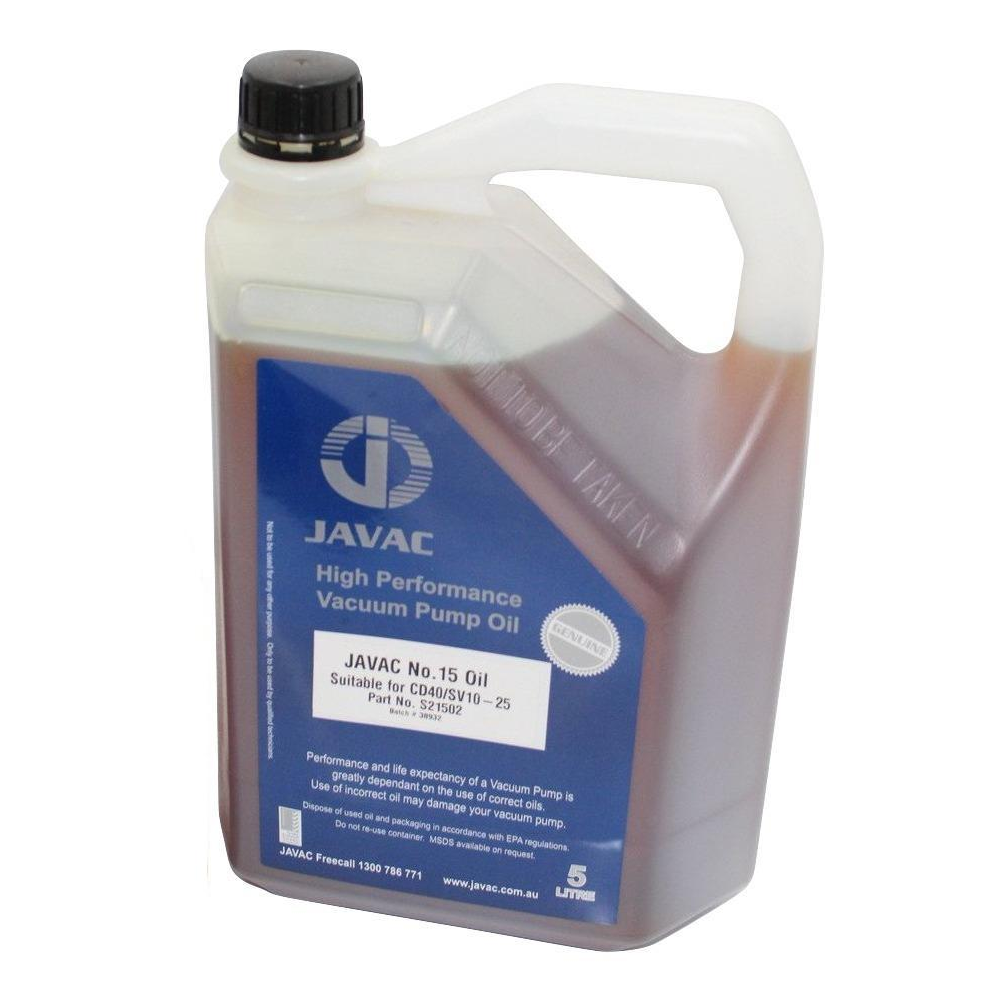
- Javac N15 vacuum pump oil – high-quality mineral oil for specific CD40/SV10–25 style pumps, approximately ISO 46 grade.
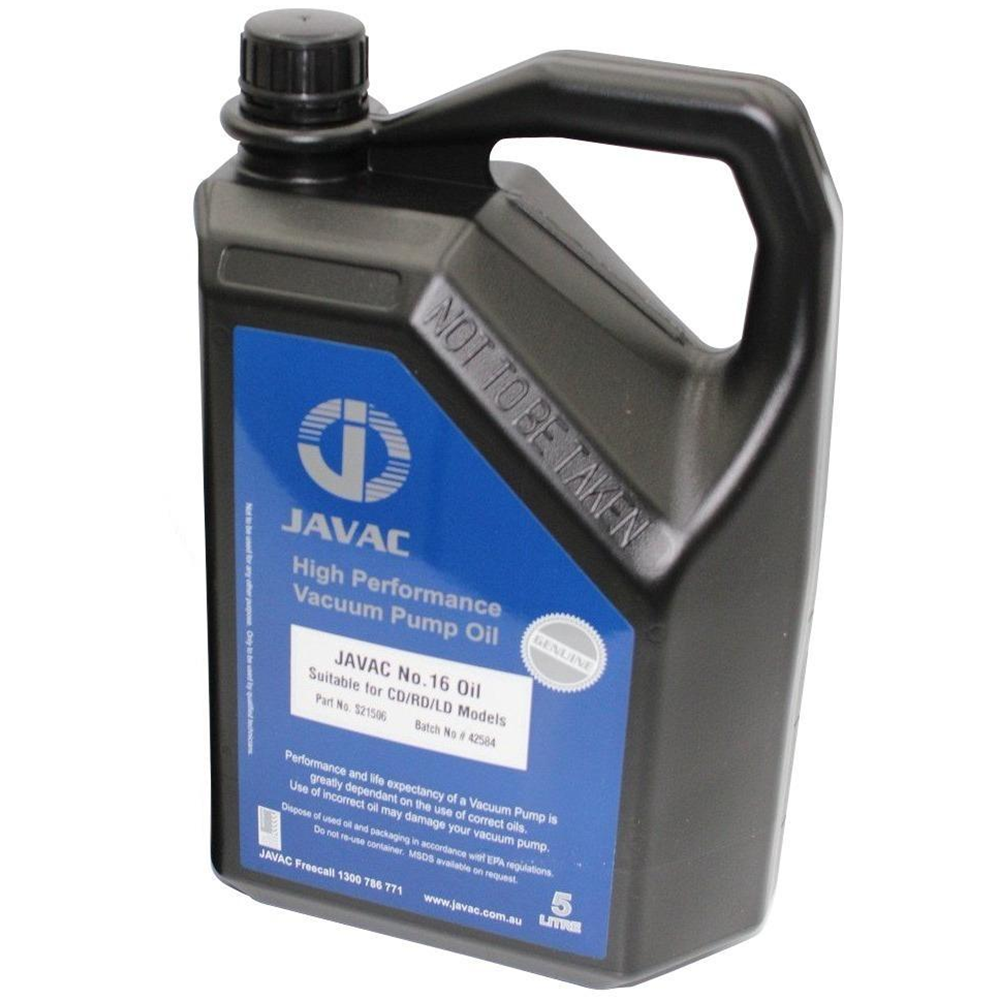
- Javac N16 vacuum pump oil – higher viscosity mineral oil (approximately ISO 100) for selected Javac CD/RD/LD models and general-purpose work.
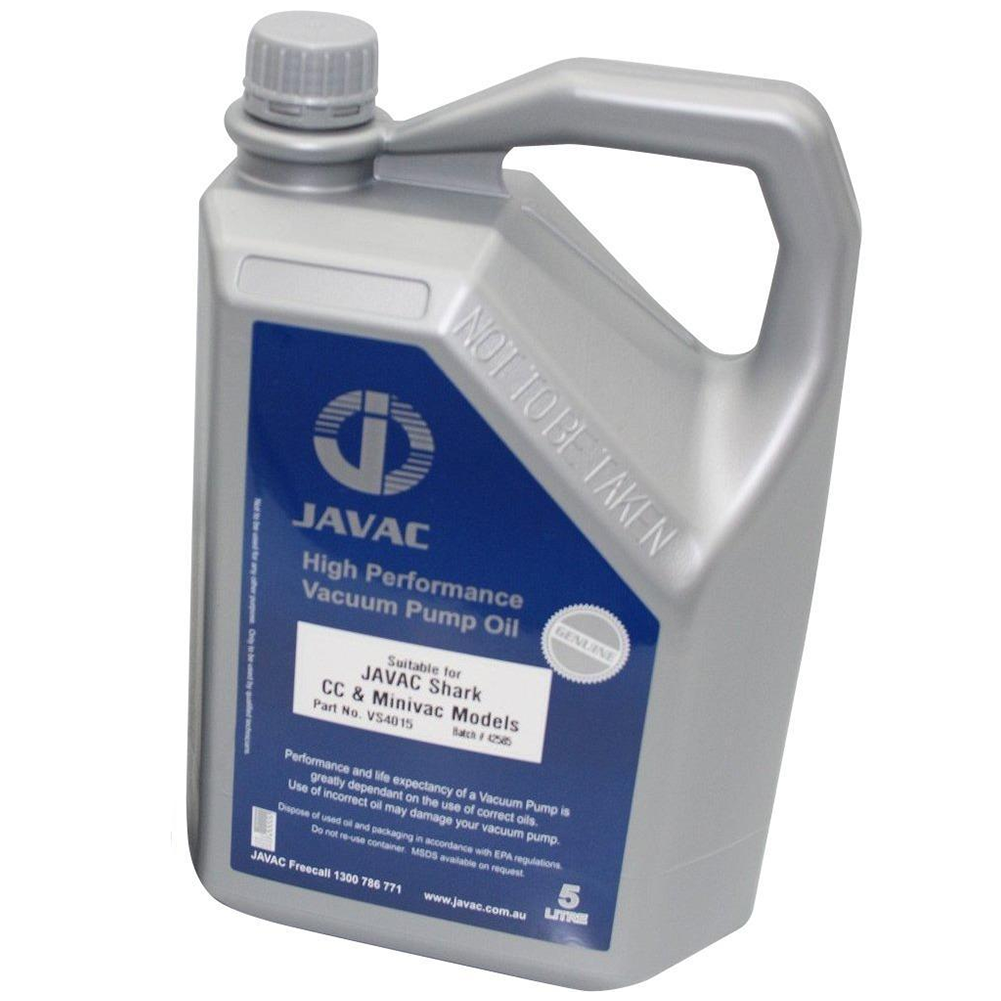
- Javac Shark vacuum pump oil – mineral oil around ISO 32 grade for Javac Shark CC and Minivac vacuum pumps.
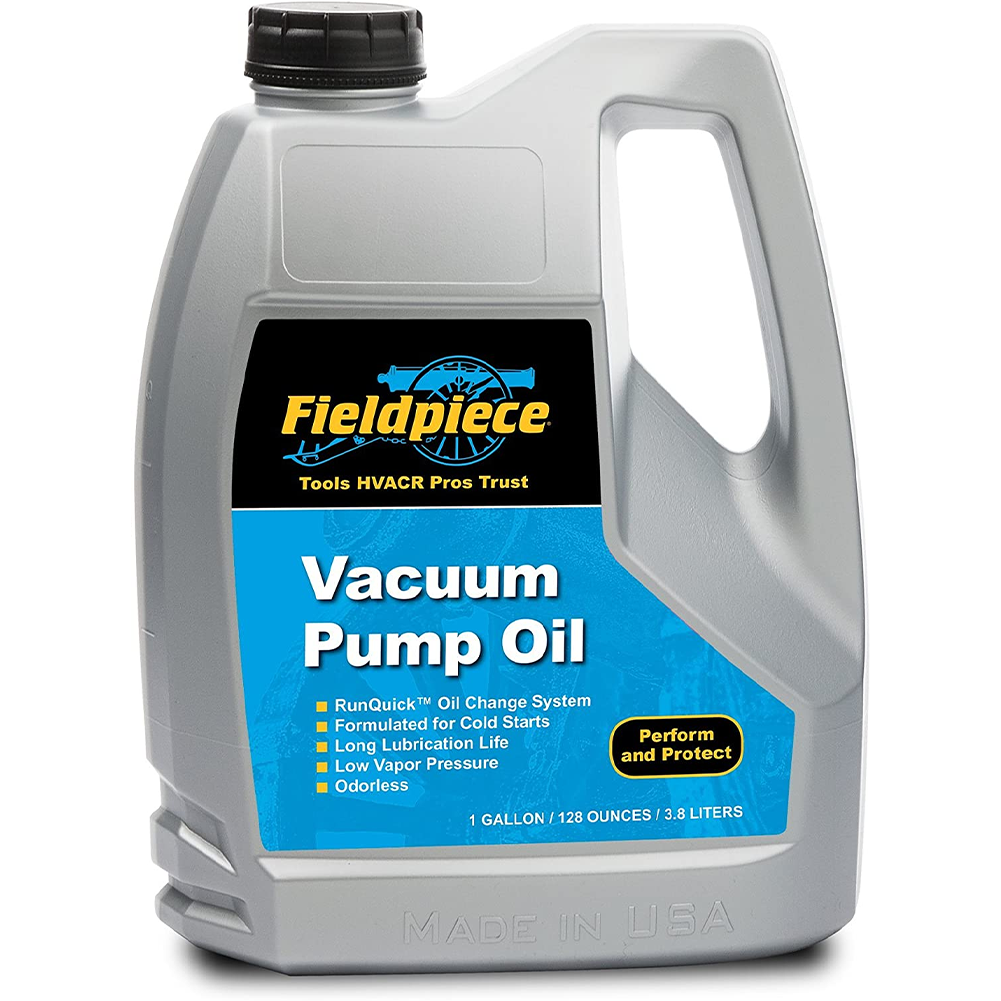
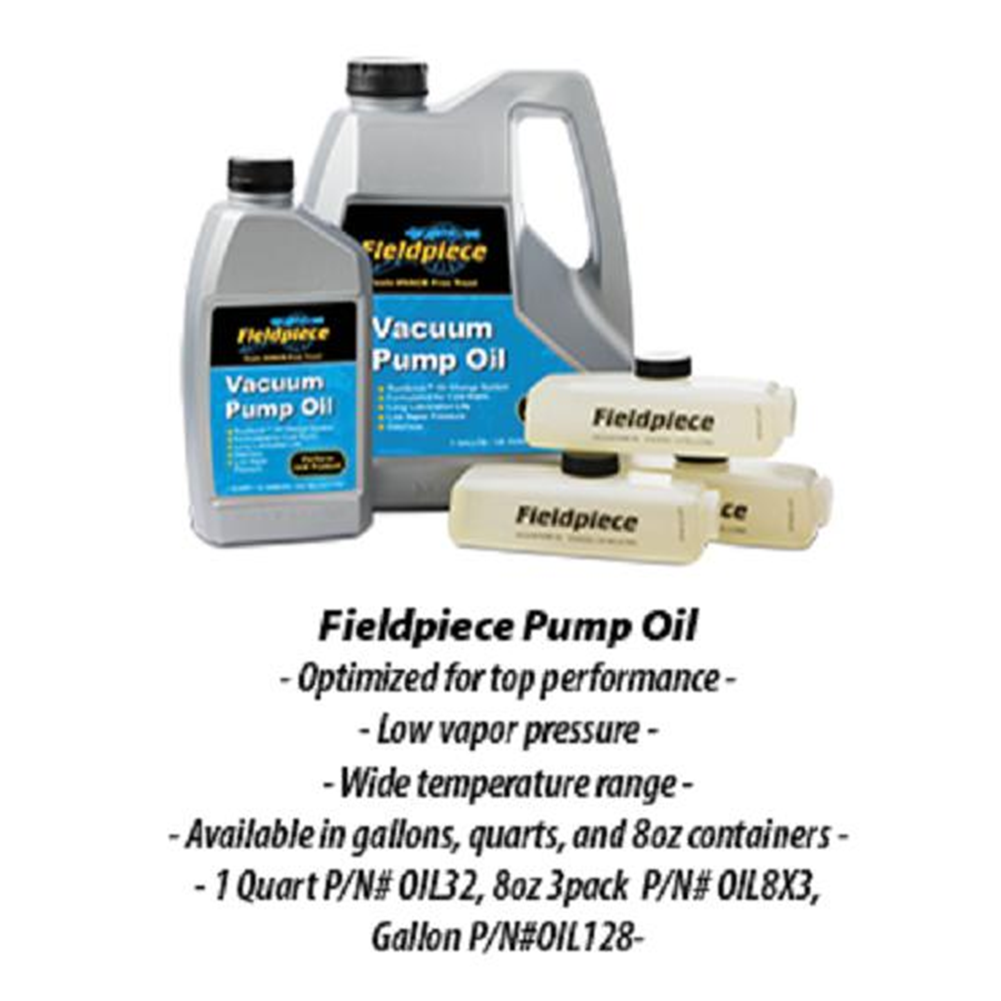
- Fieldpiece high-grade vacuum pump oil – premium oil formulated for refrigeration and air conditioning use, with low vapour pressure, long lubrication life, odourless formula and good cold-start performance.
Always match the oil type and grade to the pump manufacturer’s instructions, and avoid mixing synthetic and mineral oils or blending different viscosities in the same pump.
When Should You Change Vacuum Pump Oil?
Regular oil changes are one of the best ways to maintain vacuum pump performance and extend pump life. Oil absorbs moisture and contaminants from the system; once saturated it can no longer do its job properly. Contaminated oil often turns grey or milky, becomes sludge and loses its lubricating ability.
As a practical guide:
- Follow the vacuum pump manufacturer’s manual for recommended change intervals – many suggest changing oil after major evacuations or at regular service intervals.
- Change the oil immediately if it looks milky, smells burnt or if the pump struggles to reach its normal vacuum level.
- Always refill with fresh, correct-grade oil and dispose of used oil via an approved waste facility.
For a deeper explanation of why oil quality matters, read our guide: Understanding the Importance of Vacuum Pump Oil .
How to Choose the Right Vacuum Pump Oil from HVAC Shop
A simple way to choose is to start with your pump brand and model:
- Javac pumps: match N15, N16 or Shark oil to the specific CD, RD, LD or Shark/Minivac model on the pump nameplate.
- Fieldpiece VP pumps: use Fieldpiece vacuum pump oil, designed for deep evacuations and compatible with their quick oil-change systems.
Then consider how you use the pump:
- Everyday split-system service and light commercial work: mid-grade oils such as Javac N15 or Fieldpiece oil suit most rotary vane pumps.
- Larger systems and high ambient temperature work: higher viscosity oils such as N16 may be recommended, depending on the pump manufacturer.
If you are unsure, cross-check your pump in our Refrigerant Vacuum Pump collection, then match the recommended oil from this page.
Pair Your Vacuum Pump Oil with the Right Tools
Vacuum pump oil is part of a complete evacuation setup. For best results, pair it with:
- A correctly sized refrigerant vacuum pump suited to your system and refrigerant class.
- A digital micron gauge mounted on the system, not at the pump, to verify deep vacuum.
- Large-bore hoses and core-removal tools to speed up evacuation and improve moisture removal.
- Recovery units for compliant refrigerant recovery before you pull a vacuum.
Why Buy Vacuum Pump Oil from HVAC Shop?
- HVAC-specific range – oils chosen for air conditioning and refrigeration vacuum pumps, not generic lubricants.
- Trusted brands – Javac and Fieldpiece are widely used in the Australian trade with strong local support.
- Fast Australian shipping – local stock and reliable carriers help keep your consumables on hand.
- Backed by practical guides – including our vacuum pump oil and vacuum pump setup guides for tradies and advanced DIYers.
Vacuum Pump Oil – Frequently Asked Questions
Can I use any oil in my vacuum pump?
No. Vacuum pumps require specific vacuum pump oils with the correct viscosity and very low vapour pressure. Using generic compressor or engine oil can limit how deep a vacuum you can achieve and increase wear on the pump. Always use oil that meets the pump manufacturer’s specification.
How often should I change vacuum pump oil?
Change the oil regularly and immediately if it appears grey or milky, smells burnt or if the pump struggles to reach its normal vacuum level. Many HVAC technicians change oil after major evacuations or at intervals recommended in the pump manual.
What happens if I don’t change the oil?
Old, contaminated oil becomes saturated with moisture, forms sludge and lubricates poorly. This makes it harder to reach deep vacuum levels and can shorten the life of the pump or lead to premature failure.
Can I mix different brands or types of vacuum pump oil?
You should not mix synthetic and mineral oils or blend different viscosities in the same pump. If you need to change oil type, fully drain the pump and refill with fresh, correct-grade oil as specified by the manufacturer.
Which vacuum pump oil is best for R32 and other A2L refrigerants?
The suitability for R32 and other A2L refrigerants is primarily determined by the vacuum pump design. Most branded vacuum pump oils in this collection are suitable for typical R32-rated vacuum pumps, but you must check the pump manual and follow current Australian refrigerant handling requirements.
Is there a difference between Javac N15, N16 and Shark oils?
Yes. They are all high-quality mineral vacuum oils but aimed at different pump series and viscosity requirements. Shark oil is around ISO 32 for Javac Shark and Minivac pumps, N15 is around ISO 46 for selected CD40/SV10–25 models and N16 is around ISO 100 for suitable CD/RD/LD pumps. Always match the oil to the pump model.