Best Thermal Imaging Camera for Electrical Inspections
12 products
Showing 1 - 12 of 12 products
Best Thermal Imaging Cameras for Electrical Inspections
See problems before they fail. Our thermal imaging cameras help Australian electricians, HVAC technicians and building inspectors spot hot spots, air leaks and insulation gaps quickly and safely – from switchboards and plant rooms to ceilings and walls.
Why thermal imaging cameras matter for electrical & HVAC work
Thermal imaging cameras (infrared cameras) turn invisible heat patterns into clear, colour images. Instead of guessing where a fault might be, you can scan the whole board or area in seconds and see exactly where components are running hotter or colder than they should.
In electrical work, thermal cameras are widely used for preventative maintenance on switchboards, distribution boards and control panels. In HVAC and building diagnostics they help you find energy loss around windows, doors, ducts and roof spaces, and verify that systems are running efficiently.
Our thermal imaging camera range at HVAC Shop
HVAC Shop stocks a focused range of Testo and Uni-T thermal imagers to suit different trades, budgets and inspection workloads. All models are sourced from trusted brands and backed by local support.
Entry-level & value thermal cameras
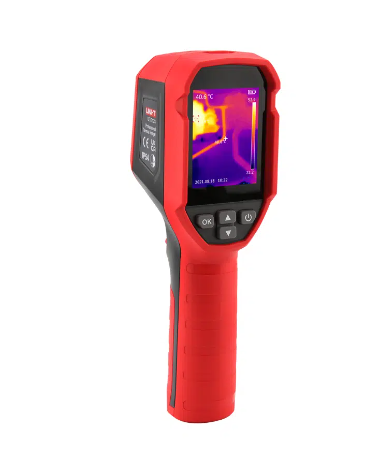
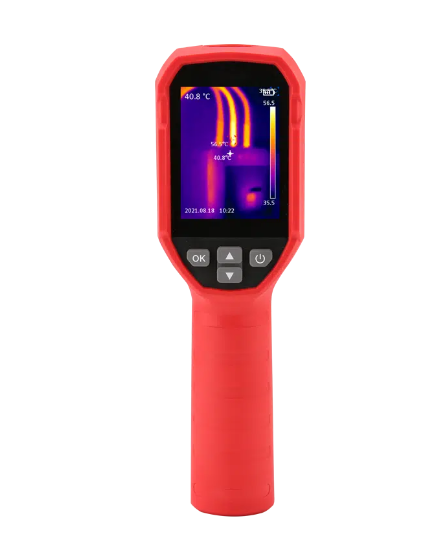
- Uni-T UTi712S Value Thermal Camera 320×240 Pixels – a compact, affordable option for tradies who want to add basic thermal scanning to their toolkit for quick switchboard checks, motor inspections and spot checks on HVAC equipment.
Everyday professional Testo thermal imagers
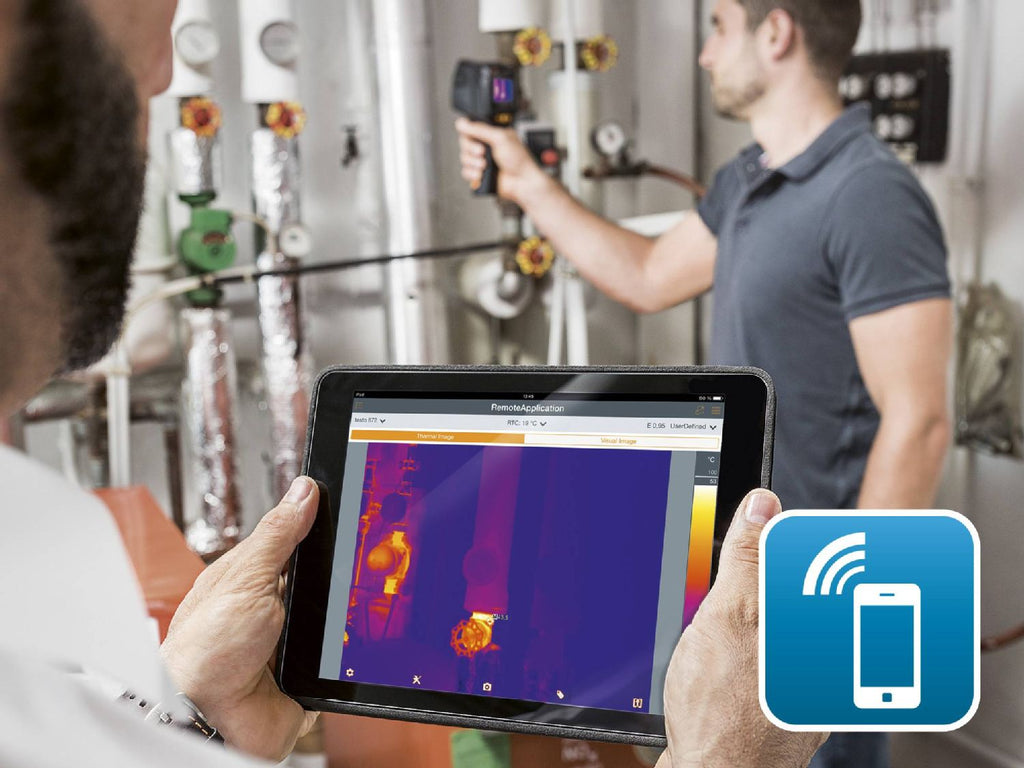
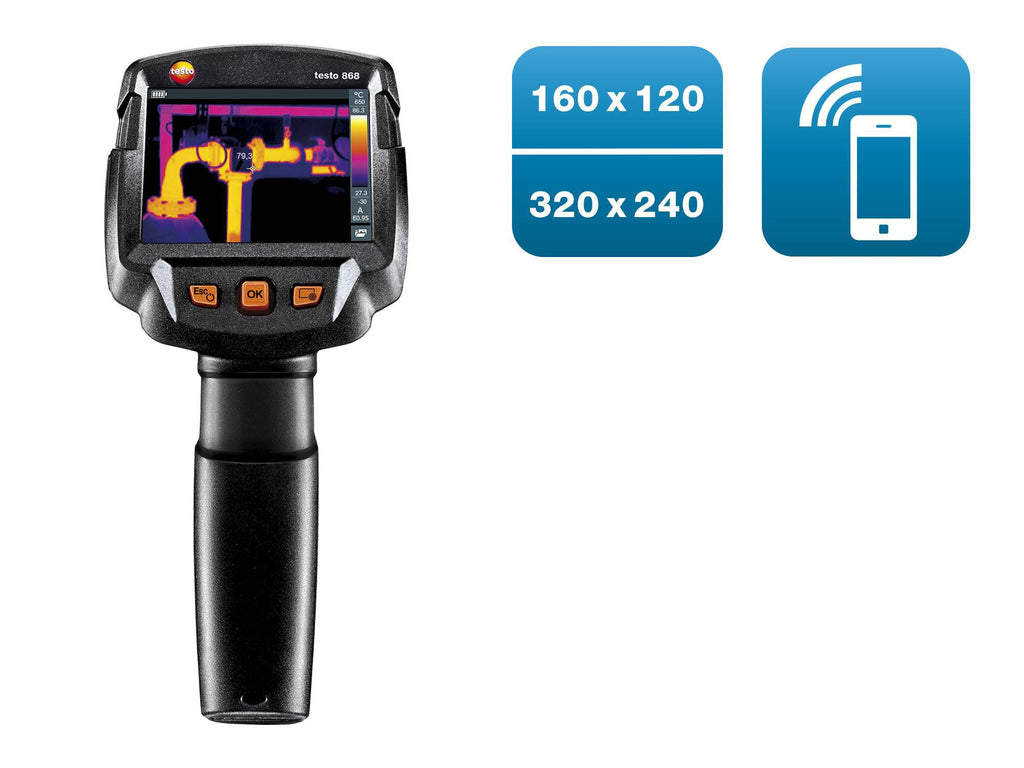
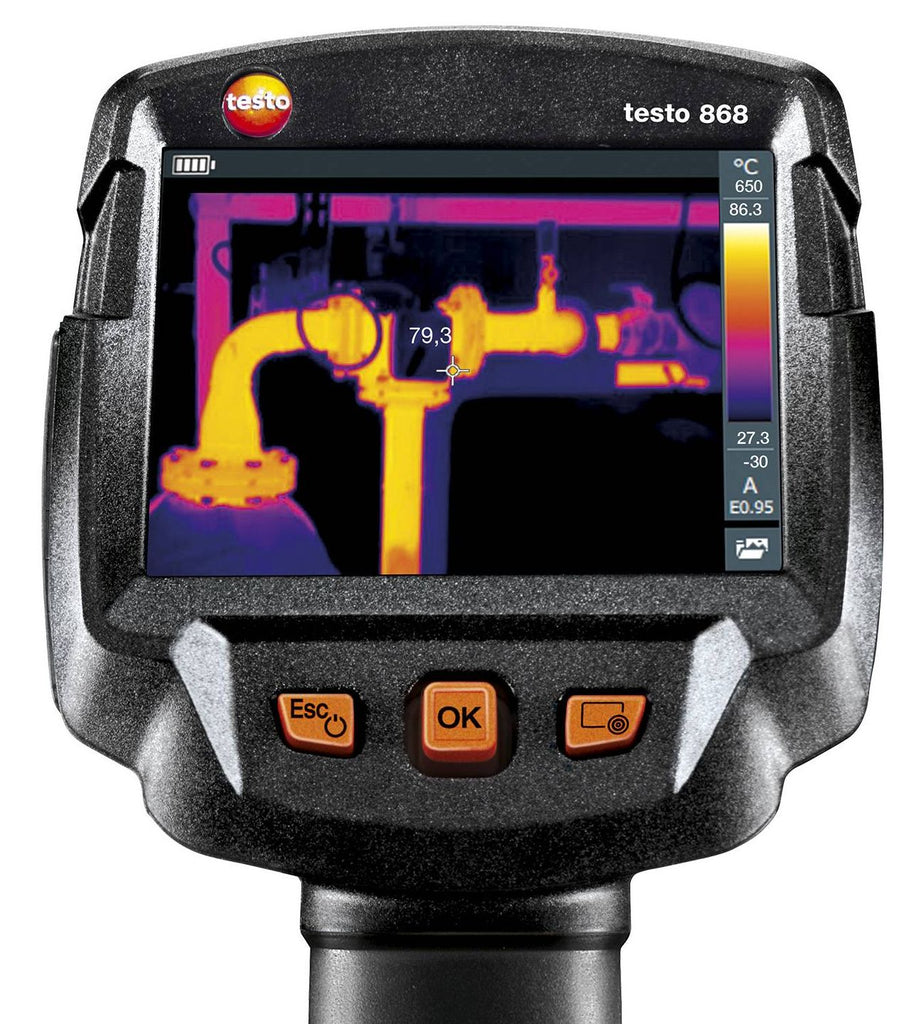
- Testo 868 Thermal Imaging Camera – ideal for electricians and maintenance techs who need an easy-to-use imager with smart app connectivity for quick documentation.
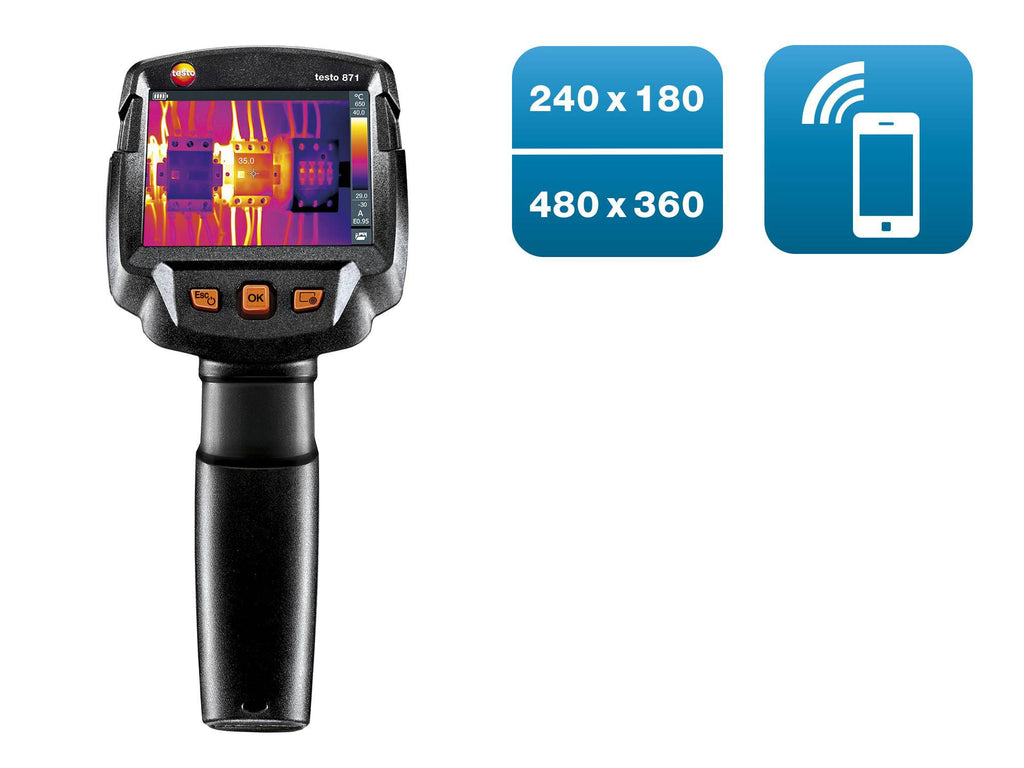
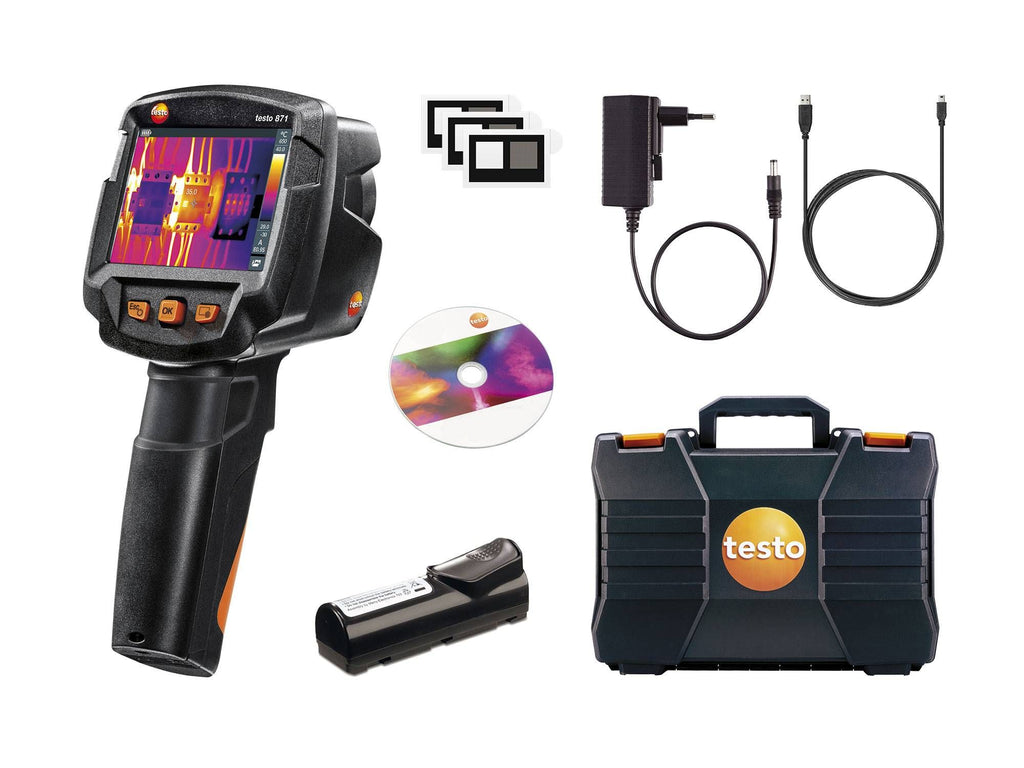
- Testo 871 Thermal Imaging Camera – extra resolution and sensitivity to clearly show hot spots on busbars, terminations, bearings and fan motors.
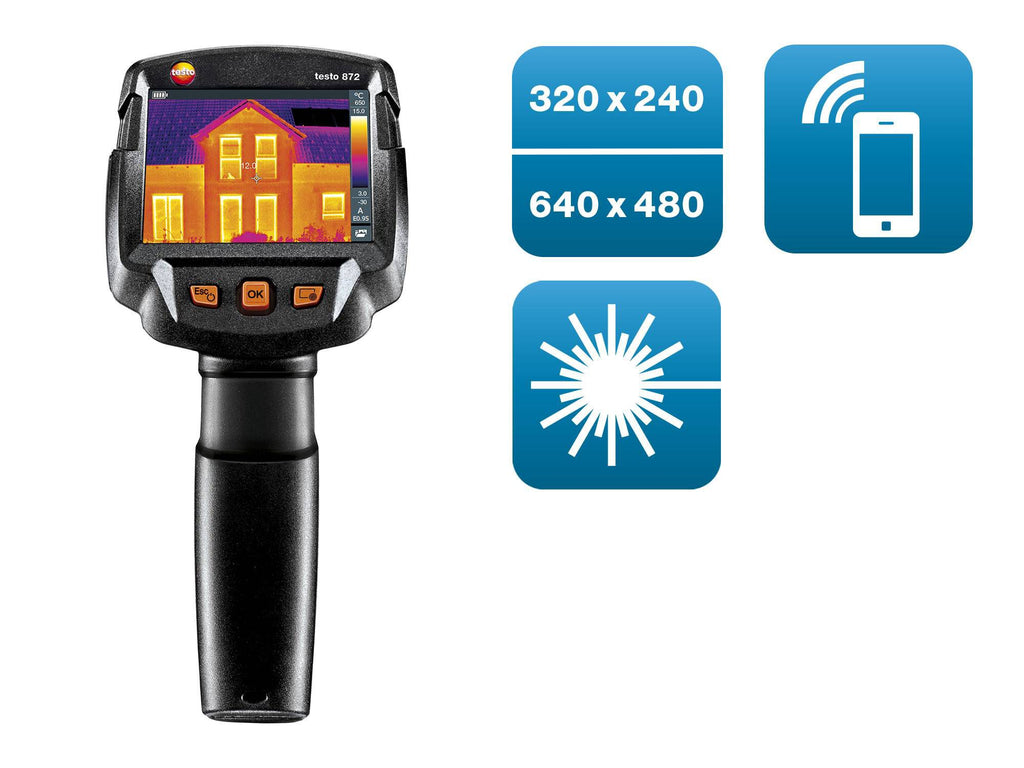
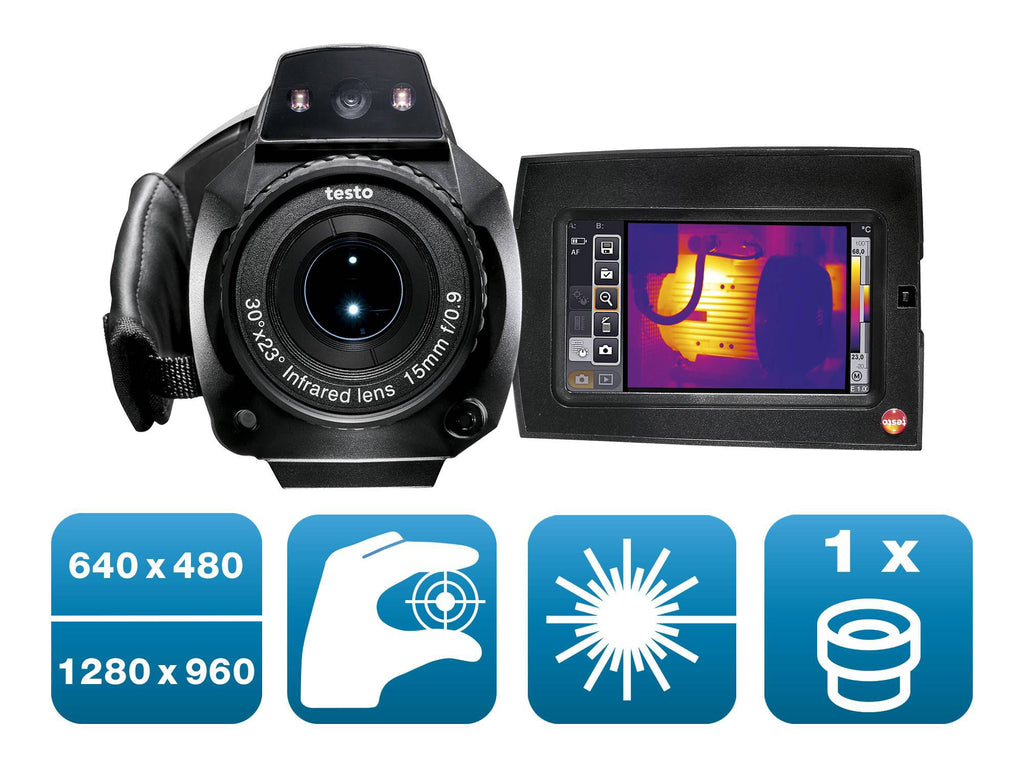
- Testo 872 Thermal Imaging Camera 320 x 240 Pixels – high detail imaging, built-in laser marker and Thermography App support for tradies and facility managers who need professional-level images and reporting.
Advanced Testo 883 & 890 cameras for detailed surveys
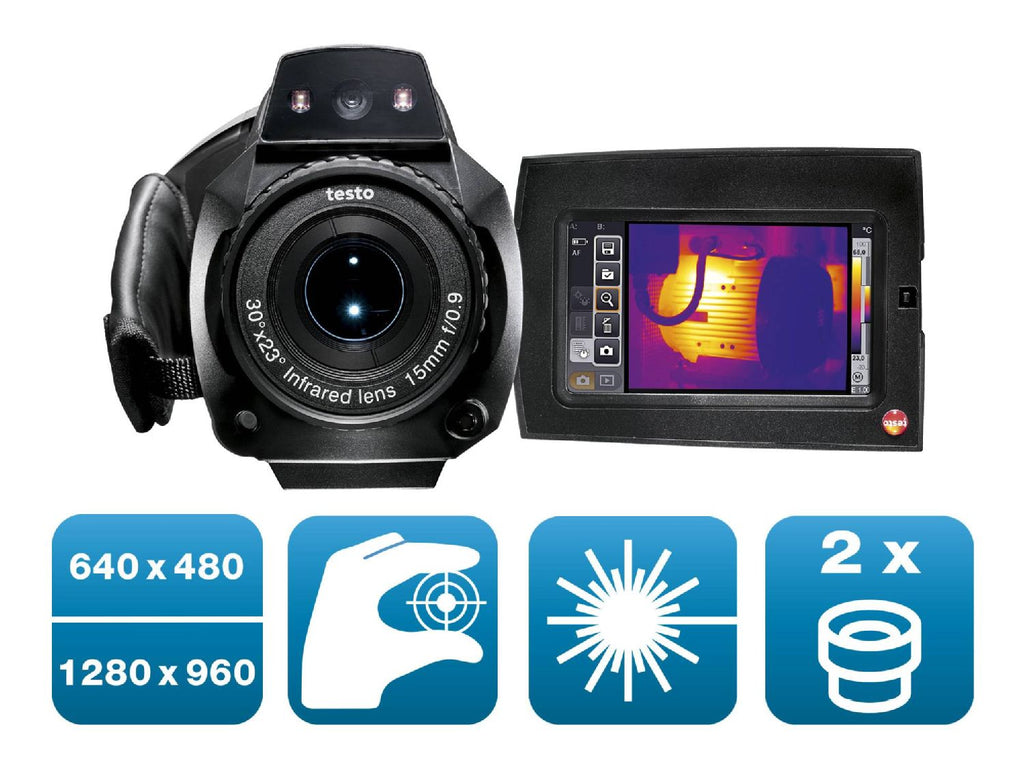
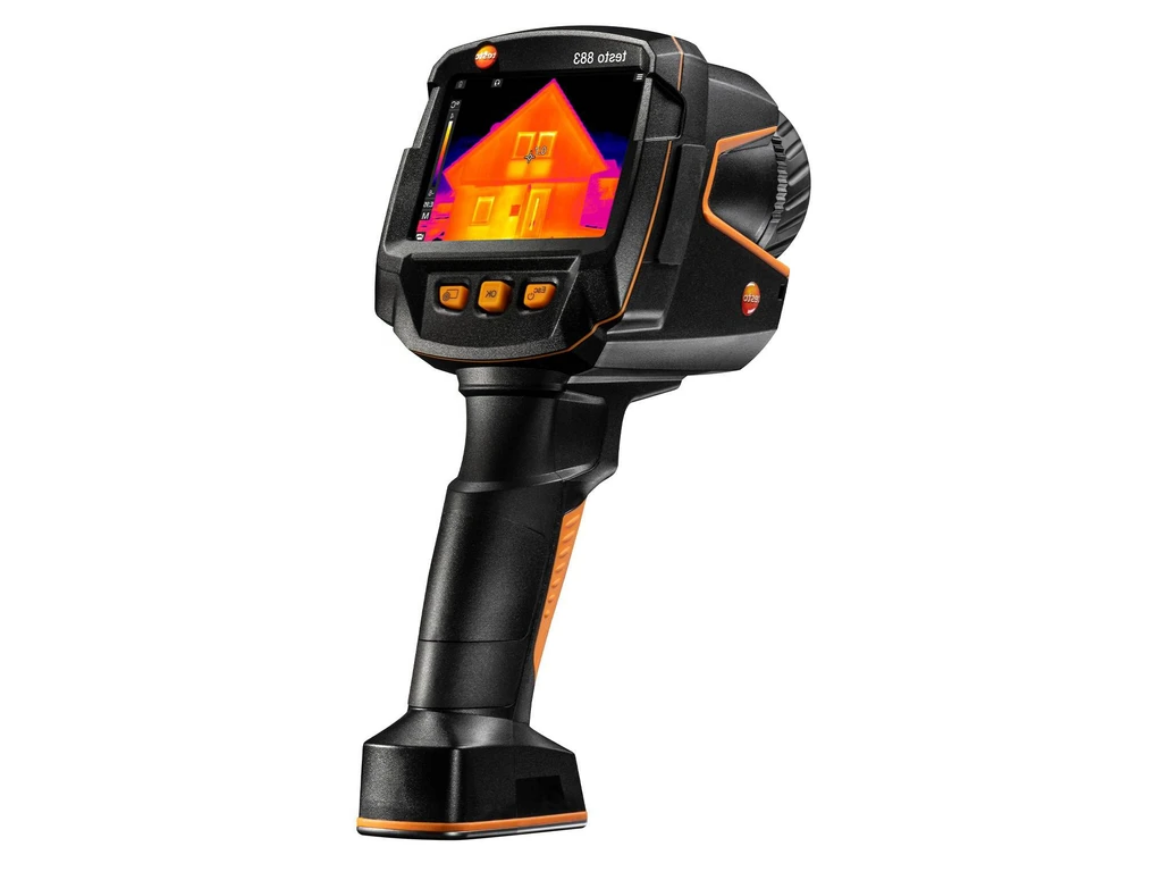
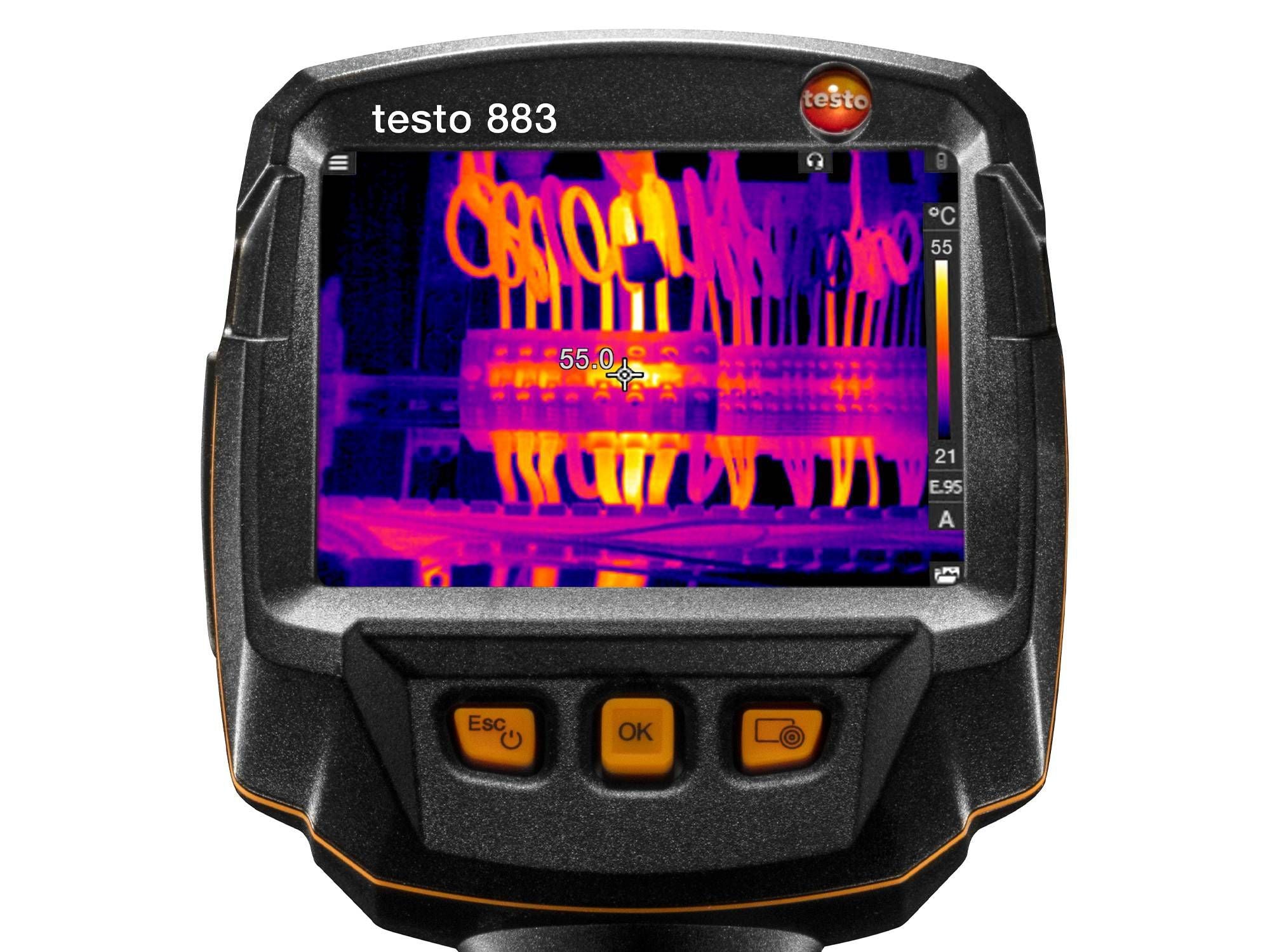
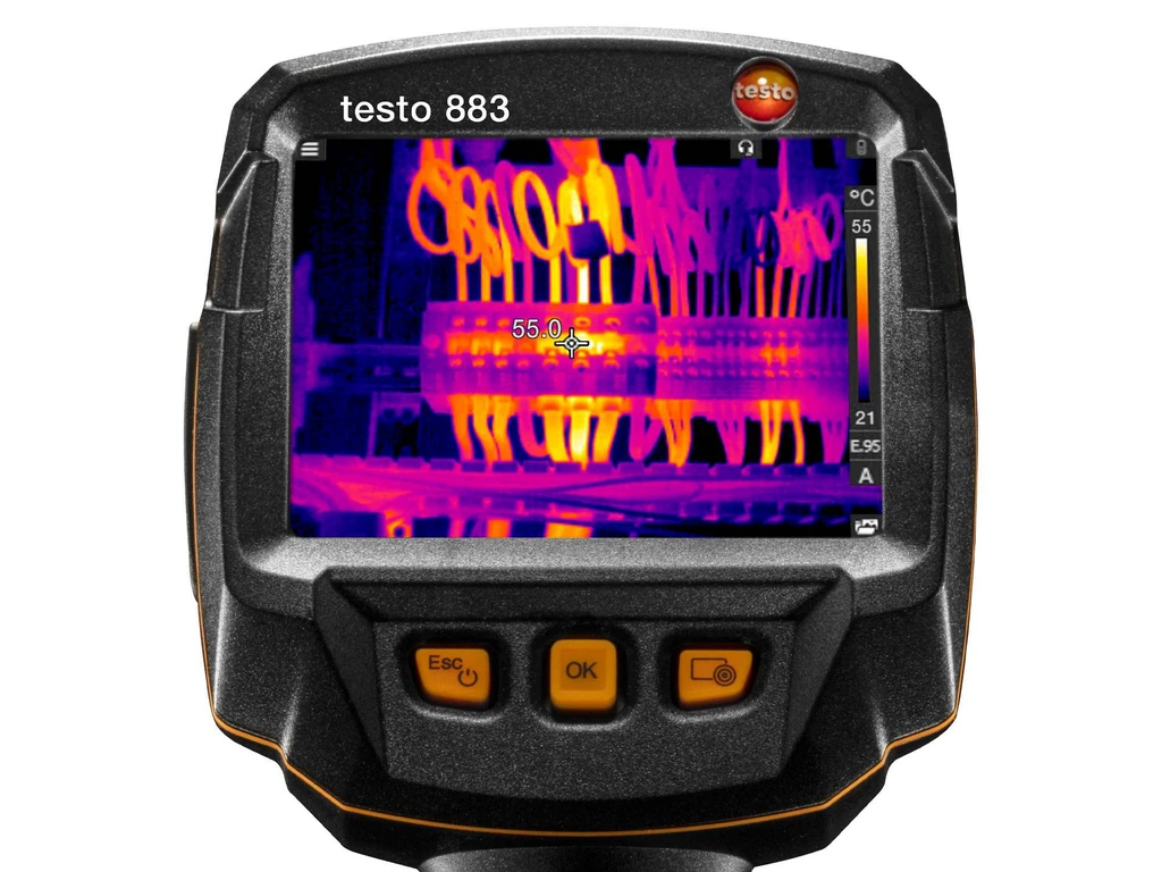
- Testo 883 Thermal Imaging Camera – an advanced diagnostic tool with excellent thermal sensitivity and powerful software, ideal for HVAC commissioning, detailed building surveys and regular electrical maintenance programs.
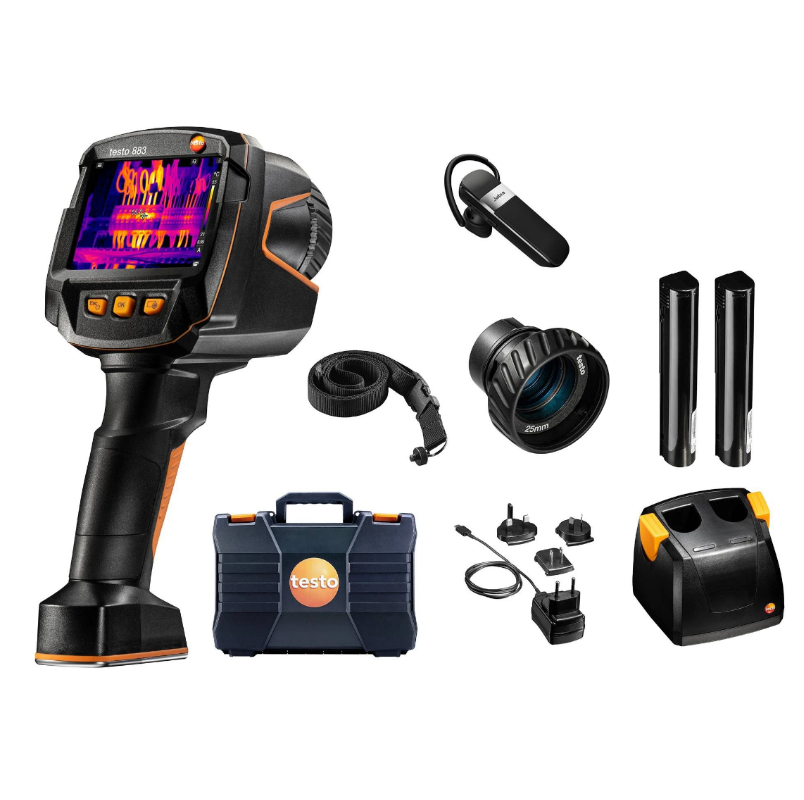
- Testo 883 Thermal Imaging Camera Kit – adds lenses and accessories so you’re ready to tackle large commercial sites, roof inspections and plant rooms straight out of the case.
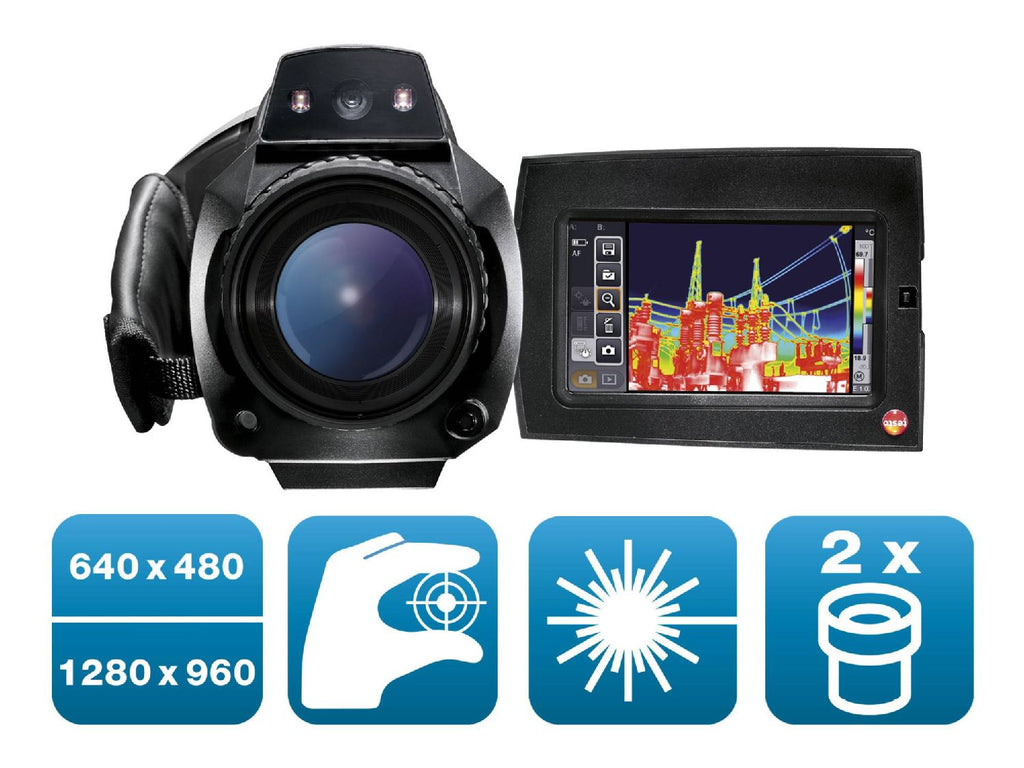
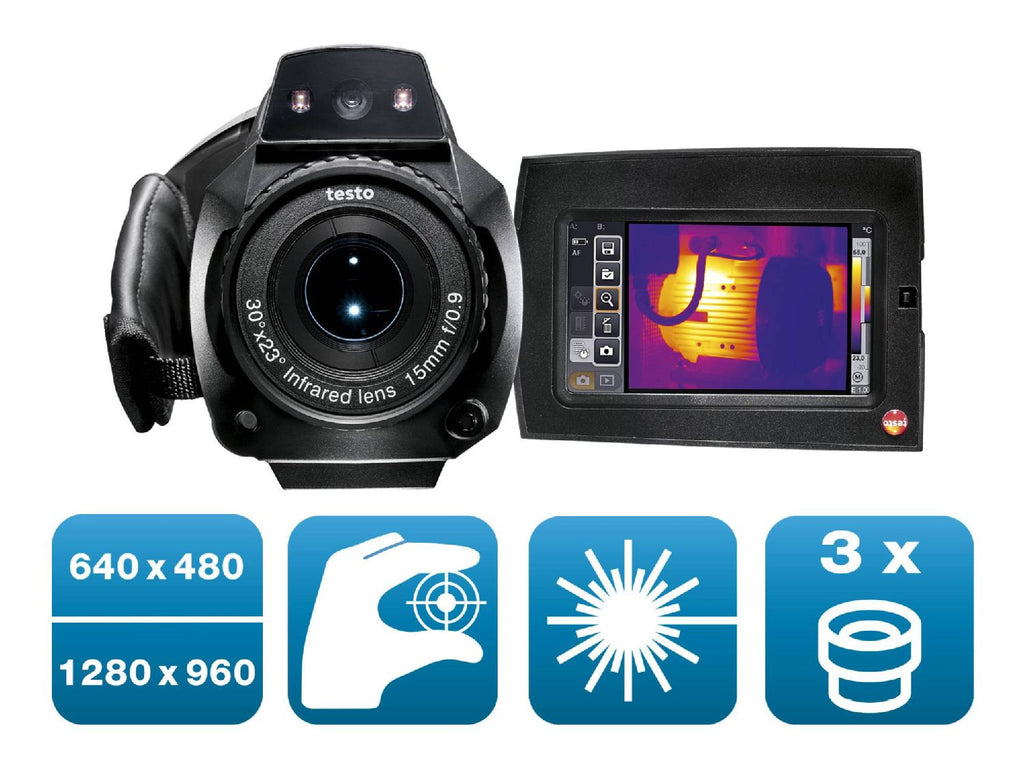
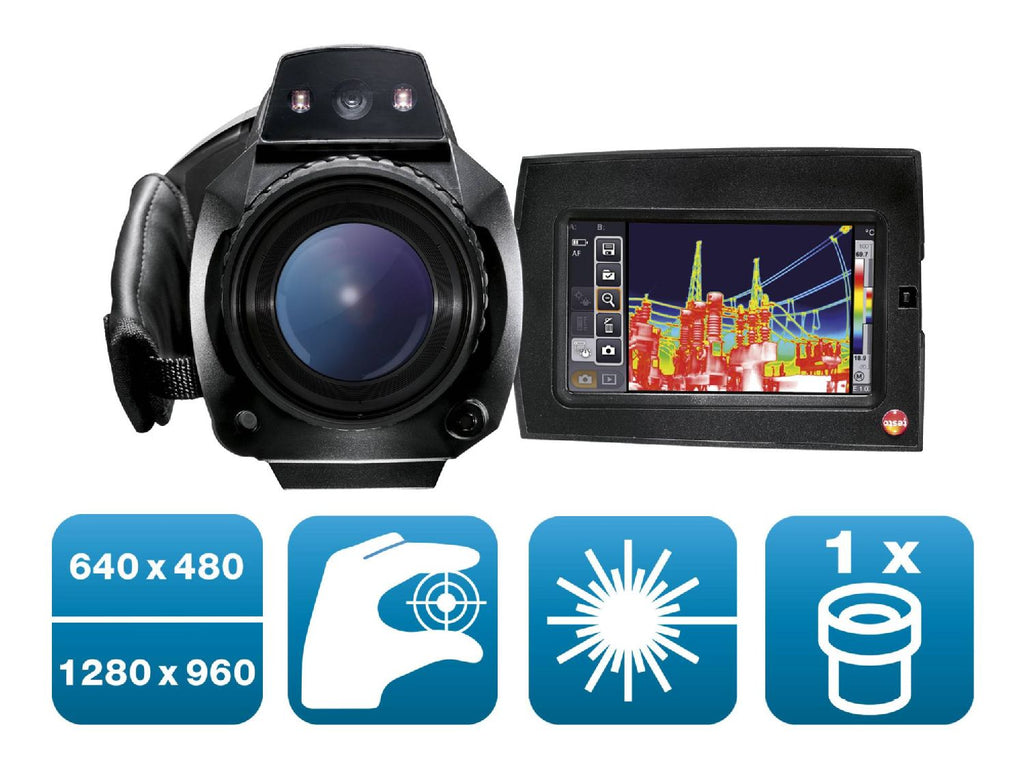
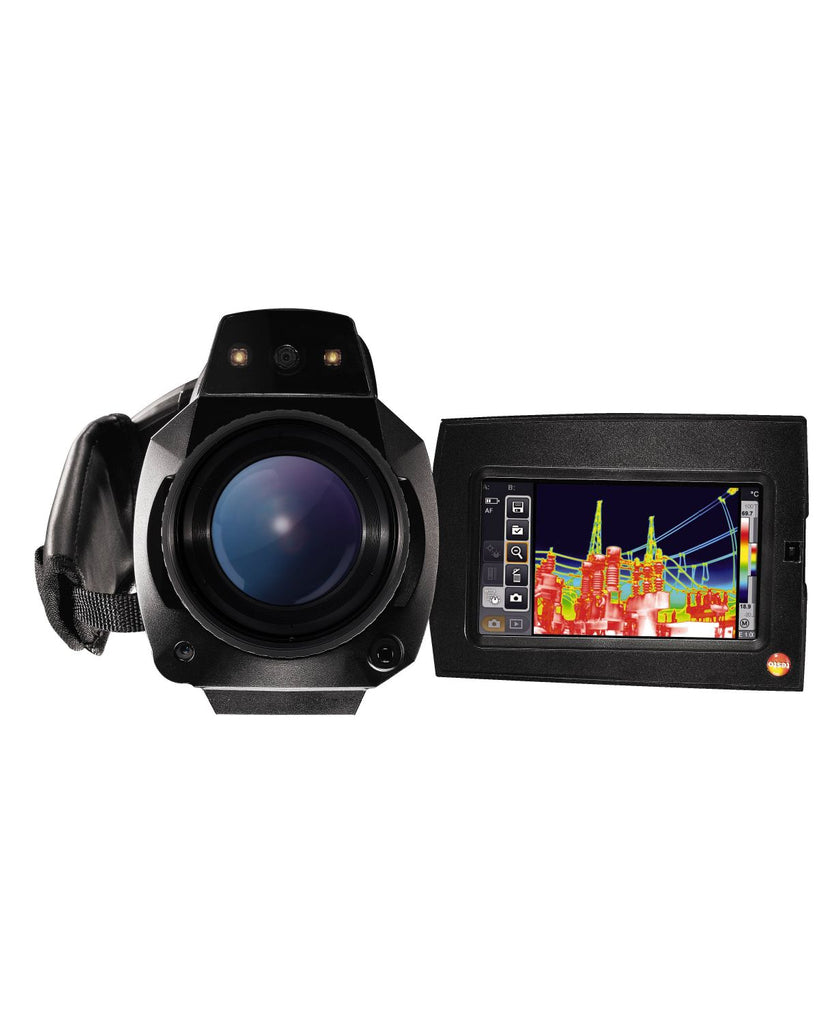
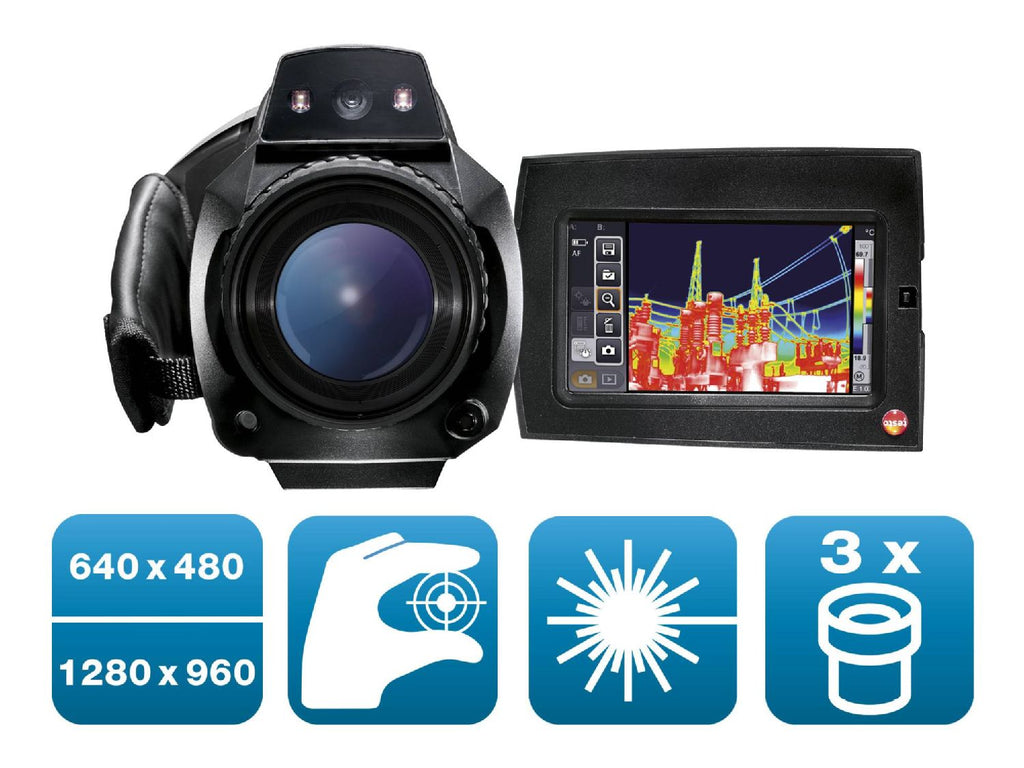
- Testo 890 Professional Thermal Imaging Camera Kit with Super Telephoto Lens – a premium solution for high-end electrical, industrial and building diagnostics, where long-range scanning, very high resolution and detailed reporting are critical.
You can browse the full range in our thermal imaging camera collection to compare resolutions, lenses and features side by side.
How to choose the right thermal imager
Choosing the best camera for your work comes down to four main factors:
- Resolution: Higher resolution (for example 320 × 240 or 640 × 480) shows finer detail and lets you work from a safer distance on live electrical gear.
- Temperature range & sensitivity: Make sure the camera can comfortably handle the hottest loads you inspect and has enough sensitivity to show small differences in temperature.
- Focus & lenses: Fixed-focus cameras are quick and simple; models with manual focus and interchangeable lenses shine on large, complex or distant targets.
- Connectivity & reporting: App support, Wi-Fi, and PC software make it easy to add images to reports, defect lists and quotes for your clients.
Not sure which way to go? Reach out to our team and we’ll help you match a camera to your jobs, whether that’s routine switchboard scans, HVAC commissioning or building envelope inspections.
Typical applications for thermal imaging cameras
Electrical inspections
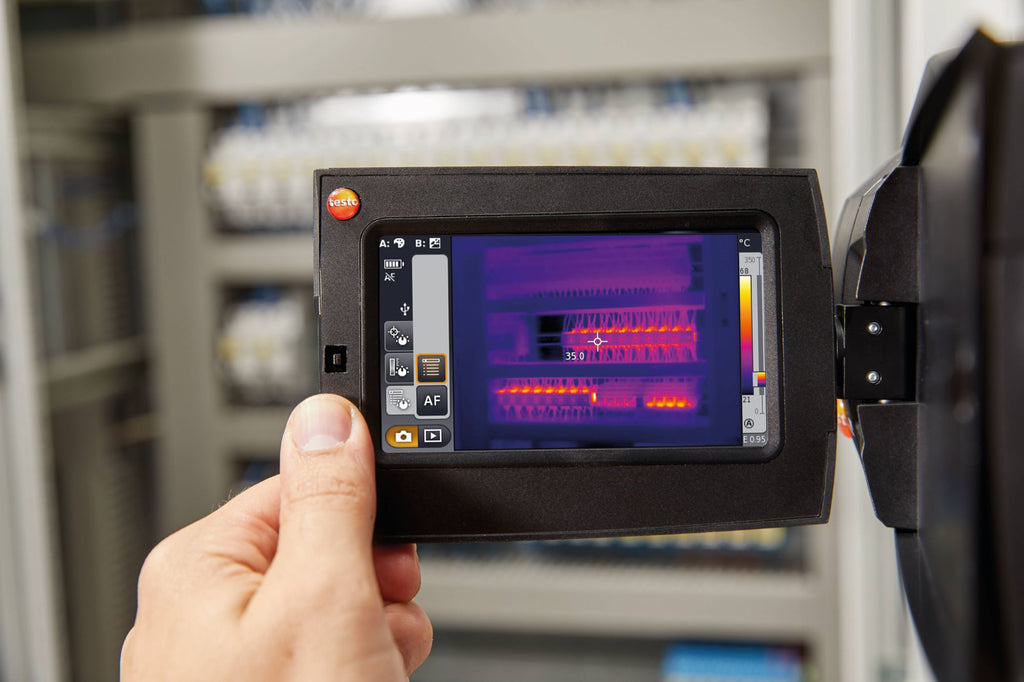
- Regular scanning of switchboards and MCCs to spot loose or overloaded connections.
- Checking breakers, fuses and terminations for abnormal heating under load.
- Supporting insurance and risk-management programs with documented thermal reports.
HVAC & refrigeration diagnostics
- Checking motors, bearings and fans for overheating before they fail.
- Verifying temperature distribution across coils and supply registers.
- Finding insulation gaps and duct leakage that waste conditioned air.
Building & energy performance
- Identifying heat loss and air leakage around windows, doors and roof spaces.
- Scanning for moisture issues and hidden water ingress in walls and ceilings.
- Supporting broader energy-efficiency upgrades alongside digital multimeters, inspection cameras and refrigerant scales.
Complementary test & measurement tools
For a complete diagnostic kit, pair your thermal camera with:
- Digital multimeters – confirm voltage, current and resistance on suspect circuits.
- Inspection cameras – see inside ducts, ceiling spaces and equipment where line-of-sight is limited.
- Infrared and contact thermometers – spot-check individual components alongside your thermal images.
Safe use & professional practice
Thermal imaging cameras are powerful diagnostic tools, but they don’t replace sound electrical and HVAC safety practices. Always follow relevant Australian WHS requirements, your company procedures and manufacturer instructions for live work. For formal thermography reports (for example, for insurance or switchboard compliance), use or consult a suitably qualified and certified thermographer and a licensed electrician.
FAQs: Thermal imaging cameras for electrical inspections
Do I still need a thermal imaging camera if I already use a multimeter?
Yes. A multimeter gives you a reading at a single point. A thermal camera shows the complete temperature pattern across a switchboard, cable set or motor, making it much easier to spot hot spots, loose terminations and overloaded components quickly.
What resolution thermal camera is best for electrical inspections?
For most everyday work, anything from 160 × 120 up to 320 × 240 pixels offers a good balance of detail and price. Higher resolutions such as 640 × 480 are best suited to large commercial switchboards, industrial plants and consultants who deliver detailed reports.
Can I use the same thermal camera for HVAC, electrical and building inspections?
In most cases, yes. As long as the camera has an appropriate temperature range, resolution and lens options, you can confidently use it across electrical, mechanical and building diagnostics. Many technicians start with one quality imager and build experience across multiple applications.
Do I need special training or certification to use a thermal imaging camera?
For basic maintenance and fault finding, good product training and practice are usually enough. However, if you are producing formal thermography reports for clients, insurance or compliance, Australian industry practice is to engage a suitably certified thermographer and licensed electrician for the work.
How should I care for my thermal imaging camera?
Store the camera in its case, avoid dropping or scratching the lens, keep batteries charged, and follow the manufacturer’s recommendations for calibration and software updates. Wipe the lens gently with a clean, soft cloth only.
Author: HVAC Shop Content Team – HVAC Content Specialist
Reviewed by: Licensed Refrigeration & Air Conditioning Technician ARCtick
Business: HVAC Shop – ABN 98 351 143 900
Methodology: Information on this page is based on Testo and Uni-T manufacturer specifications, Australian HVAC&R maintenance guidance (including AIRAH resources), and energy efficiency information from Australian government agencies. It is intended as general guidance only and does not replace site-specific advice from a qualified electrician or HVAC technician.
External authority resources you can consult:
- energy.gov.au – heating and cooling guidance
- ARCTick – refrigeration and air conditioning licensing
- CHOICE – independent product reviews & buying advice
- AIRAH – HVAC&R maintenance and best practice
This page has been created to align with Google Search Central helpful content guidelines and Google’s link best-practice recommendations , focusing on people-first content and natural, useful internal and external links.
Last updated: 2025-12-03 (AEST)