Refrigerant Leak Detectors | R32, A2L & HVAC Leak Tools
30 products
Showing 1 - 24 of 30 products


Refrigerant Leak Detectors – R32, A2L & HVAC Leak Detection Tools
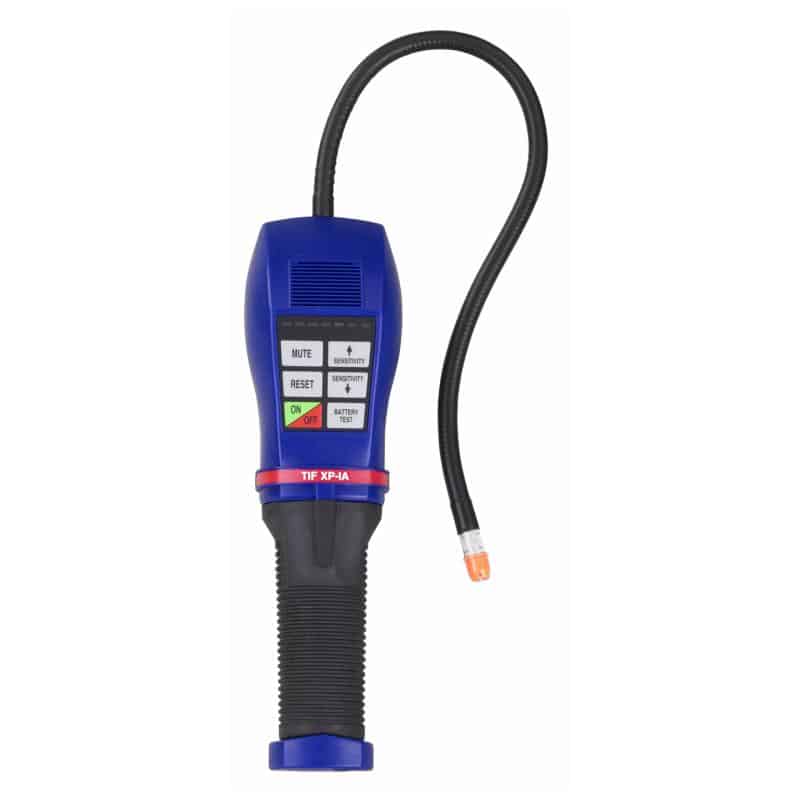
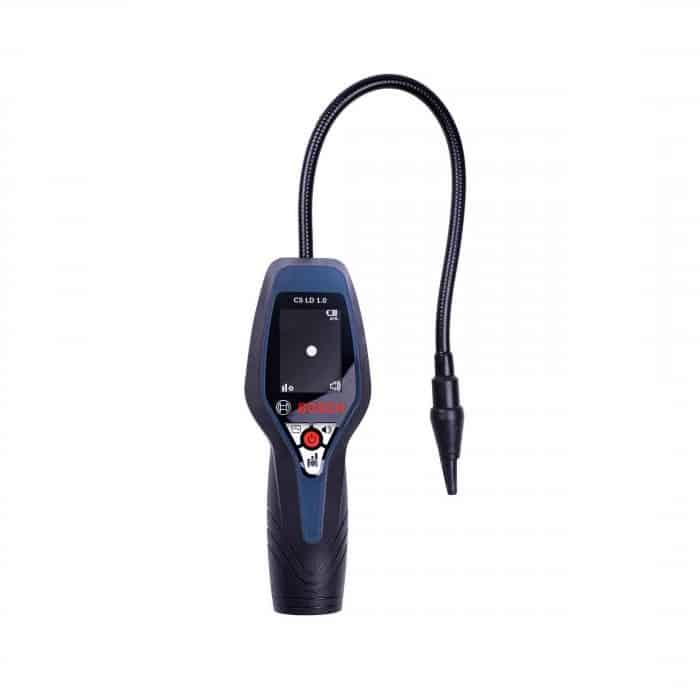
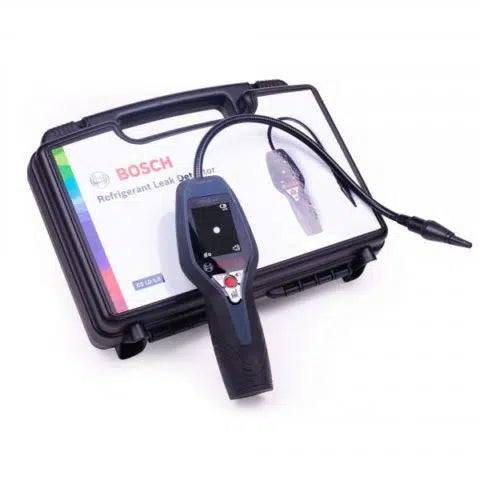
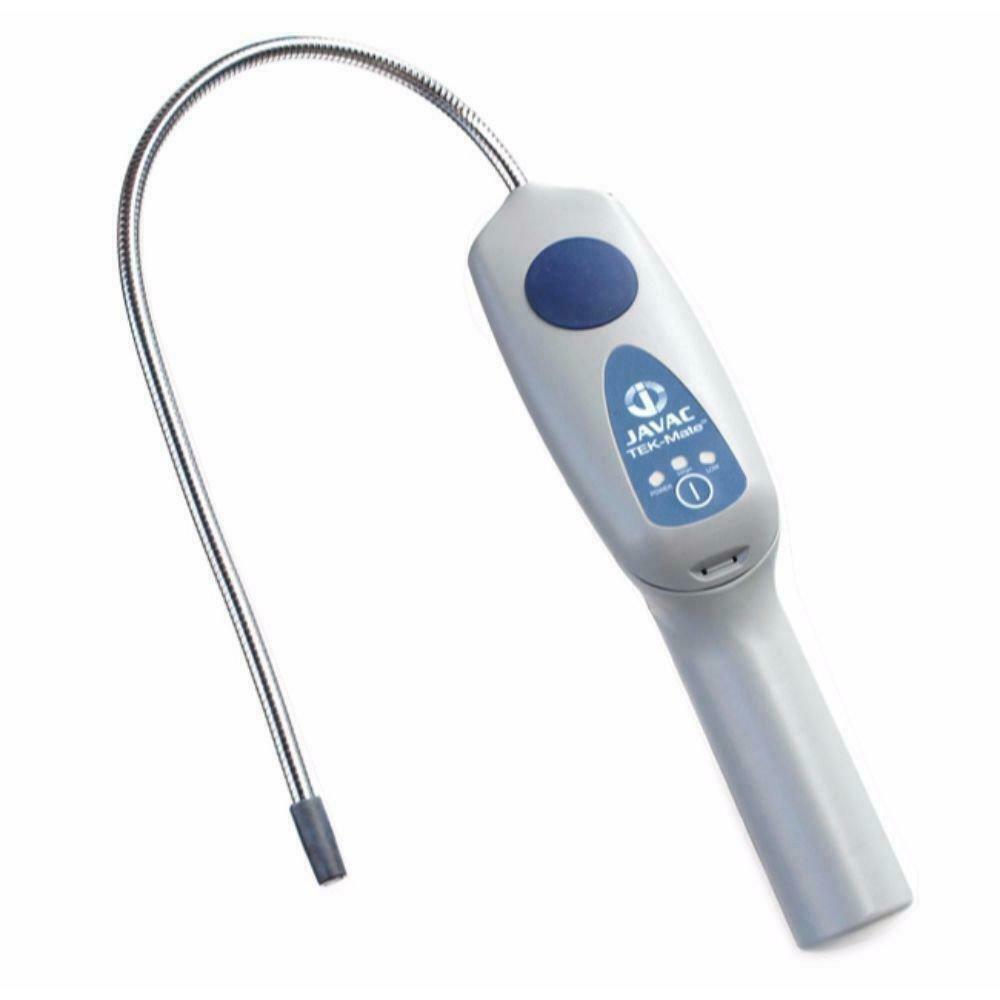
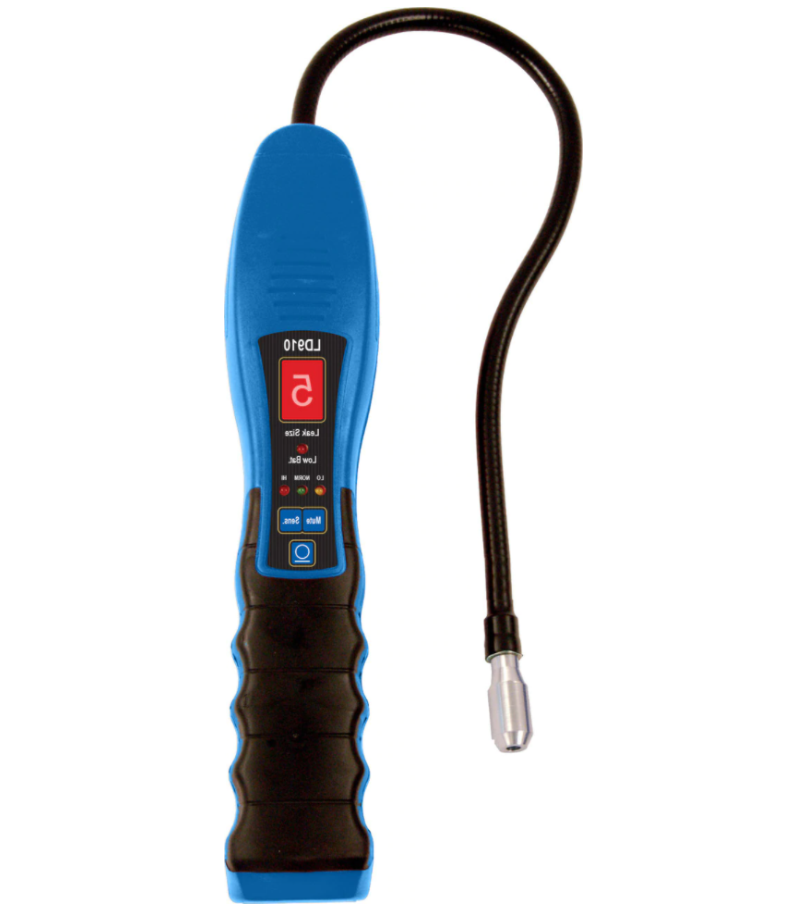
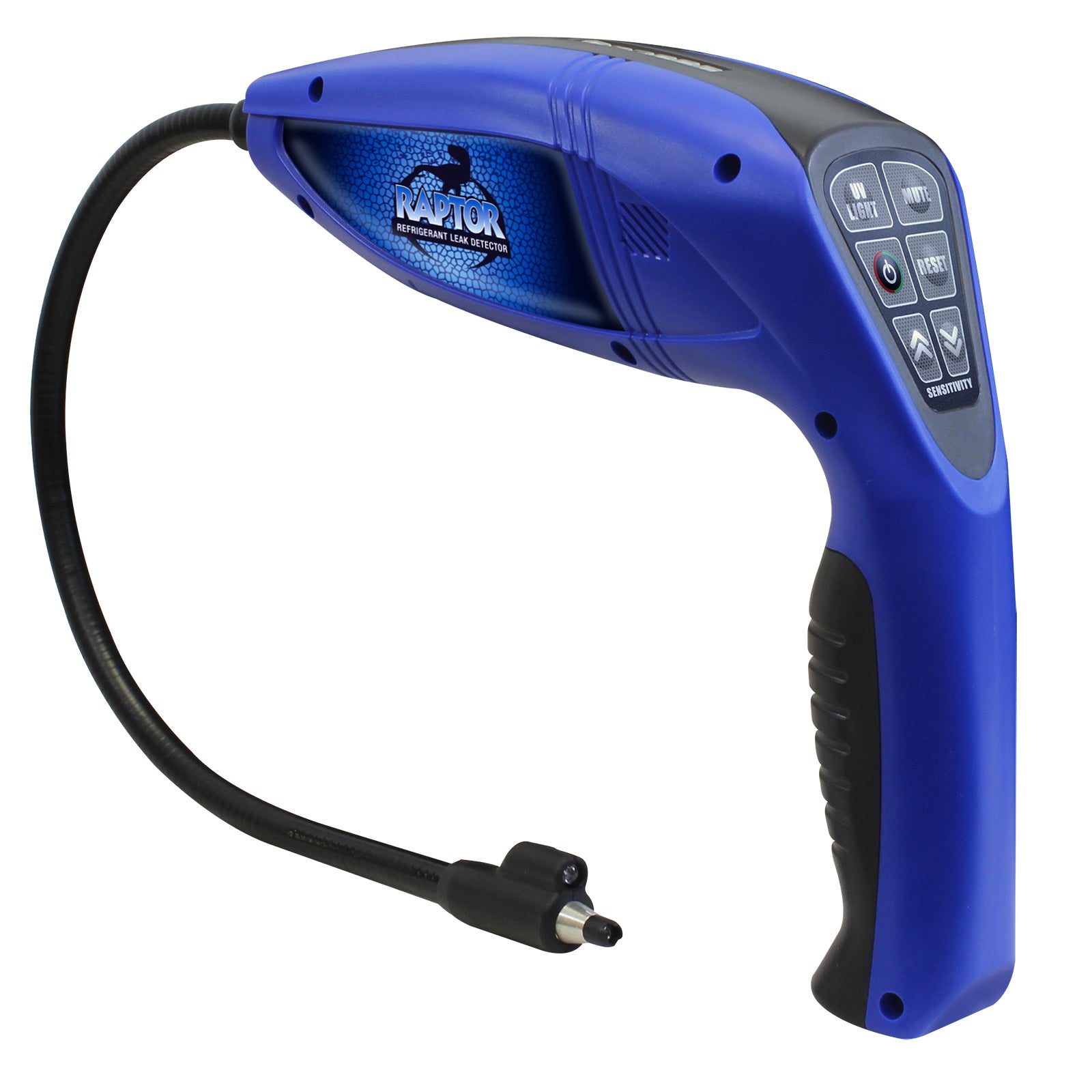
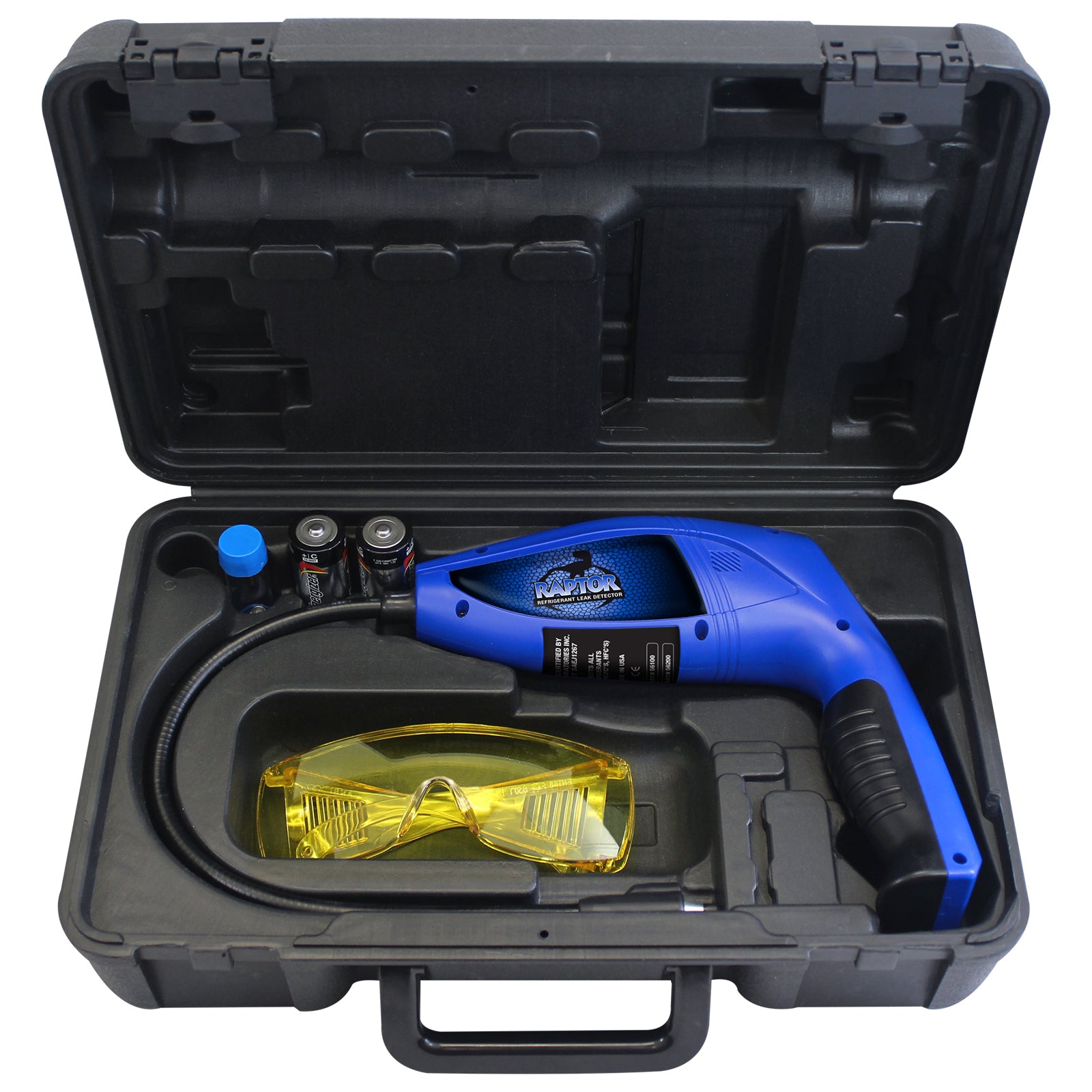
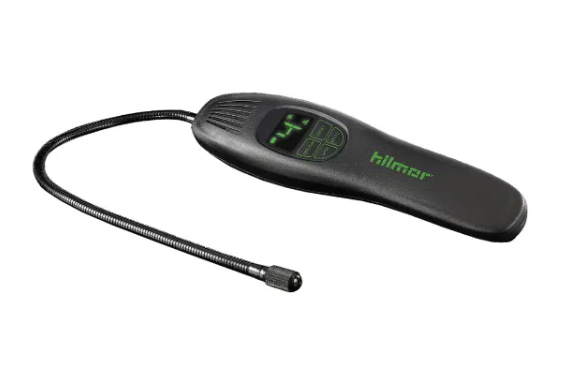
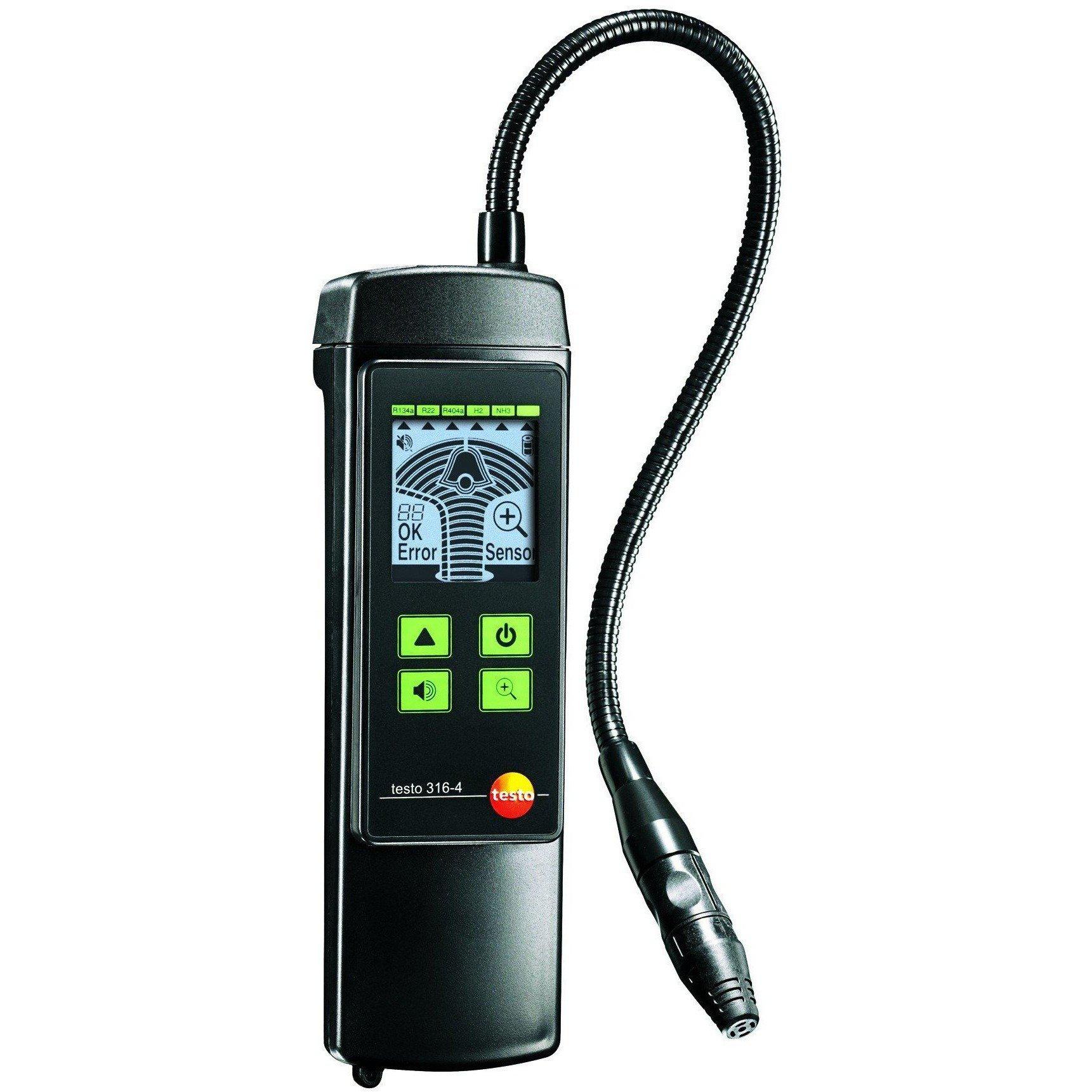
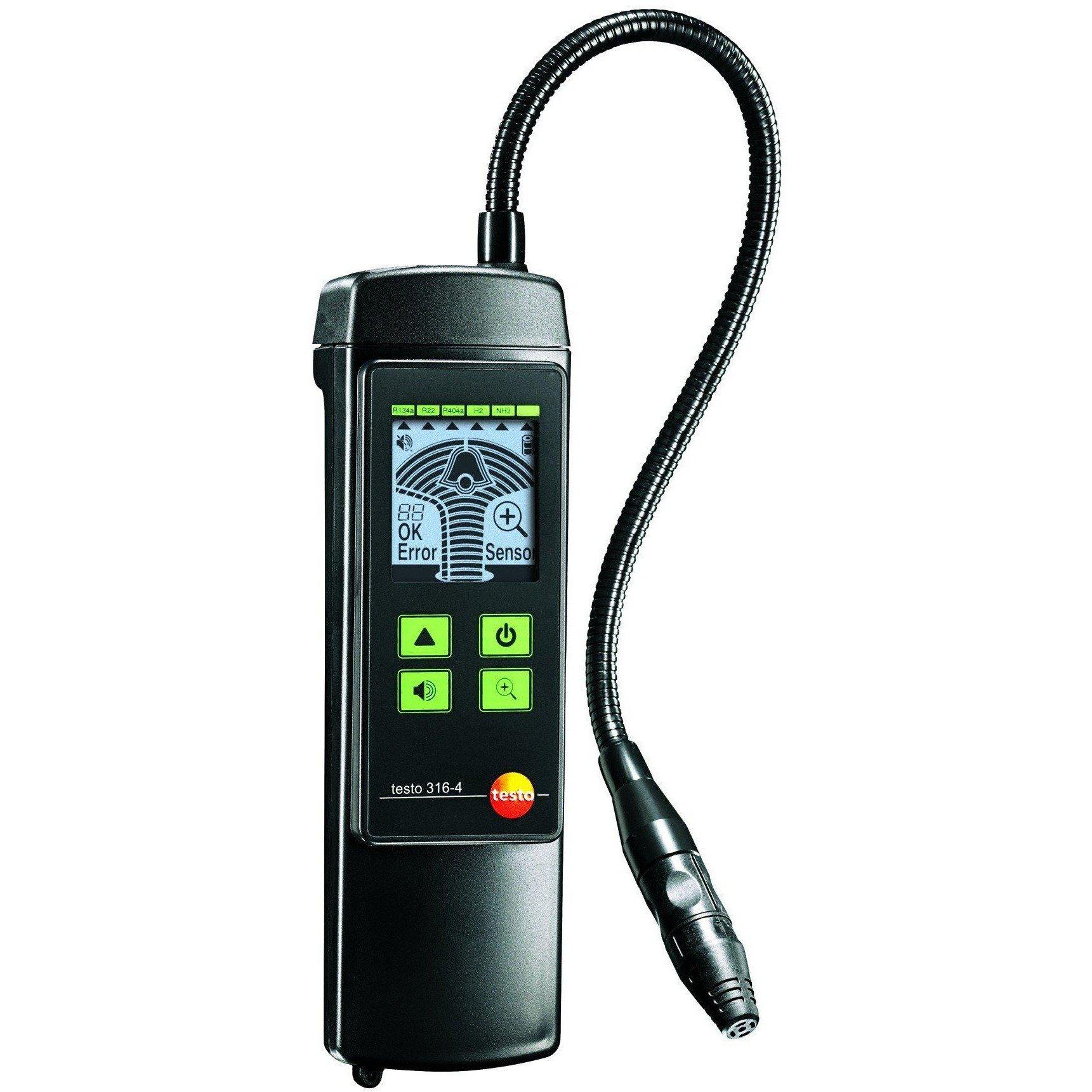
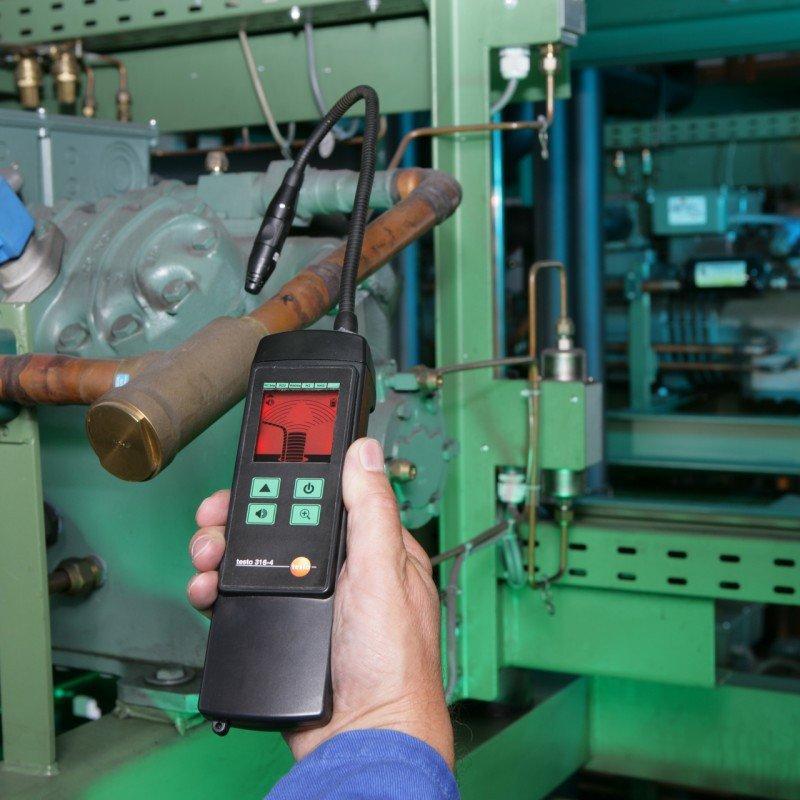
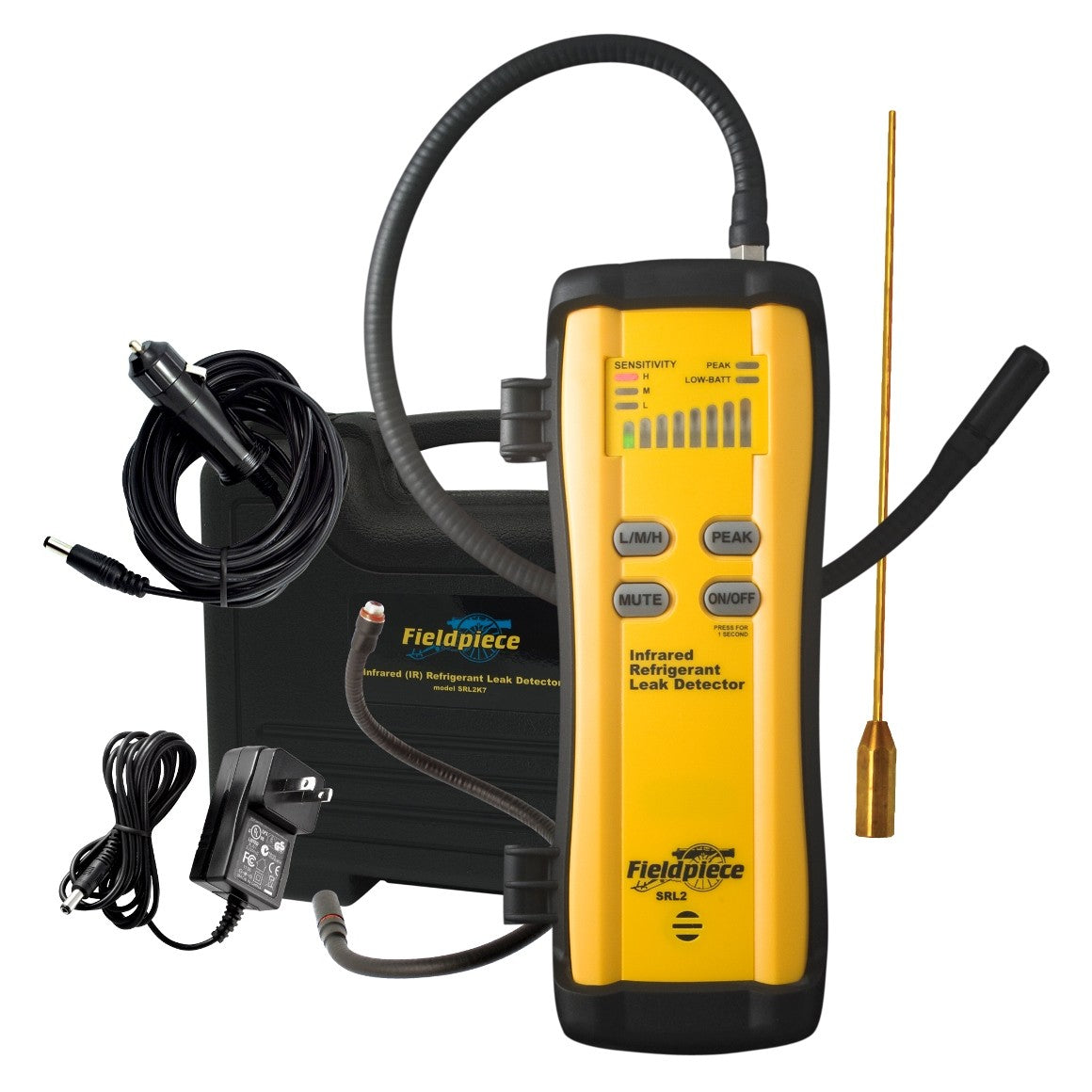
A refrigerant leak costs your customer money, damages the environment, and — with A2L refrigerants like R32 — creates a genuine safety risk. A quality electronic leak detector finds leaks fast, confirms repairs, and keeps you compliant. This collection covers heated-diode, infrared, and ultrasonic leak detectors suited to residential splits, commercial refrigeration, and automotive A/C work across Australia.
Types of Refrigerant Leak Detectors
| Type | How It Works | Best For |
|---|---|---|
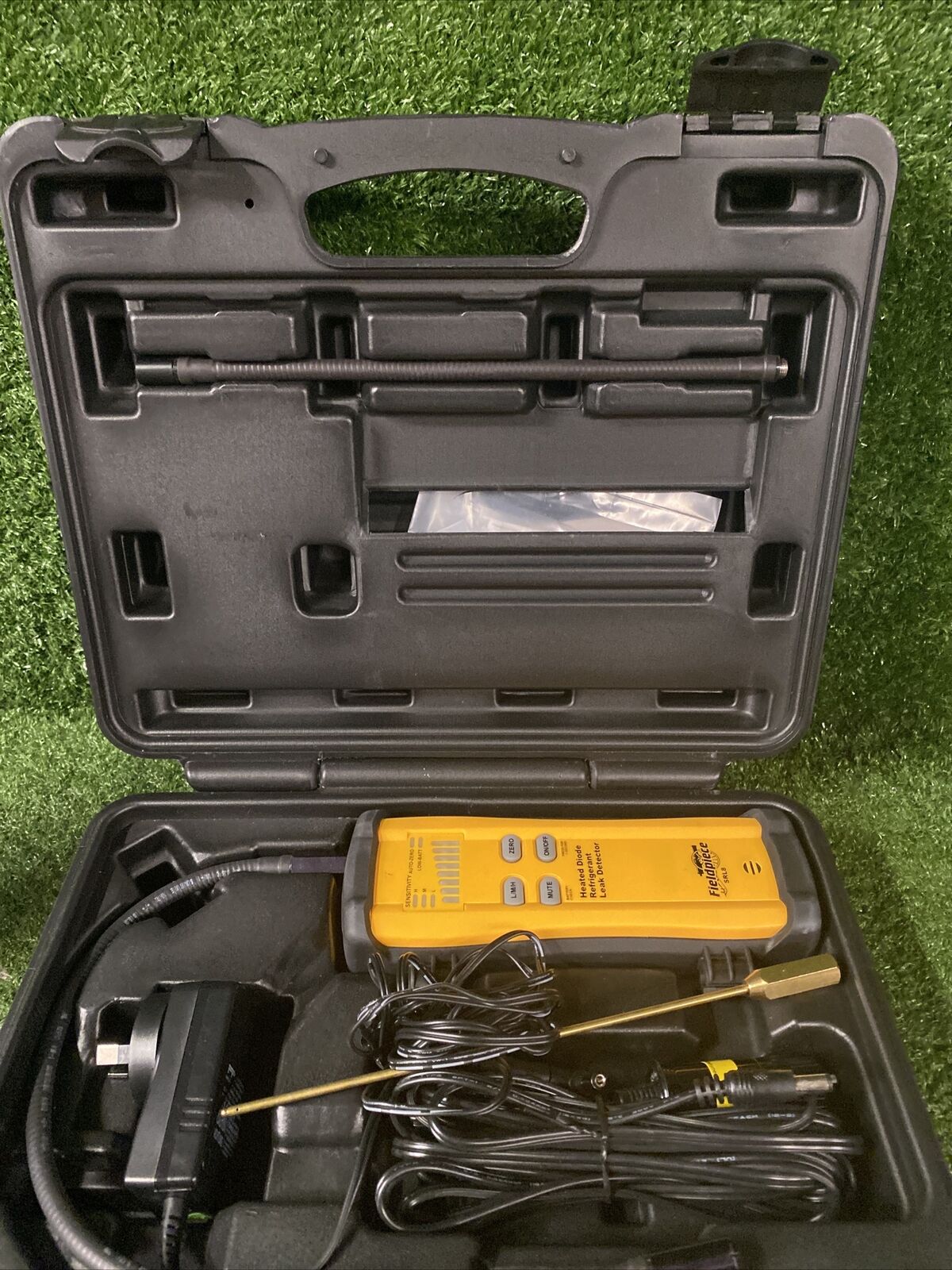
| Heated Diode | Sensor reacts to halogen gases; alarm triggers on detection | All-round HVAC/R use, CFC/HCFC/HFC/HFO |
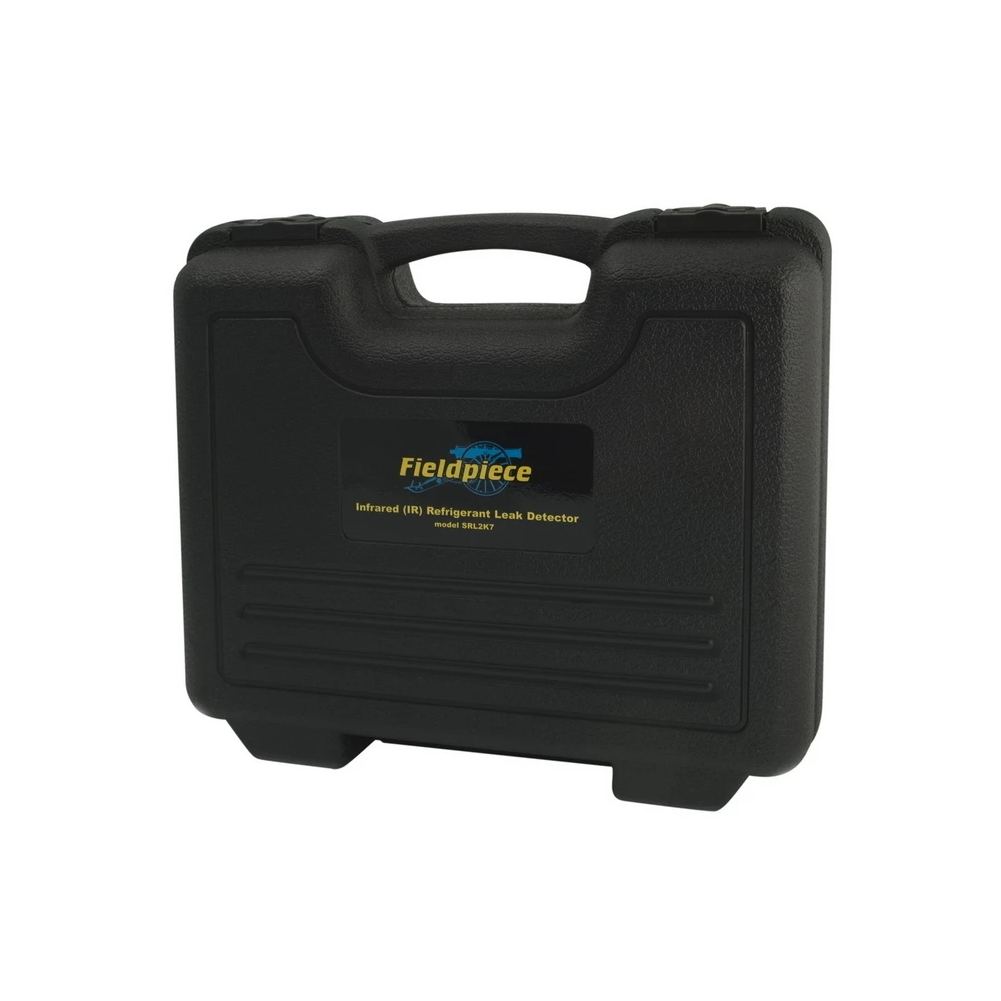
| Infrared (NDIR) | Optical sensor; longer sensor life, less false alarms | High-use environments, contaminated areas |
| Ultrasonic | Detects sound of gas escaping under pressure | Pressurised systems, noisy environments |
Key Features to Compare
- Sensitivity (g/year) — lower is better; 5 g/year is the standard for HVAC compliance work
- Refrigerant compatibility — confirm it detects R32, R410A, R134a, R404A, and HFOs as needed
- A2L rating — essential if you work on R32 systems; the detector must be safe to use around mildly flammable refrigerants
- Probe length and flexibility — a longer, flexible probe reaches tight spots behind coils and in confined spaces
- Sensor life — heated diode sensors typically last ~100 hours; infrared sensors last significantly longer
- Auto background compensation — adjusts for ambient refrigerant contamination to reduce false alarms
Pro Tips for Accurate Leak Detection
- Move the probe slowly — 25–50mm per second — and keep it close to the surface without touching
- Start at the lowest point of the system; refrigerant vapour is heavier than air and settles
- If the alarm triggers, pull back, let the sensor reset in fresh air, then re-approach to pinpoint the exact location
- Always leak-check after repairs before recharging — don't assume the fix held
Related Categories
- Inficon Leak Detection Tools — professional-grade Inficon detectors for demanding applications
- Vacuum Pumps — evacuate the system after leak repair
- Manifold Gauge Sets — pressure test and charge after confirming the repair
- HVAC Tool Kits — bundled kits that include a leak detector
- Test & Measurement Tools — browse the full diagnostic instrument range
Frequently Asked Questions
What's the best leak detector for R32?
For R32 and other A2L refrigerants, you need a detector that is specifically rated for use around mildly flammable gases. Infrared (NDIR) detectors are a strong choice for R32 work as they offer long sensor life and reliable detection without the false-alarm issues of some heated-diode units in contaminated environments.
How often should I replace the sensor?
Heated diode sensors typically last around 100 hours of active use. Replace the sensor when the unit struggles to alarm in the presence of a known leak, or if it alarms erratically in fresh air. Keep a spare sensor in your kit.
Can I use a leak detector to find natural gas leaks?
No. Refrigerant leak detectors are designed for halogenated refrigerants and will not reliably detect natural gas or LPG. Use a dedicated combustible gas detector for gas leak work.
HVAC Shop Australia | 0412 333 115 | support@hvacshop.com.au
Mon–Fri 9am–5pm AEST. Need help choosing a leak detector? Call us.