
Guide to Air Conditioner Pressure Washers: Tips and Safe Cleaning
Cleaning is essential for facility managers and maintenance workers to keep equipment running correctly and buildings well kept. When it comes to large cleaning chores, the power of a pressure washer is often required to get the job done fast and effectively.
However, selecting the right machine is critical. Pressure washers are available in various sizes, pressures, and flow rates. Choosing a washer that is too small results in hours of wasted time; choosing one that is too powerful will result in damaged surfaces. There is a significant difference in selecting the right air conditioner pressure washer versus a standard one.
Cleaning the condenser coils of a window or split-system air conditioner improves the appliance's ability to pull air and cool the space. Over time, grime, dirt, mould, and mildew accumulate between the thin metal plates, forcing the motor to work harder and wearing the device out prematurely. While a pressure washer makes quick work of this task, you must take precautions to avoid damaging the delicate fins.
Can I Use Regular Pressure Washers for My AC?
The short answer is: Generally, no.
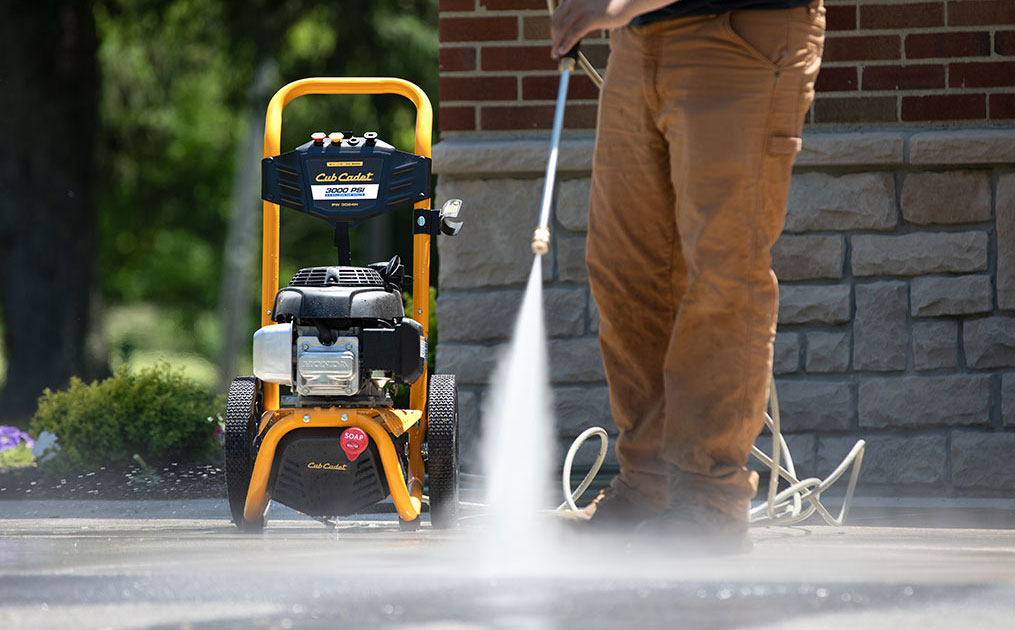
You should clean your A/C coils at least once a season to remove leaves, pollen, and dust. However, never power wash an air conditioner using a high-pressure unit found at standard hardware stores.
- High PSI Danger: Standard power washers pump out thousands of PSI (pounds per square inch). While great for concrete, this force is effective on soft metals like aluminium.
- Fin Damage: We have seen many AC coils warped out of shape or with holes blasted through the tubing due to high-power washing.
- Costly Repairs: Replacing damaged AC coils is expensive and often requires a full unit replacement.
The Solution: You need a specialized low-pressure washer designed specifically for HVAC maintenance. These units provide enough flow to clean grime but operate at a lower pressure to protect the fins.
Top Air Conditioner Pressure Washers for Sale
At HVAC Shop, we offer washers that are safe for your equipment. Below are the best portable options for cleaning AC units without harming them.
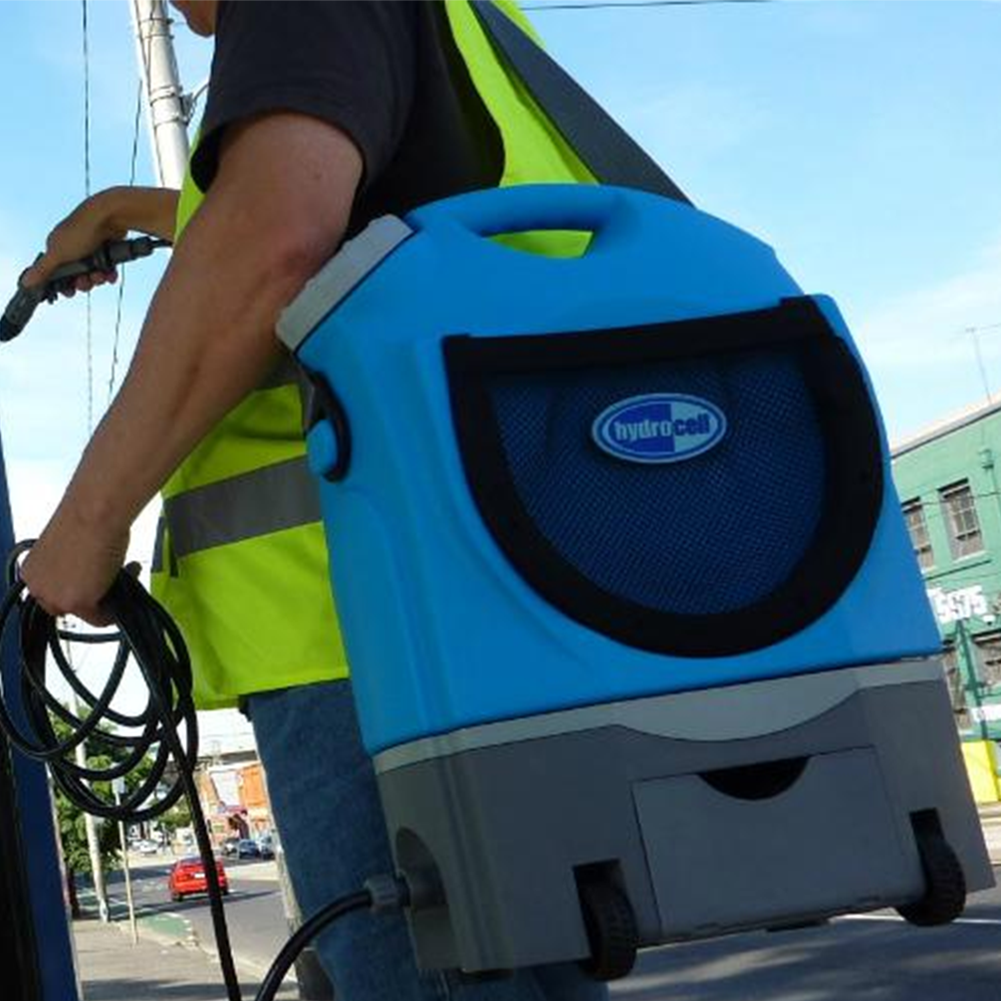
1. Hydrocell Tradie Tough Pressure Washer (17 Litre Tank)
Model: GFS-CT1

- Adjustable shoulder strap and wheels on base
- 12V cordless power supply with rechargeable battery
- Extra-long hose (6.0M)
- Removable 17 Litre water tank
- Adjustable spray nozzle
- Snap fittings for easy use
- Mesh pockets for storage
View Product: Hydrocell Collection
2. Hydrolith Portable Pressure Washer (Lithium Battery)
Model: GFS-CL1
- Powered by Lithium-Ion battery
- Adjustable shoulder strap and wheels
- Extra-long hose (6.0M)
- Removable 17 Litre water tank
- Adjustable spray nozzle
- Snap fittings for easy use
3. Hydrocell Portable Pressure Washer (15 Litre Tank)
Model: GFS-A1

- Lockable wheels on the base
- Extra-long hose (6.0 metres)
- Adjustable Spray Nozzle
- Can be connected to 12v Power Pack
- Snap-on fittings for easy use
View Collection: Hydrocell Pressure Washers
How to Use a Portable Pressure Washer Safely
Even when using specialized equipment, safety is paramount. High-pressure water sprays can cause injury or property damage if mishandled.
- Read the Manual: Understand your machine’s PSI settings, troubleshooting, and warranty details before starting.
- Use the Correct Nozzle: Never use a "Zero Degree" (Red) nozzle on an air conditioner. This shoots a narrow, cutting stream. Use a wide fan spray or adjustable low-pressure nozzle.
- Wear Protective Gear: Always wear safety goggles, work gloves, and closed-toe shoes. Avoid shorts and flip-flops.
- Prepare the Area: Close nearby windows and cover external lights or vents. Remove tripping hazards like hoses, toys, or furniture.
- Watch Your Hands: Never place your hands or body parts in front of the spray nozzle.
- Avoid Ladders: The "kickback" from a pressure washer can throw you off balance. Use extension wands to reach high places rather than climbing a ladder.
Pressure Washer FAQs
Are pressure washers worth it?
Yes. Beyond AC cleaning, they are versatile tools used for cleaning car seats, window curtains (on low settings), outdoor furniture, vehicles, driveways, and home exteriors.
Do pressure washers use a lot of water?
Contrary to popular belief, they use less water than a garden hose. A standard hose outputs about 24 gallons per minute (GPM), while a pressure washer typically uses only 2–4 GPM. The force of the water cleans faster, resulting in less total water usage.
How much pressure (PSI) should I use?
- For Concrete/Driveways: 2,000 to 3,000 PSI.
- For Cars/Windows: 1,300 to 1,700 PSI.
- For Air Conditioners: We recommend specialized low-pressure units (often under 500 PSI) or units with adjustable flow. Always spray parallel to the fins, never directly at them, to avoid bending the metal.
Can I use steam?
Steam cleaning is possible but risky. It must be low-pressure steam delivered parallel to the fins. If the steam is too hot or pressurized, it can warp the components.

Cleaning AC Coils Without a Power Washer
If you do not have access to a specialized Hydrocell washer, here are alternative methods to keep your unit running efficiently.
1. Vacuum Method
Use a vacuum with a soft brush attachment to clean access panels, filters, and the surface of the coils. This removes loose dust and debris. Repeat this every 3–6 months.
2. Coil Cleaners (Chemicals)
Purchase a spray-on coil cleaner from a hardware store. These are foam-based sprays that lift dirt. Some are self-rinsing (using condensation), while others require a manual rinse.
3. Air Compressor
Similar to a vacuum, an air compressor can blow dust out of the coils. Apply compressed air from the inside blowing out (reverse of airflow) to push dirt away from the unit rather than deeper into it.
Things You Should NEVER High-Pressure Wash
While useful, high-pressure washers (2000+ PSI) should generally avoid:
- Air Conditioner Fins (unless using specialized low-pressure gear)
- Wood Siding & Stained Wood (can strip paint/stain)
- Electrical Panels and Meters
- Asphalt Shingles (removes protective granules)
- Windows (can break seals or glass)
- Vehicles (can strip paint if too close)
Buy Safe Air Conditioner Washers from HVAC Shop
HVAC Shop specializes in equipment that protects your assets. We do not recommend standard hardware-store pressure washers for HVAC maintenance as they are often too powerful and harmful to the unit.
We offer HydroCell and Hydrolith systems with Hydrobags designed to make cleaning your AC unit easy, safe, and mess-free. Please don't hesitate to contact us with more questions!