
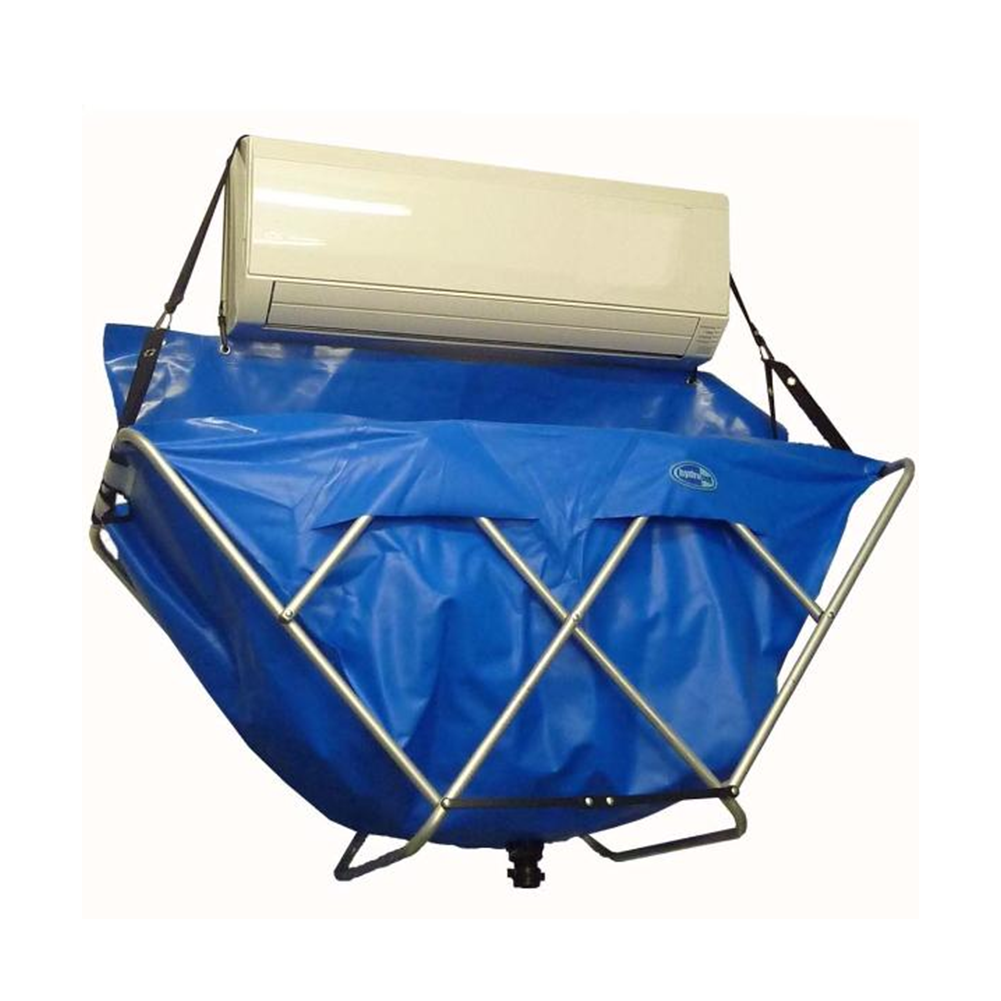
Split Air Conditioner Cleaning Bag: Your Solution for Clean and Efficient AC Units
Keeping things tidy isn't just about appearances – it's about ensuring longevity and efficiency in your appliances too! One of the most overlooked yet essential items to clean regularly is your air conditioner. Let's dive into how you can keep your split AC in top-notch condition with a handy tool – the Split Air Conditioner Cleaning Bag!
Table of Contents
- What is an Air Conditioner Cleaning Bag?
- Benefits of Using an Air Conditioner Cleaning Bag
- How to Use an Air Conditioner Cleaning Bag
- How to Improve Air Quality Indoors
What is an Air Conditioner Cleaning Bag?
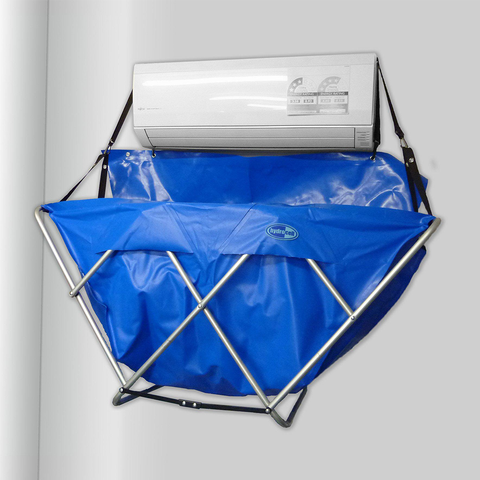
Cleaning air conditioners using air conditioning bags has become an efficient and eco-friendly solution, especially in households and commercial spaces. These specially designed bags are typically made from durable, water-resistant materials, allowing them to withstand multiple uses. Their primary purpose is to capture dirt, grime, and excess water during the cleaning process, which reduces the mess and simplifies cleanup.
Importance of Protecting Electrical Components:
One of the significant advantages of using air conditioning bags is that they protect the sensitive electrical components of the unit. Since these parts can be easily damaged by water, the bag acts as a barrier to prevent any accidental exposure during the cleaning process. This precaution reduces the risk of malfunctions or costly repairs.
Step-by-Step Process for Using Air Conditioning Cleaning Bags:
- Turn Off the Unit: Ensure that the air conditioner is turned off before starting the cleaning process to avoid electrical hazards.
- Secure the Bag: Attach the cleaning bag securely around the unit, making sure the bag covers all necessary areas while leaving the electrical components untouched.
- Clean the Filters and Coils: Spray the cleaning solution onto the filters and coils, allowing the dirt and grime to be captured by the bag.
- Drain the Waste: Use the drainage pipe to collect the dirty water in a container, ensuring that no spills occur.
By using an air conditioning cleaning bag, homeowners and technicians can clean air conditioning units more effectively, safely, and with less environmental impact. The reusable nature of these bags aligns with sustainable practices, making them a popular choice for eco-conscious users.
Benefits of Using an Air Conditioner Cleaning Bag
Cleaning a split-type air conditioner can indeed be a daunting task, but using an air conditioning cleaning bag makes the process much more manageable and efficient. These bags provide a practical solution that eliminates the mess and hassle often associated with aircon maintenance.
Key Features and Benefits of Air Conditioning Cleaning Bags:
-
No Spills: The cleaning bag is designed to protect your walls, floors, and surrounding surfaces from any splashes or spills during the cleaning process. This ensures that dirty water, debris, and cleaning solution are captured within the bag, maintaining a neat environment.
-
Perfect Fit for All Split Systems: Whether your split system is large or small, these aircon cleaning covers come in various sizes to perfectly fit any model. This versatility ensures comprehensive coverage of the unit, safeguarding the surrounding area while allowing for thorough cleaning.
-
Waterproof and Reusable: Constructed from waterproof materials, these bags are designed to handle the moisture from cleaning solutions and water without leaking. Additionally, they can be reused multiple times, making them a sustainable and cost-effective option for both homeowners and professionals.
-
Built-In Drainage System: One of the most convenient features of air conditioning cleaning bags is the integrated water exit, complete with a drainage pipe. This allows dirty water to flow directly into a bucket or drainage container, preventing any mess on your floor or walls and making the cleanup process easier.
-
No Disassembly Required: With an air conditioning cleaning bag, there’s no need to disassemble your unit. Simply attach the cover around the aircon and begin cleaning. This saves time, reduces the risk of damaging any internal components, and ensures that even hard-to-reach areas are properly cleaned.
-
Eco-Friendly and Economical: Since these bags are reusable, they offer an eco-friendly alternative to disposable cleaning solutions. Their long-lasting durability allows for multiple uses, providing excellent value for money while reducing environmental waste.
Incorporating an air conditioning cleaning bag into your regular maintenance routine helps extend the life of your split-type aircon while making the process quicker, cleaner, and more effective. Whether you’re a DIY homeowner or a professional technician, these bags are essential for keeping air conditioning systems in top shape without the usual mess or stress.
How to Use an Air Conditioner Cleaning Bag
- Open the box and read the manual carefully.
- Remove the front panel and open it. Then, take out the air conditioner housing and the filter screen.
- Cover the electric control box with a waterproof covering to prevent any damage.
- Place the Air Con Cleaning Bag securely. Make sure it fits nicely around your unit.
- Carefully place the rear and front baffle in place to ensure no leakage.
- Install the draining pipe and place it into a bucket.
- Start cleaning the aircon unit. Use a soft brush or a blower to remove dust and debris effectively.
How to Improve Air Quality Indoors?
CLEAN YOUR AIR CONDITIONER
Maintaining the cleanliness of your air conditioner is just as important as maintaining the cleanliness of your automobile or vacuuming your carpets! However, it's often ignored, yet it's an important factor in determining how healthy and sanitary your indoor air quality is.
You can greatly reduce the number of contaminants in your home by changing your filter regularly and doing an annual clean and sanitizing. Clean your filters regularly throughout the year. Schedule a yearly cleaning and sanitization with a professional HVAC Cleaning and Sanitization Technician.
Regularly maintaining your air conditioner ensures that it is operating at peak efficiency, lowering energy costs and ensuring that pollutants are removed, allowing you and your family to breathe healthy air.
DEEP CLEANING CARPETS AND OTHER RUGS
Carpets and rugs, while cozy, can collect dust, dirt, and allergens over time. Deep cleaning them regularly – at least once a week – helps remove the debris that can affect indoor air quality.
GROW INDOOR PLANTS AND USE A HUMIDIFIER WITH ESSENTIAL OILS
Plants purify the air indoors the same way trees purify the air outdoors. Therefore, you can use real plants for decoration and to improve the air quality at home. Additionally, humidifiers with essential oils are a great way to cleanse the air. Essential oils, like eucalyptus and lavender, can help with relaxation and air purification.
Our health, comfort, and well-being are all affected by indoor air quality. Unfortunately, many individuals do not pay attention to their air quality. You can significantly improve your indoor environment by following the suggestions above.
So, why not start with an air conditioner cleaning bag? It's a small investment that delivers big benefits. Cleaner air, a more efficient air conditioner, and fewer allergens – sounds like a win-win!