Multimeters
22 products
Showing 1 - 22 of 22 products
HVAC Multimeters for Aussie Tradies, Sparkies & Techs
When you’re fault-finding an AC that keeps tripping or checking a dodgy capacitor on a roof in 38 °C heat, you need a multimeter you can trust. This collection brings together trade-ready HVAC multimeters – from compact digital meters to heavy-duty CAT III / CAT IV instruments – all backed by local support from HVACShop.com.au.
You’ll find options suited to apprentices, service techs, facility managers and experienced sparkies working on air conditioning, refrigeration and general electrical maintenance across Australia.
What you’ll find in this multimeter range
We’ve curated multimeters that suit real HVAC and electrical work – not just lab benches and spec sheets. Depending on stock, this collection typically includes:
- HVAC-specific multimeters with temperature and microamp ranges for flame rectification, ideal alongside our Test & Measurements tools.
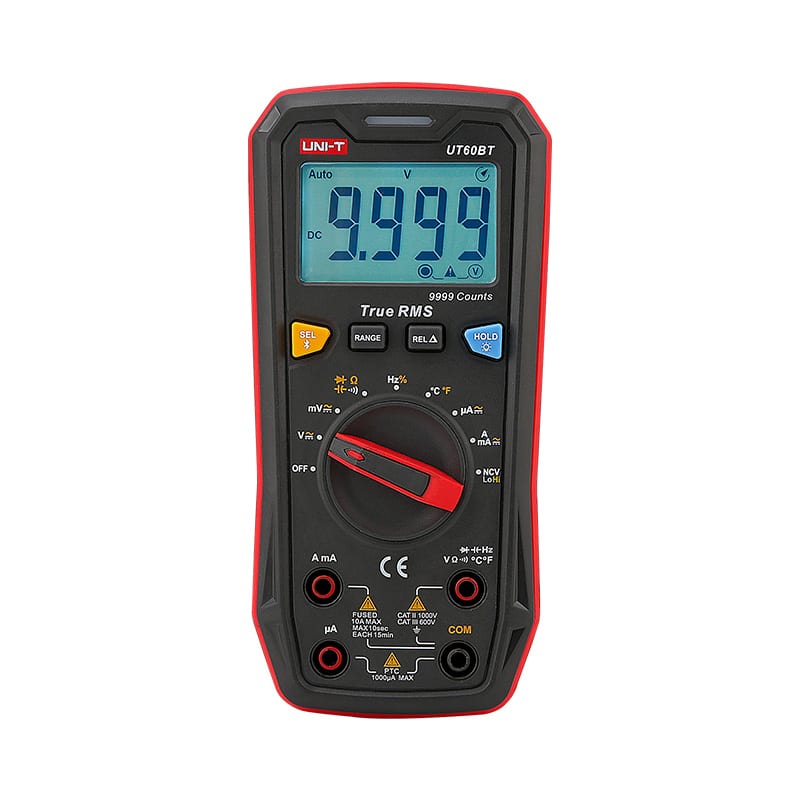
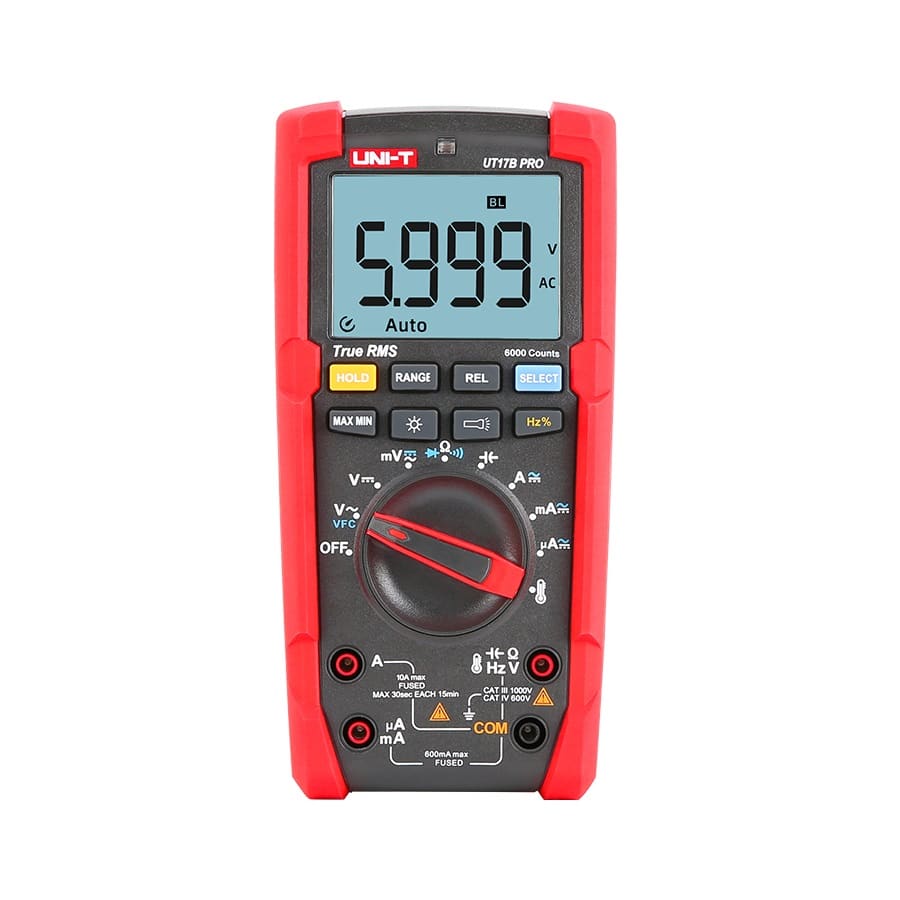
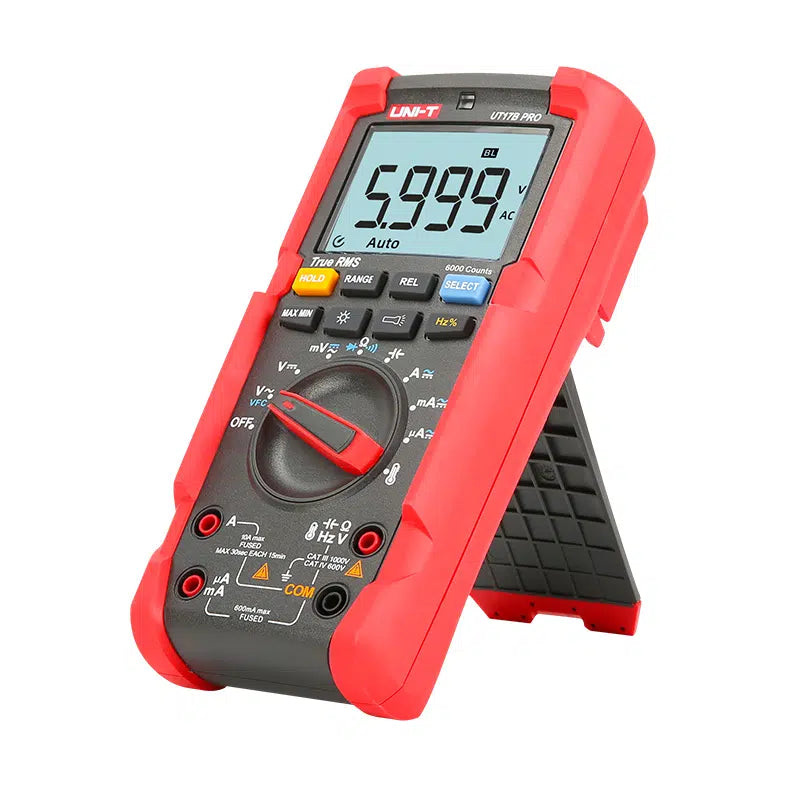
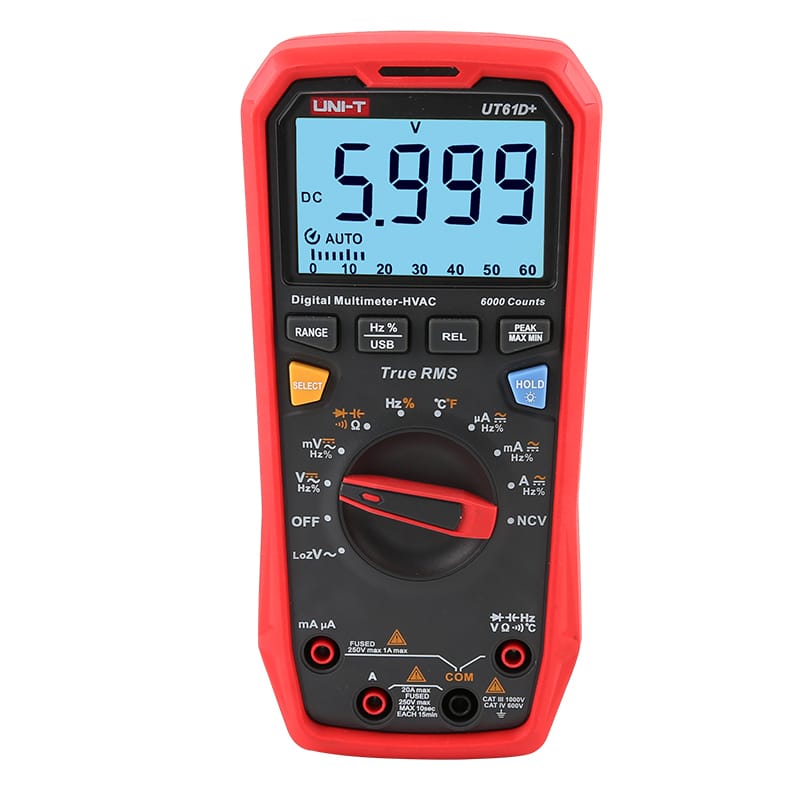
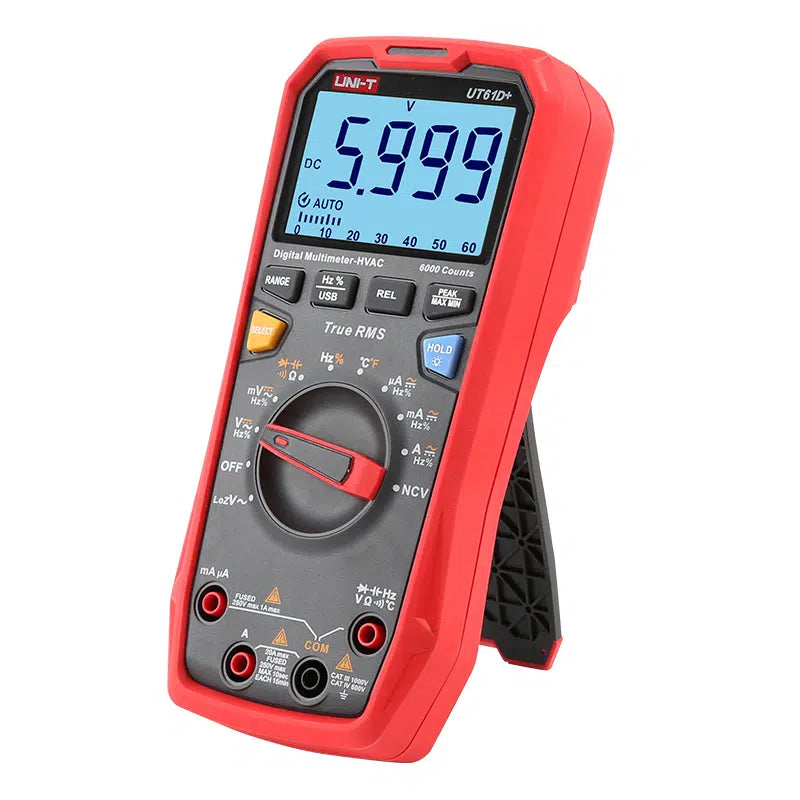
- Digital multimeters with True RMS, capacitance and frequency – perfect for modern inverter systems and electronic controls.
- Industrial multimeters with IP-rated housings, CAT III / CAT IV safety ratings and wide bandwidth for motors, drives and plant equipment.
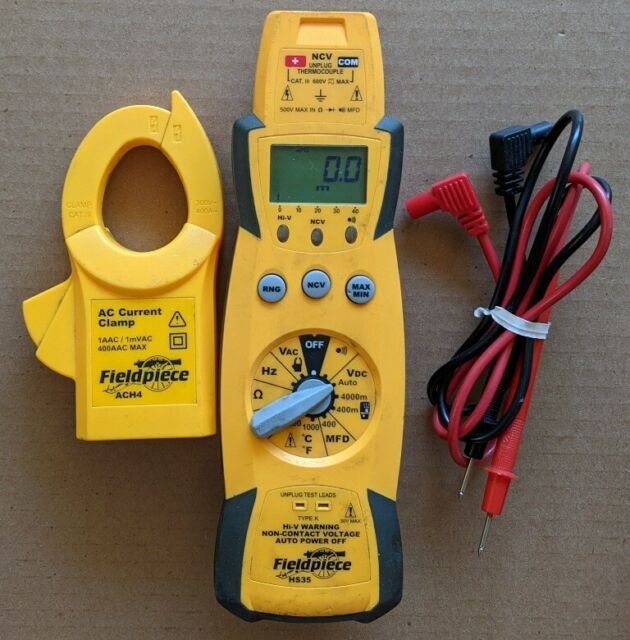
- Expandable stick meters and kits that pair with clamp heads and accessory probes for faster field diagnostics.
Each product card shows the key specs, ranges and safety category so you can match the meter to your job and compliance requirements.
Featured HVAC multimeters
Some popular options many Aussie tradies gravitate toward in this collection include:
Fieldpiece LT16A – True RMS Multimeter with Phase Rotation
The Fieldpiece LT16A multimeter is built for real HVAC&R work – True RMS accuracy, phase rotation testing and compatibility with Fieldpiece accessory heads for temperature, airflow and more. Add a clamp head and you can check current without breaking the circuit, making it a great partner to our wider Fieldpiece HVAC tools range.
Fieldpiece LT83A – Classic HVAC Multimeter
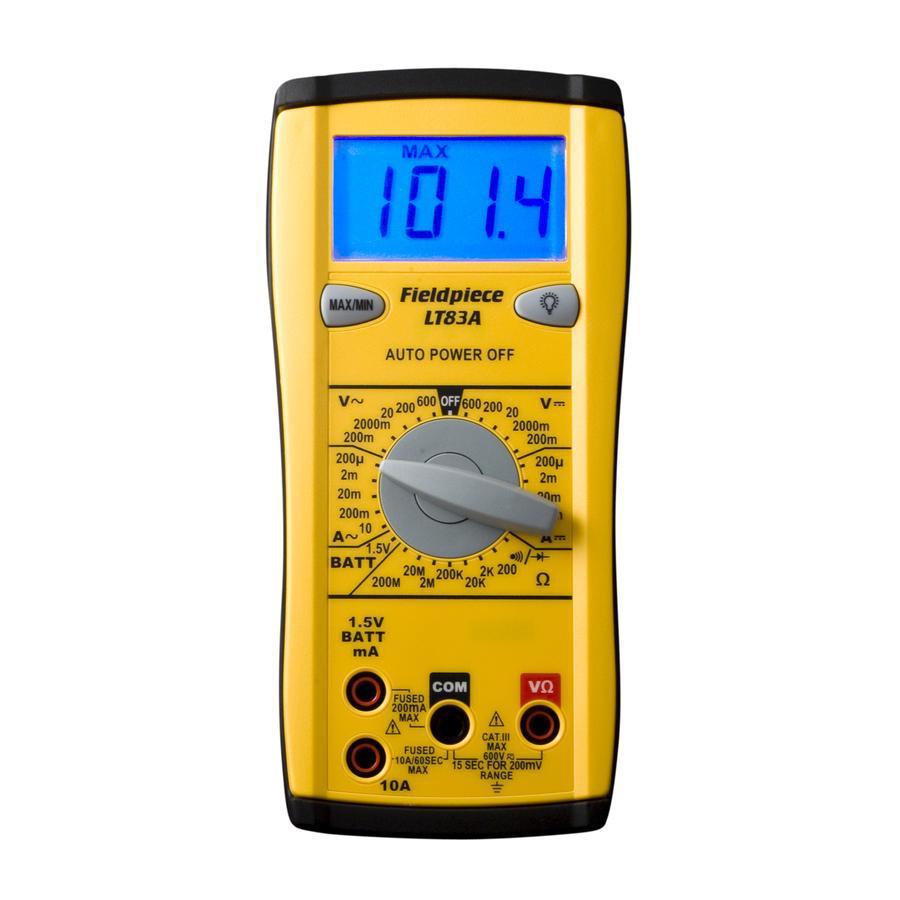
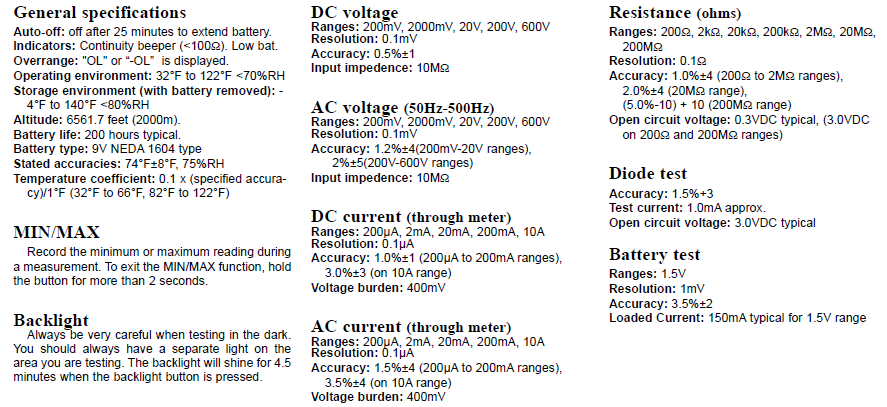
Prefer manual ranging and a simple, tough meter? The Fieldpiece LT83A Classic Multimeter covers the core HVAC electrical parameters, offers microamps for flame rectification, and includes a rugged ABS housing with magnetic hanger – ideal for installs and servicing in plantrooms, rooftops and tight ceiling spaces.
Uni-T UT136C+ – Budget-Friendly Everyday Meter
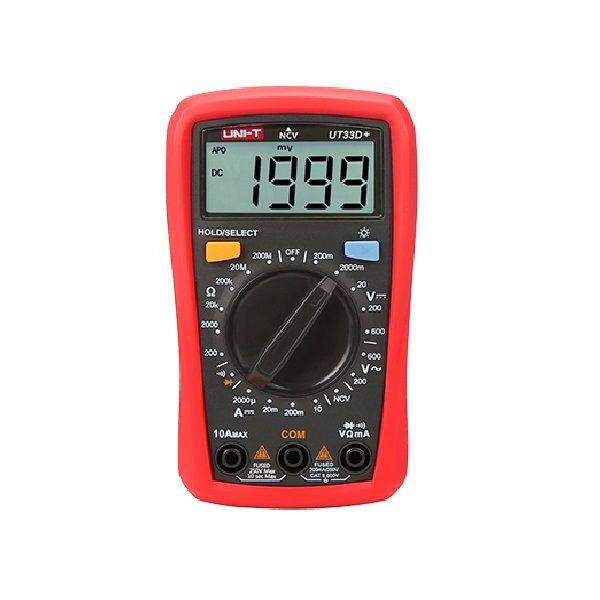
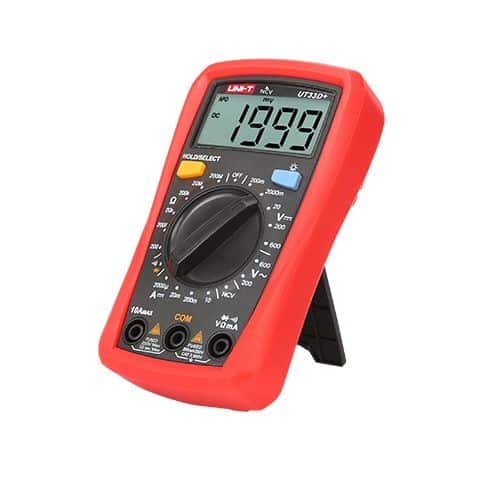
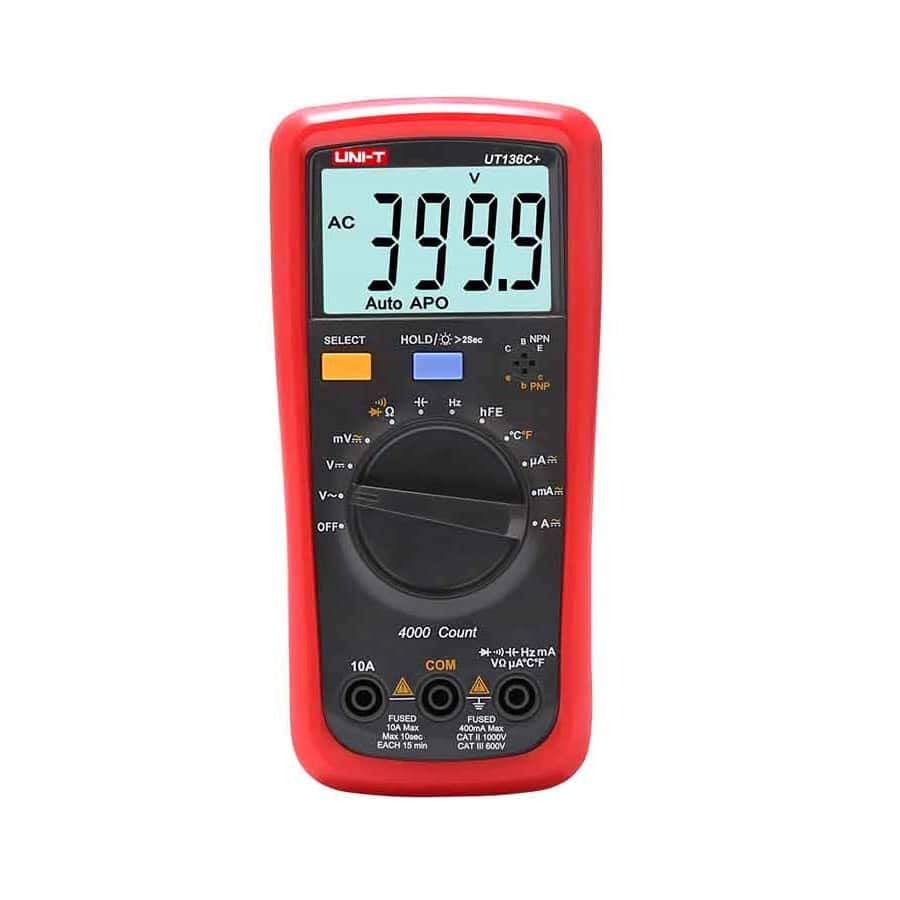
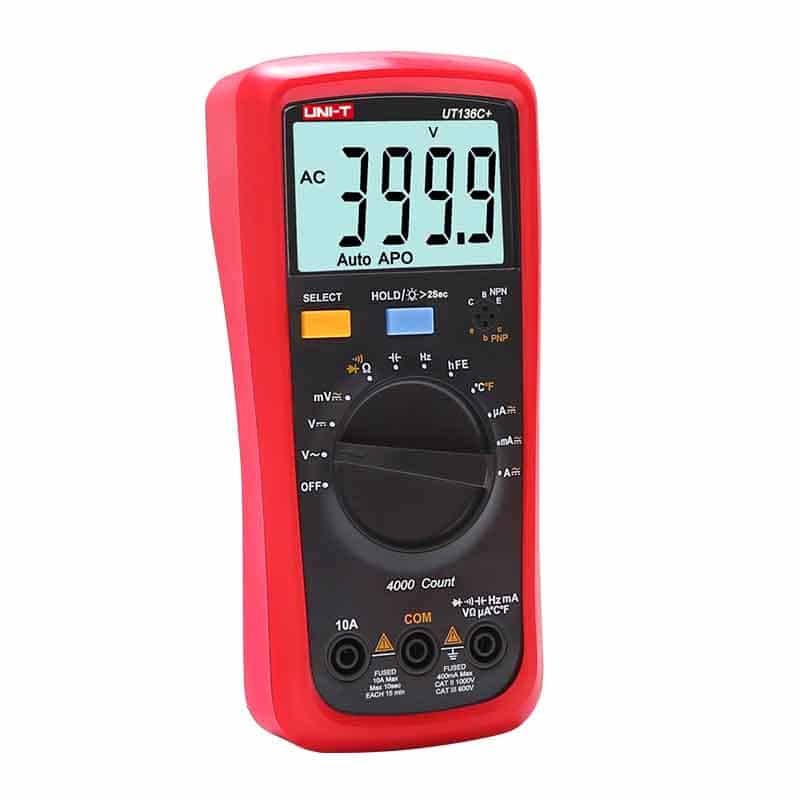
For apprentices, smaller contractors or light commercial work, the Uni-T UT136C+ digital multimeter offers CAT III 600 V safety, capacitance, temperature and a clear 4000-count backlit display. It’s a solid everyday meter that pairs well with our Bluetooth smart tools and refrigerant gauges for a complete diagnostics kit.
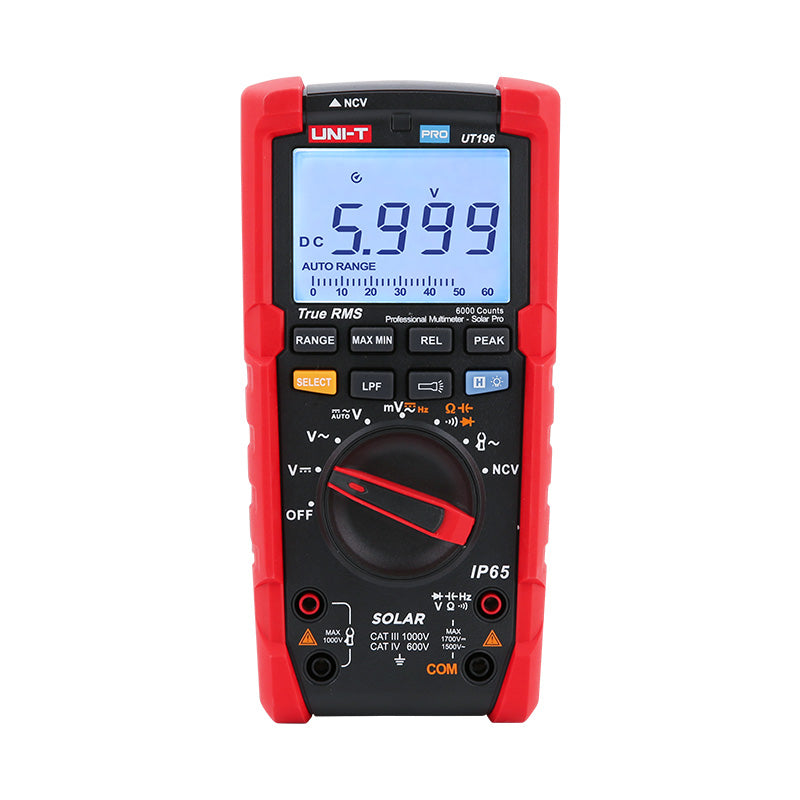
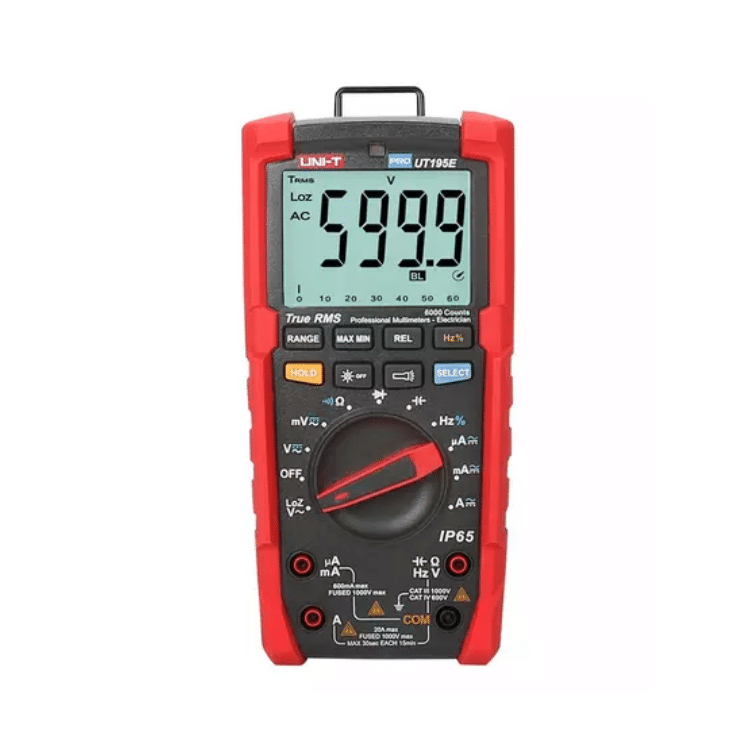
Uni-T UT195E – Industrial CAT III / CAT IV Multimeter
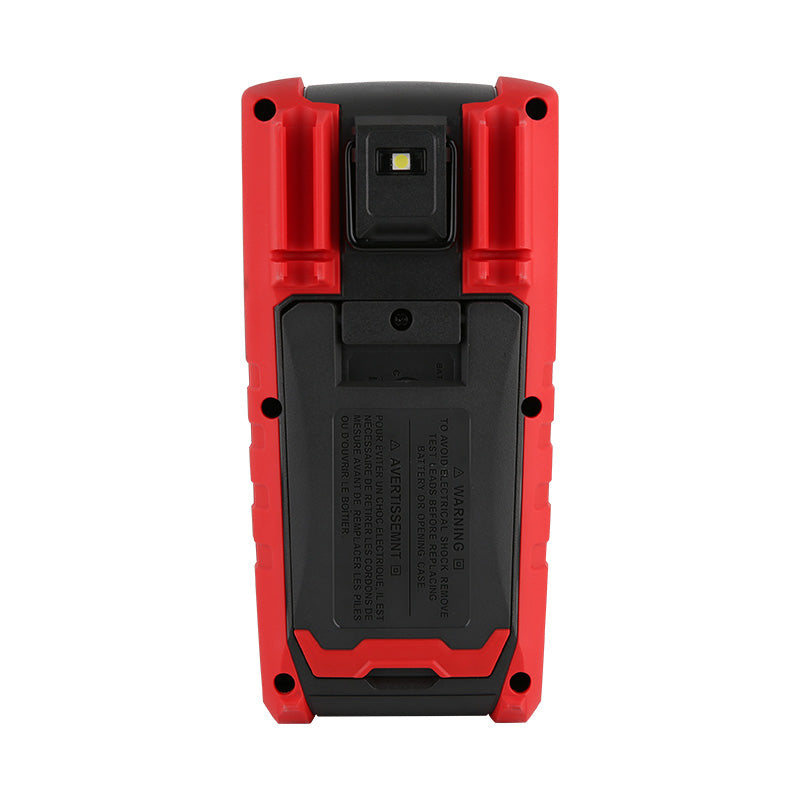
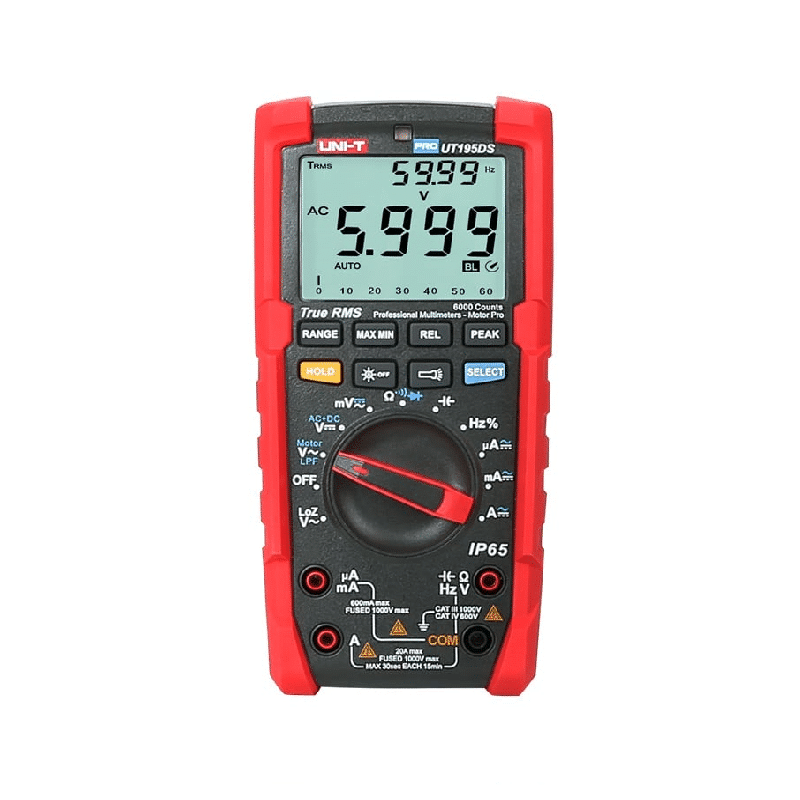
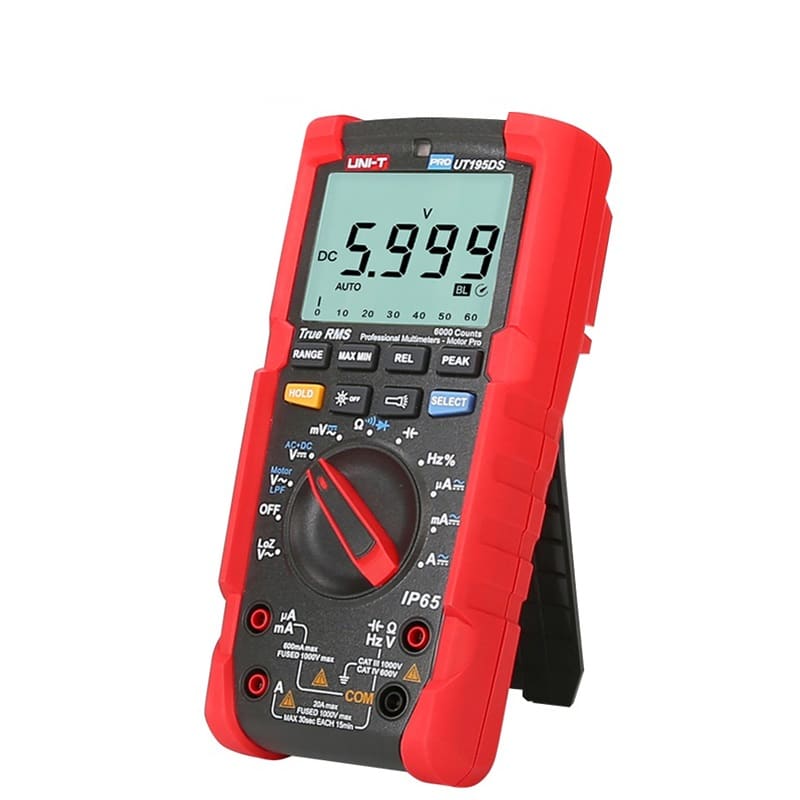
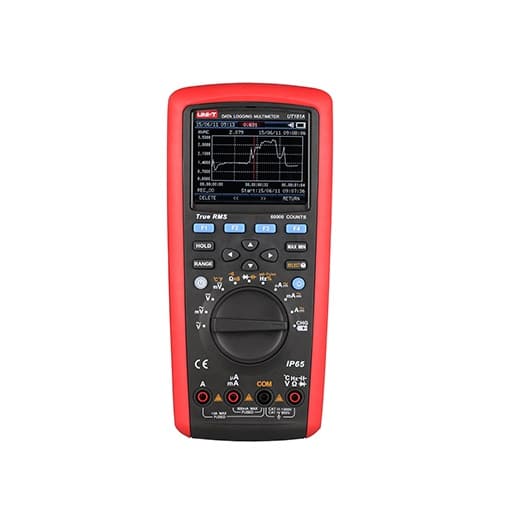
Need something tougher for industrial plants or larger commercial sites? The Uni-T UT195E Professional Multimeter brings IP65 protection, 2 m drop resistance, True RMS measurement and a CAT III 1000 V / CAT IV 600 V rating – a strong option for motor drives, switchboards and harsh environments.
Fieldpiece HS36 – Expandable True RMS Stick Meter Kit
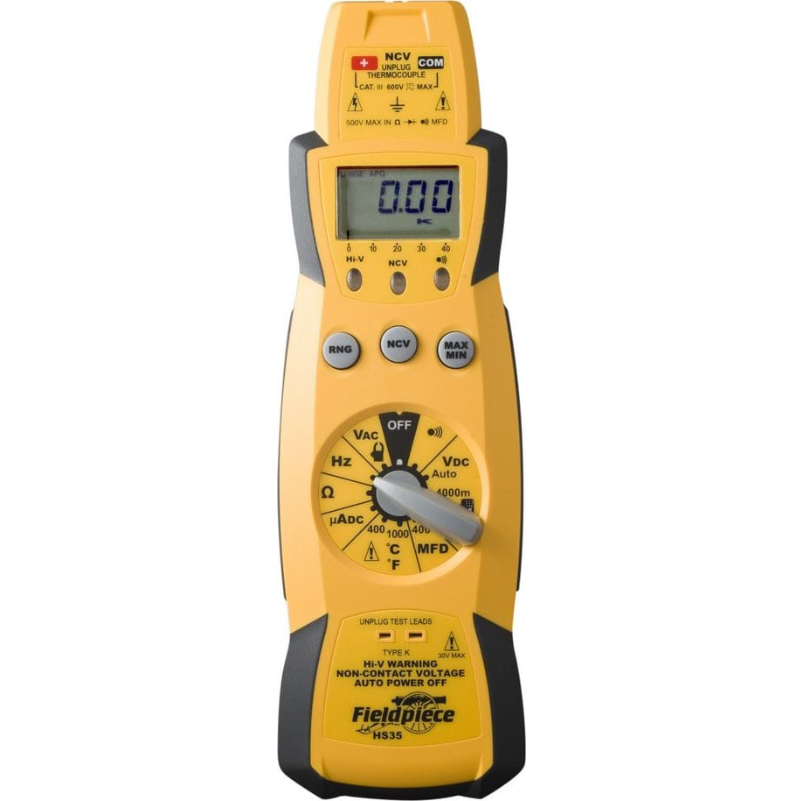
The Fieldpiece HS36 expandable multimeter kit is a favourite among HVAC techs who want a stick meter with clamp, microamps, capacitance, temperature and non-contact voltage in one compact unit. It works seamlessly with other Fieldpiece accessory heads, reducing the number of separate instruments you need to carry.
How to choose the right multimeter for HVAC work
When you’re choosing a multimeter for HVAC or refrigeration work in Australia, it’s worth considering:
- Safety category (CAT rating) – For most HVAC and light commercial electrical work, a meter with at least CAT III 600 V is commonly used, with many industrial environments preferring CAT III 1000 V or CAT IV 600 V. Look for meters designed to AS 61010-based standards and check the safety marking on the meter and leads.
- True RMS vs average-responding – True RMS meters give more reliable readings on modern equipment such as variable speed drives and switch-mode power supplies, reducing misdiagnosis.
- HVAC-focused ranges – Temperature (with K-type probe), capacitance, frequency and microamps for flame sensors are very handy for split systems, ducted systems and gas appliances.
- Ruggedness & IP rating – Rubber boots, IP ratings and drop protection help your meter survive ladders, roof spaces and plant decks.
- Display & ergonomics – Backlit screens, analog bar graphs and magnetic hangers make life easier in dark plantrooms and tight switchboards.
Safety, licensing and compliance in Australia
Multimeters are powerful tools, but they must be used safely. In Australia, electrical safety regulators and Safe Work guidance emphasise that testing energised equipment is considered energised electrical work and should only be carried out by competent persons following a risk assessment and safe work method. Many codes refer to the principle of “Test for dead before you touch” – test your meter on a known source, test the circuit, then re-test your meter again.
For workplaces, inspection and testing of electrical equipment is typically carried out under the AS/NZS 3760 in-service inspection and testing standard and related state or territory regulations. If you’re unsure what applies to your site, speak with your WHS advisor or a licensed electrician.
Helpful public resources on electrical safety include:
- Safe Work Australia – Electrical safety duties
- SafeWork NSW – Electrical inspection and testing
- energy.gov.au – Metering and monitoring equipment
- WorkSafe QLD – Testing and tagging electrical equipment
- CHOICE – Independent product safety and electrical compliance advice
Always follow your local licensing rules: fixed wiring and switchboard work must be done by a licensed electrician, and refrigeration work on most systems requires a licensed HVAC&R technician.
Related HVAC testing tools
To build out a complete diagnostics kit, you may also want to explore:
- Electrical testing tools – voltage testers, insulation testers and more.
- Fieldpiece HVAC tools – manifolds, clamp meters, Job Link probes and accessories.
- Testo instruments – digital manifolds, IAQ meters and thermometers that pair well with multimeters.
- Inspection cameras – to visually inspect ductwork, risers and plant spaces along with your electrical checks.
- Blog: Use an HVAC digital multimeter to check your unit anytime and Analog vs digital multimeter – key differences for extra training and tips.
HVAC Multimeters – Frequently Asked Questions
What makes an HVAC multimeter different from a basic multimeter?
HVAC multimeters are designed around air conditioning, refrigeration and gas appliance work. They typically add:
- Temperature measurement with a K-type probe for checking discharge air and component temperatures.
- Microamp ranges for testing flame rectification circuits on gas heaters and boilers.
- Capacitance to check start and run capacitors on fan motors and compressors.
- True RMS measurement for more accurate readings on modern inverter and electronic controls.
A basic DIY meter may be fine for low-risk checks like batteries, but for real HVAC work a dedicated HVAC multimeter is a better fit.
Can homeowners safely use these multimeters?
Homeowners can often use a multimeter for simple, low-risk tasks such as checking battery voltage or confirming power at appliance plugs, provided they carefully follow the instructions and stay away from live switchboards and fixed wiring.
In Australia, work on fixed wiring, switchboards and new circuits must be carried out by a licensed electrician, and refrigeration work on most systems must be done by a licensed HVAC&R technician. If you are unsure whether a job is DIY-safe, treat it as licensed work and call a qualified tradie.
What safety rating should I look for in a multimeter for HVAC work?
Many technicians choose meters rated at least CAT III 600 V for typical HVAC work, with CAT III 1000 V or CAT IV 600 V preferred in industrial or higher-risk environments. Look for:
- Clear CAT rating markings on the meter and test leads.
- Compliance with AS 61010-based safety standards.
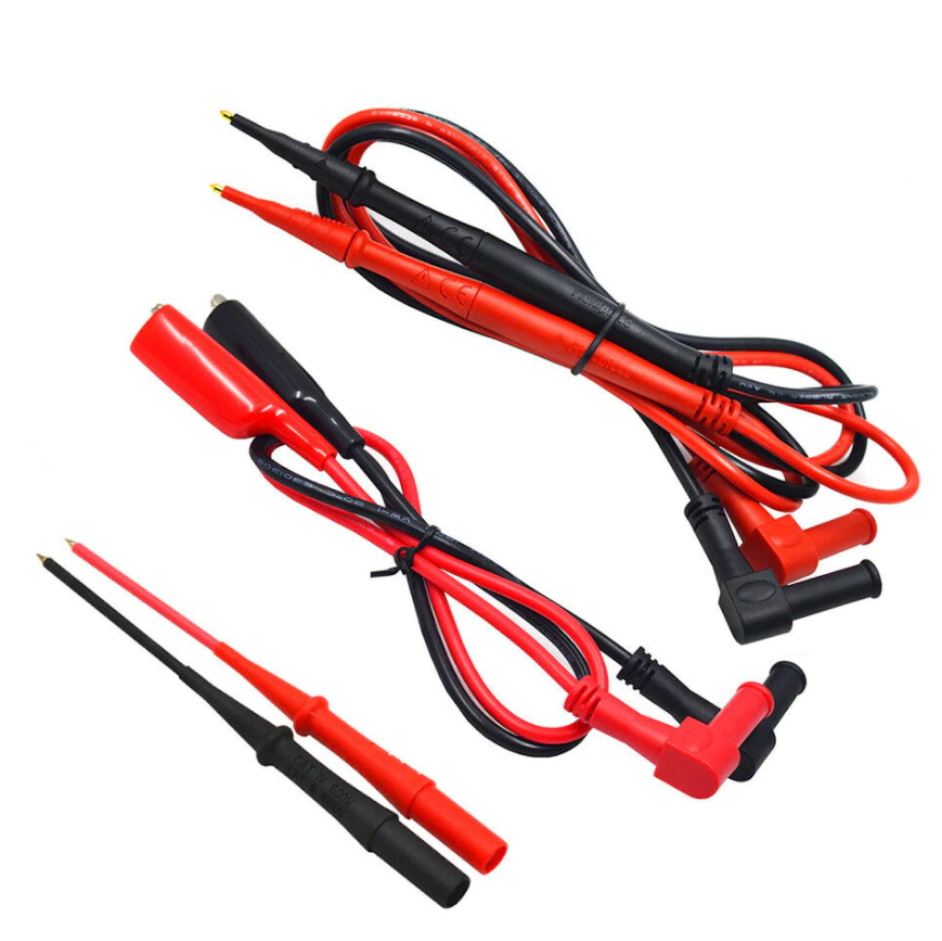
- Leads with intact insulation and shrouded plugs.
When in doubt, follow your employer’s electrical safety procedures or ask your site’s WHS advisor.
Do I really need a True RMS multimeter for air conditioning work?
For many traditional resistive loads, an average-responding meter may be technically adequate. However, once you’re working with:
- Inverter air conditioners and variable speed drives,
- Electronic power supplies and controls,
- Mixed inductive and non-linear loads on the same circuit,
a True RMS multimeter gives more accurate readings and reduces the risk of chasing “phantom” problems caused by distorted waveforms. That’s why most modern HVAC-R multimeters in this collection are True RMS.
How do I check my multimeter is working properly before use?
Follow your meter’s manual and your company procedures, but a common approach is:
- Visually inspect the meter, leads and probes for cracks, burnt spots or exposed conductors.
- Set the meter to the correct function and range.
- Test on a known live or known source (for example, a known good outlet) to confirm the meter responds.
- Test the circuit or equipment you’re working on.
- Re-test on the known source again to confirm the meter still reads correctly ("test before, test after").
If the meter or leads look damaged, or the readings don’t make sense, stop work and replace or have the instrument checked before continuing.
Trust & Compliance
Author: HVAC Content Specialist – HVACShop.com.au
Technical review: Licensed Refrigeration & Air Conditioning Technician (ARCtick licence placeholder)
Business details: HVACShop.com.au • ABN 98 351 143 900 • Phone: 0412 333 115 • Email: hvacshop.com.au@gmail.com
How this page was created
This collection description is based on manufacturer specifications for the multimeters sold on HVACShop.com.au, Australian workplace electrical safety guidance, and recognised standards for in-service testing of electrical equipment. It is written in plain Australian English for HVAC technicians, electricians, apprentices and facilities teams.
The content follows Google’s Helpful Content and E-E-A-T principles and Google Search Central best practices. All links are added editorially for user value and follow Google’s link guidelines, avoiding link schemes or manipulative SEO.
External authority references
- energy.gov.au – Australian Government energy and equipment guidance
- Safe Work Australia – model WHS laws and electrical safety information
- CHOICE – independent Australian consumer advocacy and product safety information
- Standards Australia – information on AS/NZS standards such as AS/NZS 3760
Last updated: 2025-12-03 AEST